#4 – 20133 102nd Avenue, Langley, B.C. V1M 4B4 Canada
#4 – 20133 102nd Avenue, Langley, B.C. V1M 4B4 Canada
In today's fast-paced Tech landscape, the need for swift and efficient product development has become more critical than ever. Rapid prototyping has emerged as a pivotal approach within agile development methodologies, revolutionizing how teams translate innovative ideas into tangible products. According to the latest industry reports, organizations that implement rapid prototyping can reduce product development cycles by up to 50%, enhancing time-to-market significantly. This efficiency not only enables businesses to respond to market demands more swiftly but also fosters a culture of continuous iteration and improvement.
Furthermore, studies indicate that companies utilizing rapid prototyping methodologies see a 30% increase in customer satisfaction, as early and frequent testing allows for user feedback to directly influence the final product. The emphasis on collaborating with stakeholders during the prototyping phase has been proven to align development efforts with user needs more accurately. As a result, organizations can minimize costly revisions late in the process, ensuring a more streamlined and responsive development cycle. By embracing rapid prototyping, businesses stand to gain a competitive edge, ensuring that they remain adaptable and innovative in an ever-evolving market landscape.

Rapid prototyping has emerged as a pivotal element within the Agile development framework, offering significant advantages that contribute to project success. One of the primary benefits is the ability to refine product concepts rapidly through iterative testing. This approach allows teams to gather immediate feedback on prototypes, leading to faster decision-making processes. According to a 2021 study by the Product Development and Management Association (PDMA), organizations that implement rapid prototyping experience up to a 30% increase in project efficiency, demonstrating a tangible improvement in time-to-market.
Moreover, rapid prototyping fosters enhanced collaboration among cross-functional teams. By visualizing ideas early on, team members—ranging from designers to developers—can align their objectives and expectations more effectively. This is supported by research from the Agile Alliance, which found that teams employing prototyping techniques reported better communication and a 25% reduction in misunderstandings during the development phase.
**Tips:** To maximize the benefits of rapid prototyping, invest in training your team on the latest multimedia prototyping tools. This initial investment can lead to long-term cost savings and superior product development. Additionally, engage end-users in the prototyping process to ensure that the final product aligns closely with their needs. By emphasizing user-centered design from the outset, teams can significantly enhance user satisfaction upon launch.
Rapid prototyping is a cornerstone of successful agile development, particularly when it comes to enhancing collaboration among team members. By utilizing techniques such as 3D printing, digital mock-ups, and interactive wireframes, teams can quickly create tangible representations of their ideas. This fosters an environment where feedback can be gathered early and often, allowing designers, developers, and stakeholders to engage in meaningful discussions. As a result, communication flows more freely, minimizing misunderstandings and ensuring everyone is aligned on the project's objectives.
Moreover, rapid prototyping facilitates iterative work processes, where teams can test and refine their concepts in real time. This agile approach leads to a culture of experimentation and innovation, as team members are encouraged to express their ideas and provide input on the prototypes. By involving all relevant parties early in the design process, the risk of costly late-stage changes is significantly reduced. Consequently, the final product is not only more user-centric but also reflects a collective vision that incorporates diverse perspectives, ultimately contributing to the overall success of the development endeavor.
This chart illustrates the top benefits of rapid prototyping in the context of agile development, highlighting key areas where teams can improve collaboration and efficiency.
Rapid prototyping serves as a cornerstone for agile development, significantly enhancing the feedback loops crucial for product refinement. In a fast-paced development environment, obtaining timely and actionable feedback is essential for steering projects in the right direction. Rapid prototyping allows teams to create tangible models of their concepts quickly, facilitating early testing and validation of designs. By presenting stakeholders with a physical representation of the product, teams can gather insights and reactions that would otherwise be challenging to capture in traditional methods. This iterative approach not only accelerates development cycles but also ensures that potential issues are identified and addressed early on.
Moreover, the integration of rapid prototyping fosters a culture of collaboration and innovation within teams. When stakeholders, including developers, designers, and end-users, have the opportunity to interact with prototypes, they are more likely to engage in constructive discussions about functionality and usability. This collaborative environment nurtures a greater sense of ownership and alignment, enabling teams to iterate more effectively based on direct input. Consequently, the accelerated feedback loops lead to more informed decision-making, as the end product evolves in response to real user needs and preferences, ultimately driving successful outcomes in agile development.
| Benefit | Description | Impact on Development |
|---|---|---|
| Faster Feedback | Allows for quick iterations based on user feedback. | Increases the chance of user satisfaction. |
| Cost Efficiency | Reduces the resources spent on late-stage changes. | Ensures projects stay within budget. |
| Enhanced Collaboration | Facilitates better teamwork and communication. | Improves team dynamics and output. |
| Improved User-Centric Design | Emphasizes user needs throughout the development process. | Leads to more relevant product features. |
| Risk Mitigation | Identifies potential issues early in the design. | Reduces the risk of project failure. |
| Time Efficiency | Expedites the development timeline through faster iterations. | Accelerates the overall project completion. |
| Better Quality Assurance | Enables continuous testing and feedback. | Results in a more polished final product. |
| Clearer Vision | Helps stakeholders visualize the product. | Aligns team goals and expectations. |
| Scalability | Facilitates easier adjustments for larger projects. | Supports expansion into more complex areas. |
| Innovation Boost | Encourages creative solutions and experimentation. | Enhances the potential for breakthrough ideas. |
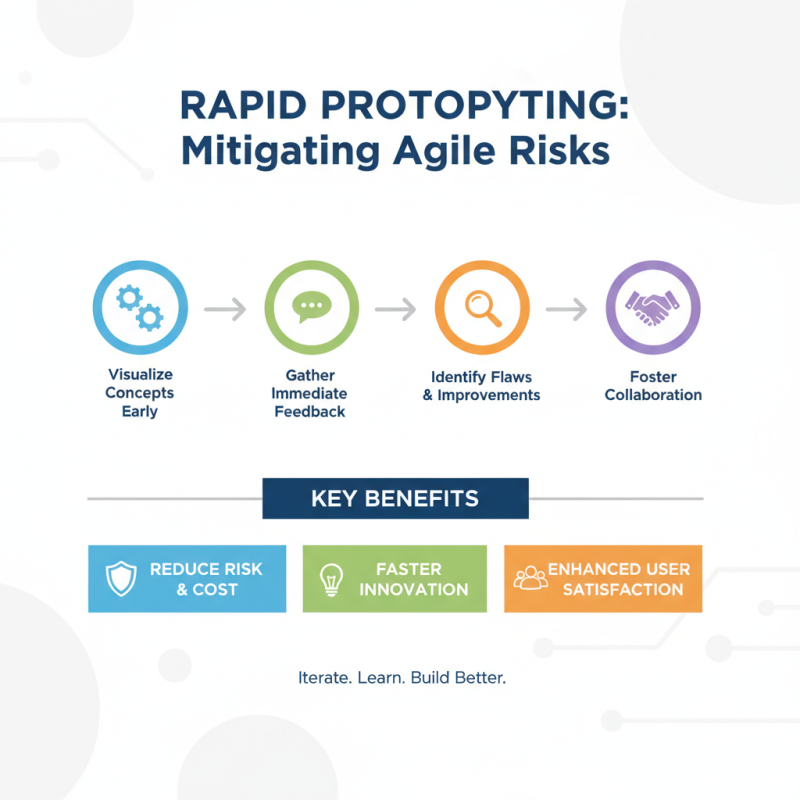
Rapid prototyping plays a crucial role in mitigating risks during the agile development process. By creating tangible representations of ideas, teams can visualize concepts early on, allowing for immediate feedback from stakeholders and potential users. This iterative process not only highlights flaws and areas for improvement but also fosters collaboration, ensuring that different perspectives are integrated into the product from the outset. When team members and clients can interact with a prototype, misunderstandings can be caught and corrected before resources are heavily invested in development.
Moreover, effective rapid prototyping strategies empower teams to test hypotheses and validate assumptions quickly. This approach reduces uncertainty by enabling real-world testing scenarios that reveal how a product will perform in practice. By iterating on designs based on user interaction and feedback, teams can pivot or refine their development path, significantly lowering the risk of project failure. The ability to adapt swiftly to changing requirements or unexpected challenges is a hallmark of successful agile environments, making rapid prototyping an essential tool for minimizing risks and enhancing the overall development process.

Rapid prototyping is a game-changer in agile development, particularly when it comes to cost-effectiveness. By creating quick and tangible models of a product, teams can reduce the time and resources spent on lengthy planning phases. This approach allows for early detection of design flaws, leading to fewer revisions during later stages of the development process. As a result, organizations can allocate their budgets more efficiently and focus financial resources on areas that drive real value, ensuring a higher return on investment.
Tips for maximizing cost-effectiveness in rapid prototyping include prioritizing features that deliver the most user value and leveraging tools that automate feedback collection. This can streamline the prototyping process and ensure that the team is not only developing what’s necessary but doing so in a timely manner. Additionally, involving stakeholders early and often can minimize misunderstandings and reduce costly rework.
Engaging in iterative testing through rapid prototypes allows teams to gather insights without the high expenses associated with full-scale development. By embracing this strategy, organizations can better manage their project budgets and timelines while still meeting user needs effectively. Fostering a culture of open communication and collaboration during the prototyping phase further enhances the likelihood of project success while driving costs down.