#4 – 20133 102nd Avenue, Langley, B.C. V1M 4B4 Canada

#4 – 20133 102nd Avenue, Langley, B.C. V1M 4B4 Canada
Rapid prototyping injection molding has fundamentally transformed product development across various industries. According to a recent report by Smith Partners Research, companies that adopt rapid prototyping techniques reduce their time to market by 30% on average. This efficiency allows businesses to respond promptly to market demands. Industry expert Dr. Emily Zhang states, “Rapid prototyping injection molding not only accelerates development but also enhances design precision and reduces material waste.”
Moreover, as technology advances, the benefits of rapid prototyping injection molding continue to grow. The ability to create complex geometries with high accuracy makes it invaluable for product designers. However, challenges do remain. Some practitioners find it hard to manage costs, especially when scaling production. Inadequate preparation can lead to oversights that compromise project timelines. Thus, continuous learning and adaptation are crucial for success.
Incorporating rapid prototyping injection molding is a strategic move for businesses aiming to innovate. Nevertheless, exploring its full potential requires addressing the inherent challenges. Understanding these dynamics is essential for harnessing its advantages effectively.
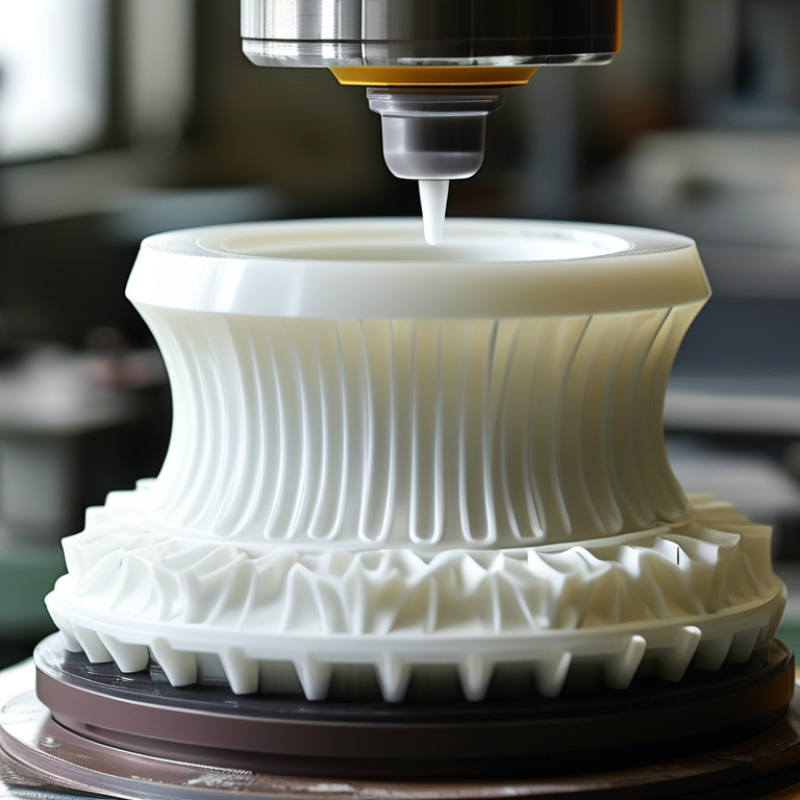
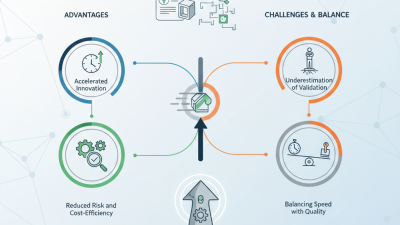
Rapid prototyping injection molding technologies are transforming product development. These methods allow manufacturers to create prototypes quickly. Traditional methods can take weeks or even months. Rapid prototyping can reduce this to just days. This speed accelerates innovation and allows for faster iterations.
According to a report by MarketsandMarkets, the rapid prototyping market is expected to reach $1.3 billion by 2026, reflecting a compound annual growth rate (CAGR) of 27.5%. This growth indicates that companies recognize the benefits of faster production cycles. Moreover, the technology minimizes waste, as only necessary materials are used during the prototyping phase, aligning with sustainability goals.
However, challenges persist. Not every design translates seamlessly from prototype to production. Some intricacies can be lost in translation, leading to potential adjustments. Furthermore, initial costs for rapid prototyping technologies may deter smaller companies, despite long-term savings. Balancing speed and quality remains a critical reflection point for manufacturers.
| Benefit | Description | Application | Material Options |
|---|---|---|---|
| Speed | Quick turnaround times for prototypes, allowing faster product development. | Consumer electronics, automotive parts | ABS, Nylon |
| Cost-Effectiveness | Lower costs compared to traditional tooling, especially for small batch production. | Medical devices, prototypes for testing | Polycarbonate, TPU |
| Design Flexibility | Easier to iterate on designs based on user feedback. | Product design, architectural models | PLA, PETG |
| High Precision | Produces parts with tight tolerances and high detail. | Aerospace components, intricate designs | Metal composites, high-performance plastics |
| Material Variety | Supports various materials to meet different project requirements. | Consumer products, industrial applications | ACRYL, Polypropylene |
Rapid prototyping through injection molding offers significant enhancements in product development. It allows designers and engineers to create functional prototypes quickly. This speed leads to faster testing and iteration cycles. With rapid prototyping, teams can identify design flaws early. This proactive approach reduces costs associated with later-stage revisions.
The immersive experience of rapid prototyping helps refine ideas. Teams can visualize concepts and functionality. This clarity fosters better collaboration across departments. Feedback from stakeholders can be implemented swiftly, encouraging a more dynamic process. Some may overlook the importance of integrating real-world usage in prototypes. Testing under actual conditions provides vital insights that digital simulations cannot replicate.
Incorporating rapid prototyping encourages a culture of innovation. It empowers teams to explore multiple design variations without significant investment. However, the reliance on prototypes can also lead to overconfidence in early designs. Continuous evaluation is necessary to ensure prototypes align with end-user needs. Embracing imperfection in the prototyping phase can lead to more successful final products. Ultimately, rapid prototyping cultivates a flexible mindset vital for modern product development.
Rapid prototyping injection molding offers a cost-effective solution for businesses. This method significantly reduces the lead time for producing high-quality prototypes. According to industry reports, companies can cut development time by up to 75%. This accelerates product timelines and ultimately boosts market competitiveness. Reduced material waste during molding also contributes to lower overall costs, making projects more financially feasible.
Minimal upfront investment is another advantage. Rapid prototyping allows businesses to test designs with lower financial risk. The cost savings can be substantial, especially for startups or smaller companies that may lack funding. Using advanced technologies, such as 3D printing for initial mold fabrication, can lead to even greater efficiencies. Some reports indicate potential for up to 30% savings compared to traditional methods.
To maximize the benefits of rapid prototyping, focus on clear communication with your manufacturing team. Establish goals and expectations from the start. Regular check-ins can help identify potential issues early on. Don’t hesitate to revise designs based on initial feedback. Gathering insights from testers can lead to improved outcomes. This iterative process ensures ongoing refinement and adaptation, essential for product development success.
Rapid prototyping injection molding offers significant advantages, particularly in terms of time efficiency and speed. According to industry reports, traditional molding can take weeks to months. In contrast, rapid prototyping reduces this timeline to just a few days. This acceleration allows companies to test and refine their designs quickly, responding to market needs with agility. Rapid prototyping enables manufacturers to iterate designs without extensive downtime, making it ideal for competitive industries.
The fast turnaround time doesn’t come without challenges. Molds may not last as long as traditional ones, resulting in higher costs per unit for lower volume production. Accuracy can also be an issue; some prototypes may not perfectly reflect final designs. It's essential to weigh these considerations against the benefits of speed. Establishing clear goals for each project can mitigate these risks.
When engaging in rapid prototyping, maintaining clear communication with your team is crucial. Organizing regular updates ensures everyone aligns with project expectations. Additionally, keep a close eye on material costs. Rapid prototyping may save time, but material selection can make or break your budget. Adopting a proactive mindset towards these potential pitfalls can lead to more successful outcomes.
Rapid prototyping injection molding significantly enhances design flexibility and fosters innovation. This process allows manufacturers to create prototypes quickly, enabling rapid iterations. In fact, studies show that companies utilizing rapid prototyping can reduce development time by up to 40%. This speed is crucial in today’s competitive landscape.
With rapid prototyping, design teams can experiment with multiple concepts. They can modify designs based on testing feedback. This iterative approach minimizes the risk of costly changes later in production. A report from the American Society of Mechanical Engineers highlighted that 70% of surveyed engineers reported increased creativity in their projects when using rapid prototyping techniques.
However, despite its advantages, challenges exist. The initial setup costs can be high, and not all materials are suitable for rapid prototyping. Quality control still requires careful thought. Over-reliance on this method could lead to overlooking traditional processes that serve certain projects better. Thus, integrating rapid prototyping with established methods remains essential for optimal results.