#4 – 20133 102nd Avenue, Langley, B.C. V1M 4B4 Canada

#4 – 20133 102nd Avenue, Langley, B.C. V1M 4B4 Canada
Warehouse Metal Doors offer a unique combination of durability and security. They are designed to withstand heavy use and adverse conditions. Many facilities benefit from these robust structures every day.
Using warehouse metal doors can enhance your facility's safety. They resist impact and provide formidable protection against intruders. Moreover, their sturdy design can help reduce maintenance costs over time. It's important to recognize that not every door type offers the same level of security or longevity.
Additionally, these doors can improve energy efficiency. With proper insulation, they help maintain temperature control. This aspect could lower energy bills. However, facilities fail to consider the potential need for upgrades. Without regular assessments, even the best doors may not meet evolving operational demands.
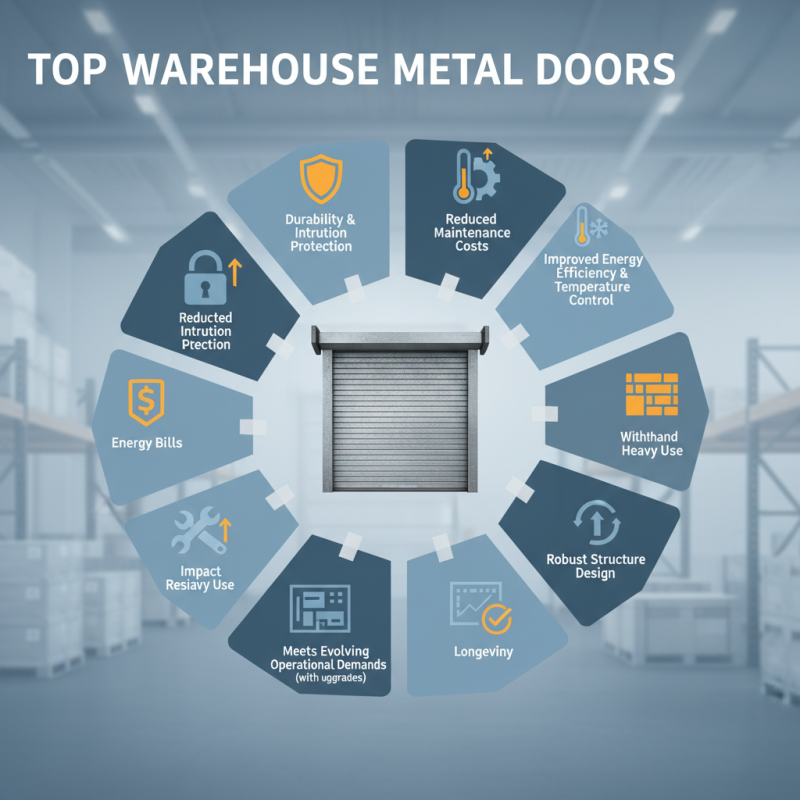
Warehouse metal doors provide robust solutions for various facility needs. These doors are designed for durability. Unlike traditional wooden doors, metal doors resist wear and tear. They stand up well against harsh weather conditions. This longevity reduces overall maintenance costs. A sturdy door keeps intruders out, enhancing security.
Another advantage is thermal efficiency. Insulated metal doors help regulate temperature. This is beneficial for temperature-sensitive items. Metal doors can also be customized. Various sizes and finishes cater to different aesthetics. They can be painted or treated to fit your facility's design. Many warehouse managers find that metal doors require minimal repairs. This can save time and resources in the long run.
However, it's essential to consider installation complexity. Metal doors may require professional fitting, which can add to costs. If not properly installed, they might misalign. This can lead to operational issues. Additionally, the initial expense of metal doors may be higher than wooden ones. Balancing these factors is crucial. The strength and longevity they provide, however, are often worth the investment.
Metal doors are increasingly favored for warehouses, mainly due to their enhanced security features. A recent report indicates that facilities with metal doors experience a 35% reduction in break-ins compared to those with wooden doors. The robust materials withstand tampering and potential intrusions. The durability of metal doors also means they resist weather conditions, further protecting the facility's contents.
Security is a priority for any warehouse. Metal doors often include advanced locking systems. For instance, multi-point locking mechanisms provide additional security layers. This design discourages unauthorized access. Data from industry studies shows that warehouses investing in these features report higher employee confidence regarding safety. However, it is essential to note that while metal doors are sturdier, they are not entirely impenetrable. Regular assessments and maintenance of the door hardware are necessary to ensure optimal performance.
Moreover, the installation of metal doors can create an initial investment challenge. Budget constraints may lead some facilities to overlook these critical security upgrades. However, the long-term benefits often outweigh the upfront costs. By prioritizing robust security measures like metal doors, warehouses can significantly enhance safety and deter criminal activity.
Metal doors are increasingly popular in industrial facilities due to their durability and longevity. Studies show that metal doors can last up to 30 years with proper care. This lifespan significantly outweighs that of traditional wooden doors, which often require more frequent replacement. Metal doors resist warping, cracking, and pest infestations, making them ideal for tough environments.
In addition to durability, metal doors offer superior security features. Many are designed to withstand impact and are less prone to break-ins. According to industry reports, facilities using metal doors experience fewer security breaches. This ultimately saves costs related to theft and damage.
*Tips:* Regular maintenance is key. Inspect hinges and locks routinely. This can extend the life of your metal doors. Additionally, choosing the right finish can protect against corrosion in humid environments.
Lastly, consider the environmental impact. Metal doors are often recyclable. This makes them a more sustainable choice compared to their wooden counterparts. With evolving industry standards, embracing metal doors is not just smart; it's necessary. Look closely at your facility's needs. Reflect on how your choices today can influence your operations tomorrow.
When considering the energy efficiency of metal warehouse doors, insulation is a primary factor. Metal doors can effectively reduce heat loss during colder months. A well-insulated door can save up to 30% on heating costs, according to the Department of Energy. This translates to significant cost savings over time for businesses.
Metal doors often come with advanced insulation materials. These materials enhance thermal performance. A strong thermal barrier aids in maintaining consistent temperatures inside your facility. Many businesses notice a drop in energy bills after switching to insulated metal doors. It’s essential to conduct regular maintenance, as wear can impact insulation effectiveness.
Tips for maximizing energy efficiency include checking for gaps around the door. Even minor leaks can lead to energy loss. Regularly inspect seals and weather stripping. Upgrading to metal doors not only improves energy efficiency but also provides durability. Consistency is key; prioritize regular assessments of your doors to maintain performance.
When considering cost-effectiveness in facility management, metal doors stand out. Research shows that metal doors can significantly reduce maintenance costs. They are more durable than wood or fiberglass. This durability directly translates to fewer replacements over time. In fact, a study by the Door & Access Systems Manufacturers Association indicates that metal doors can last up to 30 years with minimal upkeep.
Tips: Regular inspections can enhance the lifespan of your doors. Check for rust and dents. Repairing minor issues early prevents costly replacements later.
Another benefit is energy efficiency. Metal doors can provide excellent insulation, leading to lower heating and cooling costs. According to the U.S. Department of Energy, improving door insulation can reduce energy costs by 10% to 20%. However, not all installations ensure airtight seals. This oversight can lead to wasted energy.
Tips: Consider weatherstripping for added insulation. It can significantly enhance energy efficiency while being a low-cost solution.
Investing in metal doors is a savvy choice for long-term savings. However, improper installation can negate potential benefits. Ensuring that the installation is performed by professionals is crucial.
| Benefit | Description | Long-Term Savings |
|---|---|---|
| Durability | Metal doors withstand harsh weather and heavy use. | Reduced replacement costs over time. |
| Security | Higher resistance to forced entry and vandalism. | Lower insurance premiums due to enhanced security. |
| Energy Efficiency | Insulated options help maintain temperature. | Savings on heating and cooling costs. |
| Low Maintenance | Requires minimal upkeep compared to wood doors. | Decreased maintenance expenses over time. |
| Fire Resistance | Fire-rated doors can prevent fire spread. | Potential savings on fire hazard insurance. |
| Aesthetics | Available in various styles and finishes. | Enhanced property value leads to long-term gains. |
| Versatility | Can be customized for various applications. | Reduced need for multiple door types. |
| Sound Insulation | Metal doors can block noise for quieter interiors. | Improved work environment may enhance productivity. |
| Cost-Effectiveness | Competitive initial pricing and longevity. | Lower overall investment over the door's lifecycle. |