#4 – 20133 102nd Avenue, Langley, B.C. V1M 4B4 Canada

#4 – 20133 102nd Avenue, Langley, B.C. V1M 4B4 Canada
Choosing the best Air Cooling Chiller in China is not simply a brand contest. A chiller that works well in a coastal plant may struggle in a dusty inland workshop. High summer temperatures, restricted installation space, and local service access all affect real-world performance. The right choice starts with the operating conditions, not a catalogue headline.
Because no verified expert interview or source article was supplied, the quotation below is a clearly identified composite perspective, not a real person’s statement. Fictional composite engineer Li Wei puts it this way: “A chiller is only as reliable as its airflow, heat-rejection design, and service plan.” That principle points buyers toward practical checks: cooling capacity at the site’s design temperature, fan noise, condenser-coil cleaning access, compressor protection, and spare-parts availability. Look closely. Small details matter.
This guide compares what buyers should examine when evaluating Chinese Air Cooling Chiller options, from efficiency claims to control systems and after-sales support. It also explains why a low purchase price may not mean lower operating costs. Ask suppliers for test conditions and documented performance data, then compare like with like. No model is best for every factory. And specifications can mislead when the site survey is rushed. A careful shortlist, verified by a qualified HVAC professional, is a better starting point than a confident sales promise.
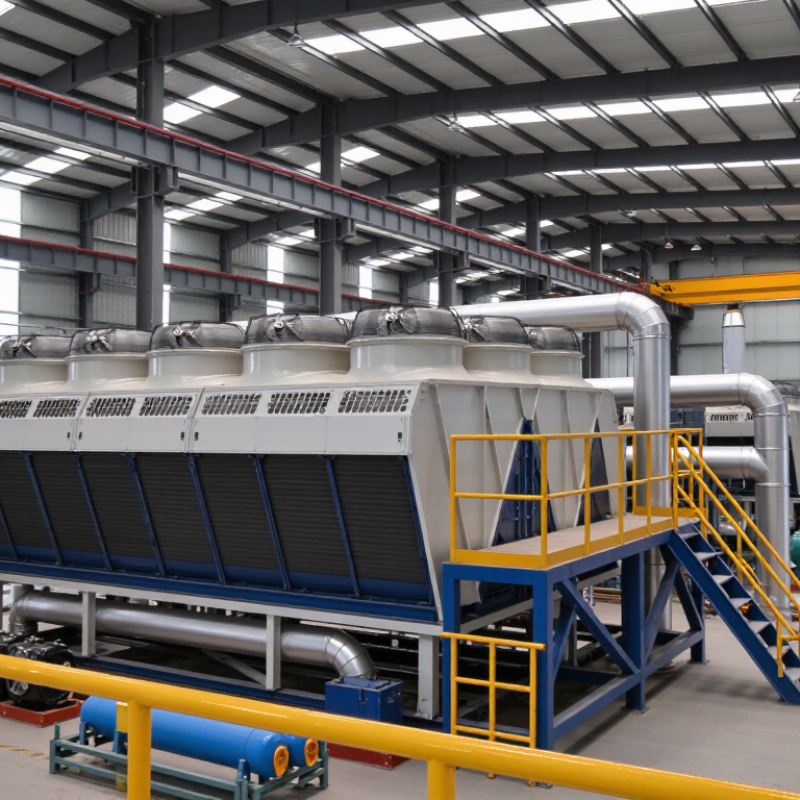
An air-cooled chiller is a machine that removes heat from water and releases it into outdoor air. The cooled water then circulates through pipes to serve equipment or building spaces. Inside the chiller, refrigerant absorbs heat in the evaporator and carries it to the condenser. Fans move outdoor air across condenser coils, helping the refrigerant release that heat. No cooling tower is needed. That can simplify installation, especially where space or water supply is limited.
The design still depends on its surroundings. On a hot afternoon, warm intake air can make heat rejection less effective, so performance may differ from the published rating. Leave clear space around the unit, and check that nearby walls do not trap hot exhaust air. Dust and leaves on the coils can also restrict airflow. They matter more than many expect. When comparing units, consider the required water temperature, cooling load, local summer conditions, and fan and compressor power. A capacity figure alone is not enough. The neat equipment diagram can be misleading; actual performance depends on installation and operating conditions. Regular coil cleaning and basic inspection help keep operation predictable, though maintenance cannot fix poor sizing.
An air-cooled chiller moves heat rather than “creating” cold. A compressor raises refrigerant pressure and temperature, sending hot vapor to the outdoor condenser. Fans pull ambient air across its coils, carrying heat away. The refrigerant then passes through an expansion device, where its pressure and temperature fall. In the evaporator, it absorbs heat from circulating water. That chilled water travels through pipes to air handlers or process equipment, then returns warmer. ASHRAE’s Handbook—HVAC Systems and Equipment describes this vapor-compression cycle as a standard refrigeration arrangement. The sequence is simple; real performance is less tidy.
Outdoor conditions matter. On a hot afternoon, the condenser has less opportunity to reject heat, so the compressor may work harder. Dust-clogged fins or blocked airflow can make things worse. A detail is easy to miss: fan placement and clear space around the unit affect heat rejection. The International Energy Agency’s 2018 report, The Future of Cooling, projects global space-cooling energy demand could reach 6,200 TWh annually by 2050, roughly three times today’s level. That figure covers space cooling broadly, not chillers alone, but it signals why operating efficiency deserves attention. Measurements under actual load are still essential. Catalog ratings cannot tell the whole story.
In China, air-cooled chillers are commonly available in scroll, screw, modular, and heat-pump configurations. The right type depends on cooling load, operating hours, water temperature, and installation space. Scroll units often suit smaller commercial buildings and workshops. They are relatively simple to operate. Screw chillers typically serve larger, steady loads, such as factories or central cooling systems, where efficiency across long operating periods matters.
Modular chillers use several smaller units connected to a shared system. This lets operators add capacity in stages and keep partial cooling available during maintenance. That flexibility is useful, but the controls and piping still need careful design. Air-cooled heat-pump chillers can provide cooling and heating, which may suit buildings with seasonal heating needs. Their heating output can fall in very cold weather, so local winter conditions deserve attention.
Before choosing, compare performance at the site’s actual outdoor temperature, not only at a standard rating point. Check the required chilled-water temperature, noise limits, available service access, and whether glycol is needed for freeze protection. A unit that looks efficient on paper may not fit a dusty factory yard or a tightly packed rooftop. Even experienced buyers can miss this detail. Ask for selection data at the intended conditions, and verify that the quoted capacity matches the real load.
The best air-cooled chiller is not simply the unit with the largest capacity or highest efficiency rating. Match its cooling output to the actual load and the hottest expected outdoor temperature. A model rated at mild conditions may deliver less capacity during a summer heat wave. Check the leaving-water temperature, flow rate, and operating range against your process requirements. A small mismatch can cause unstable operation.
Efficiency matters, but examine performance at part load as well as full load. Many systems spend much of the year below peak demand. Consider fan and compressor power, sound levels, and the space needed for unobstructed airflow. Dusty sites, salty air, and limited service access also affect long-term reliability. A neat specification sheet can still miss the realities of the installation.
Tips: Compare certified performance data at your design conditions. Ask about maintenance access, coil cleaning, and control compatibility. Check the actual site layout. Even experienced buyers can overlook clearance around the unit; it is an easy detail to underestimate.
Buyers should compare Chinese air-cooled chiller manufacturers using the same operating conditions, not headline prices alone. The International Energy Agency’s 2018 report, The Future of Cooling, estimated that cooling used about 10% of global electricity. It projected installed air-conditioner numbers could rise from 1.6 billion to 5.6 billion by 2050. Efficiency matters.
Ask for rated capacity, input power, and efficiency at specified entering and leaving water temperatures and outdoor temperatures. Check whether performance follows AHRI 550/590 or a clearly stated equivalent test method. Compare seasonal or part-load ratings where available, since a chiller rarely runs at full load all day. Request the test report, not just a brochure table. Small differences in test conditions can make ratings look better than they are.
Also assess the details that affect daily operation: ambient-temperature limits, sound levels, controller alarms, coil protection, and parts availability near the installation site. Ask how the manufacturer handles commissioning and warranty claims, and request references for similar climates and loads. Compare service response times in writing. A polished factory tour helps, but it cannot replace field records. I would still verify the figures independently; not every buyer has time to do that.