#4 – 20133 102nd Avenue, Langley, B.C. V1M 4B4 Canada

#4 – 20133 102nd Avenue, Langley, B.C. V1M 4B4 Canada
Choosing a maize mill is not just a matter of buying the largest machine. A Maize Flour Mill Machine must match the grain, desired flour texture, daily production volume, and available power supply. This guide introduces seven machine options for global buyers, from compact mills for small operations to larger systems designed for continuous processing. Small details matter.
The comparison focuses on practical features: cleaning and feeding arrangements, milling method, sieve options, motor power, expected output, and ease of maintenance. A buyer should also consider whether spare parts and technical support are accessible nearby. These details can affect downtime as much as the machine’s rated capacity. Ask suppliers for clear specifications, installation requirements, and sample flour produced from similar maize. No machine is perfect. A stated capacity may not reflect real output when grain moisture, operator skill, or settings change. This guide cannot replace a mill trial, and not every model will suit every business. Still, a careful comparison can help narrow the choices and reveal useful questions before purchase. The best option is the one that fits the buyer’s actual workflow, budget, and service needs—not simply the one with the longest feature list.
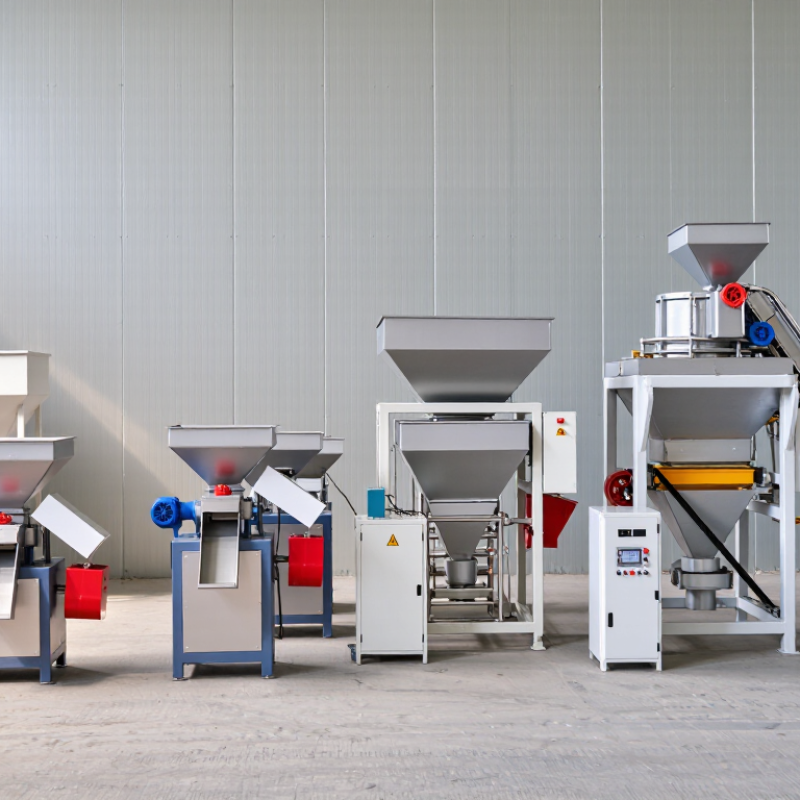
Maize flour milling turns cleaned kernels into flour with a chosen texture, extraction rate, and cooking performance. Equipment choice depends on whether the mill produces whole-grain flour or removes bran and germ. FAOSTAT’s Crops and Livestock Products database records about 1.16 billion tonnes of maize production worldwide in 2022. That scale matters, but local grain quality matters more to an individual mill.
A practical line may include a cleaner, destoner, moisture conditioner, degerminator, mill, and sifter. Cleaners remove stalk fragments and dust; destoners separate dense stones before they damage downstream parts. A hammer mill can suit coarser meal, while roller milling offers more control over particle size. Sieves then separate fine flour from larger particles for another pass. The FAO’s 2017 report, The Future of Food and Agriculture: Trends and Challenges, highlights the importance of reducing food loss across supply chains. Poor cleaning and badly adjusted milling can undermine that goal. Small details matter. A machine’s advertised capacity also deserves scrutiny: grain moisture, screen size, and operator skill can change actual output.
Tips: Ask suppliers for a test run using your own maize. Check flour fineness, extraction rate, power use, and cleaning time—not just tonnes per hour. Keep spare screens and bearings available. One limitation is easy to miss: the best setup on paper may not fit a mill’s water supply, power stability, or maintenance skills.
Maize flour mills serve very different buyers, from village cooperatives to industrial plants. FAOSTAT reports global maize production of about 1.16 billion tonnes in 2022. USDA’s 2024/25 World Agricultural Supply and Demand Estimates put output near 1.2 billion tonnes. These figures show the crop’s scale, not local demand. Small batches matter.
Seven machine choices shape a practical line. A pre-cleaner removes stalks and dust; a destoner separates grit. A dampener prepares kernels for milling, while a degerminator removes the germ and bran. Hammer mills suit flexible, smaller operations. Roller mills offer more controlled particle size for larger output. A plansifter separates flour grades after grinding. Each choice affects labor, maintenance, and flour texture.
Match capacity to actual daily orders, not an optimistic sales forecast. A compact mill can be easier to repair where spare parts are scarce, though it may limit growth. Industrial buyers should check motor load, screen access, dust control, and expected extraction rate with a qualified mill engineer. Ask suppliers for test-milling results using maize similar to your own. Numbers on a brochure can look convincing; real kernels may behave differently.
Representative maize input-throughput ranges for initial capacity planning, from small-scale milling to industrial production.
Ranges are indicative planning estimates, not guaranteed machine ratings. Actual throughput depends on maize condition, target flour fineness, cleaning requirements, and mill configuration.
A maize cleaner removes husks, dust, and broken kernels with screens and airflow. A destoner separates small stones by weight and movement across a vibrating deck. These preparation machines do not make flour, but they help protect milling parts and improve consistency. A dehuller or degerminator removes the outer bran and germ. It produces cleaner, lighter meal, though some fiber and flavor are lost.
A hammer mill uses fast-moving hammers to break kernels against a screen. It makes coarse meal or whole-maize flour, depending on screen size. A roller mill crushes grain between grooved rollers, producing more uniform, fine flour with controlled bran separation. A plate mill grinds kernels between adjustable roughened plates. Its flour may be less even, but the machine can suit smaller operations. A pin mill uses high-speed pins to create fine flour, often for smooth batters. A plansifter separates flour by particle size through stacked mesh screens. Not every setup needs all seven; maize moisture and the desired texture affect the choice.
Tips: Ask for a sample run using your own maize. Check flour fineness, temperature, and bran content, not only hourly capacity. A finer setting can reduce output, and that trade-off is easy to underestimate.
| Machine type | How it works | Typical flour or meal produced | Typical applications | Key considerations |
|---|---|---|---|---|
| Hammer mill | Fast-moving hammers break kernels by impact. A screen controls the approximate particle size as ground material exits the milling chamber. | Whole-maize meal or flour, usually with the bran and germ included; fineness depends on the screen and operating conditions. | Animal feed, traditional whole-grain foods, and general-purpose milling where a range of particle sizes is acceptable. | Simple and versatile, but heat, dust, screen wear, and particle-size variation need to be managed. Sifting may be needed for a more uniform product. |
| Plate or disc mill | Maize passes between two grooved plates or discs. One or both plates rotate, reducing the kernels through a combination of shearing and grinding. | Whole-maize meal or flour, ranging from coarse to relatively fine depending on plate spacing and adjustment. | Small-scale and community milling, including products where the whole kernel is milled. | Compact and adjustable. Plate wear and heating can affect performance; the product commonly benefits from screening when consistent fineness is required. |
| Roller mill | Paired rolls crack and grind maize in stages. In a refined maize-milling line, cleaning, degermination, roller milling, and sifting work together to separate and size the milled fractions. | With suitable upstream separation and downstream sifting, it can produce refined maize flour, grits, and other graded fractions. Whole-kernel roller milling produces a different, less-refined product. | Commercial mills seeking controlled particle size and separate flour, grits, and by-product streams. | A roller mill is typically part of a process line rather than a complete flour plant. Output quality depends on cleaning, conditioning, separation, roll settings, and sifting. |
| Stone mill | Maize is ground between two millstones, commonly with one stone rotating against the other. The gap and stone surface influence the grind. | Whole-grain maize meal or flour, often with a comparatively coarse or variable texture unless it is screened afterward. | Specialty and traditional whole-grain products, small mills, and markets that value stone-ground processing. | Stone material, alignment, feed rate, and temperature affect performance. It does not inherently remove bran or germ. |
| Pin mill | Maize particles pass through a chamber containing rows of pins on rotating and stationary discs. Repeated impact and particle-to-particle collisions reduce their size. | Fine maize flour or meal from material that has already been broken or pre-milled; final fineness depends on the design and operating setup. | Secondary grinding and applications requiring a finer, more uniform powder than a coarse first-stage grind. | Feed size, moisture, heat generation, and wear are important. A pin mill does not by itself degerminate maize or separate bran. |
| Attrition mill | Material is ground by friction and shear between closely spaced surfaces, such as discs or plates. Some designs also use impact during size reduction. | Fine or intermediate whole-maize meal, depending on the mill design, feed condition, and gap setting. | Grinding applications where adjustable reduction and a fine product are required, often as one stage in a larger process. | The term covers several mill designs. Buyers should confirm the machine’s suitability for maize, target particle size, throughput, and temperature control. |
| Impact or turbo mill | A rapidly rotating rotor accelerates maize or pre-broken particles against fixed surfaces or other particles, reducing size by impact. Some designs include an internal classifier or screen. | Fine maize flour or meal, with particle-size range and consistency determined by the design, feed preparation, and any classification stage. | Fine grinding and secondary size reduction in food or ingredient processing. | “Impact” and “turbo” can describe different equipment designs. Verify food-contact materials, dust control, heat management, and performance using the intended maize feed. |
Note: Flour texture and composition vary with maize variety, moisture, cleaning, degermination, screen or roll settings, and sifting. Whole-kernel mills generally retain bran and germ unless separation is added as a separate process.
When comparing maize flour mill machines, start with rated capacity and the conditions behind it. A figure in kilograms per hour may assume dry, clean maize and a particular screen size. Ask suppliers to clarify the test conditions and expected output for your grain. Capacity matters. A machine that runs continuously may suit a large mill, while a smaller unit may be easier to maintain in a local workshop.
Check the milling system, motor power, screen options, and adjustment range. Hammer mills can handle different grain conditions, while roller systems may offer more control over particle size. Ask for a sample flour test: look at fineness, consistency, and the amount of bran left in the product. Dust control matters. Seals, guards, and accessible cleaning points are practical details, not decoration. Also confirm voltage, phase, and frequency match the site’s power supply.
Compare energy use per tonne, spare-part availability, and routine maintenance needs alongside purchase cost. A neat brochure number can still mislead. Real output changes with maize moisture, feed rate, and operator settings. Request a written specification and, where possible, a test using your own grain. I would not choose on capacity alone; it is easy to overvalue a large number and overlook downtime or service access.
A suitable maize flour mill starts with the grain and the market, not the largest capacity figure. Local maize can vary in moisture, hardness, and cleanliness. These differences affect throughput, heat, and flour texture. Ask suppliers to test the grain you expect to process. Check whether buyers want a coarse meal, fine flour, or several grades. Small details matter. A mill rated for one ton per hour may produce less with damp grain or a fine screen.
Match capacity to realistic daily demand and available operating hours. An oversized machine can waste power and sit idle; an undersized one may create queues during harvest. Compare motor requirements with the power supply at your site. In remote locations, access to replacement screens, bearings, and trained technicians may matter more than a higher rated output. Dust control, easy cleaning, and safe access for maintenance also affect daily operation. No specification sheet captures every local condition. Grain quality changes, and plans sometimes miss that.
Tips: Request a grain trial and record output, flour temperature, and particle size. Ask for the test conditions in writing. Leave room for seasonal demand, but avoid buying capacity you cannot reliably power or maintain.