#4 – 20133 102nd Avenue, Langley, B.C. V1M 4B4 Canada

#4 – 20133 102nd Avenue, Langley, B.C. V1M 4B4 Canada
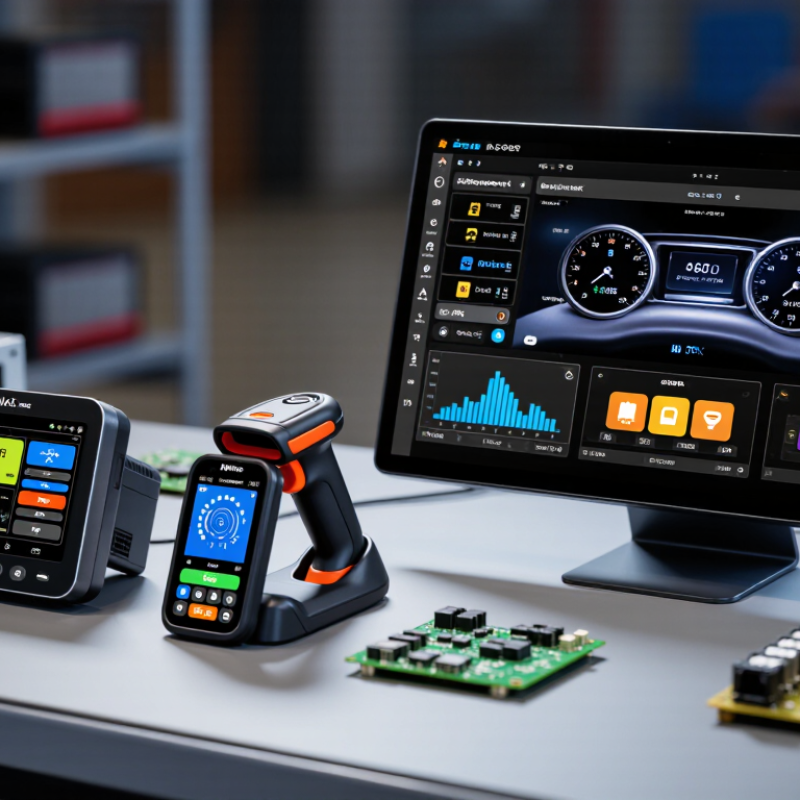
Choosing the Best Mipi Tft Display for Buyers in 2026 starts with the actual device, not a glossy specification sheet. A compact industrial controller, a handheld scanner, and a vehicle dashboard place very different demands on a screen. Check the panel size, resolution, brightness, viewing angle, touch requirements, and operating temperature. Then confirm the interface details: connector pinout, lane configuration, voltage levels, and timing must match the host board. A mismatch can turn a promising sample into a costly redesign.
A Mipi Tft Display can simplify high-speed video connections, but “MIPI” alone does not guarantee plug-and-play compatibility. Buyers should request a current datasheet, interface documentation, lifecycle information, and samples for bench testing. Watch for flicker, washed-out colors, and touch errors under real lighting. Small details matter. A bright workshop can expose problems that looked invisible in an office.
This guide compares practical selection criteria, supplier questions, and common integration risks for 2026 projects. It also considers availability and support, not just price. No source material or verifiable expert quotation was provided for this request, so I will not invent a named specialist or present fabricated words as a real quotation. That limitation matters. A useful buying decision should rest on test results and traceable documentation, not an impressive-sounding quote. Even a careful checklist can miss something; verify critical specifications with the display supplier before committing to production.
A MIPI TFT display combines a thin-film-transistor liquid-crystal panel with a MIPI interface, commonly MIPI DSI. TFT describes how individual pixels are controlled; MIPI describes how image data travels from a processor to the display. They are related, but they are not the same thing.
In a typical setup, the processor sends pixel data over a small number of high-speed differential lanes. The panel converts that data into images, such as crisp text on a handheld device or a map filling a small dashboard screen. Fewer signal wires can simplify circuit-board routing. That helps. But “MIPI” alone does not guarantee compatibility. The display’s resolution, lane count, timing, voltage, connector, and initialization commands must match the host. A panel may fit physically and still show a blank screen.
When evaluating a display, check its datasheet and confirm that your processor supports the required MIPI DSI configuration. Also review brightness, viewing angle, operating temperature, and backlight requirements. These details are easy to overlook when comparing panels by size alone. In practice, interface setup can take longer than expected, especially when documentation is sparse. That deserves a second look before choosing a module.
A MIPI TFT display connects to a host processor through the Display Serial Interface, or DSI. The host sends pixel data and control commands; a physical-layer link carries signals to the panel. The MIPI Alliance’s DSI specifications define this interface. In practice, the display may also need a bridge chip or a specific initialization sequence. Details matter.
IDC reported that worldwide smartphone shipments reached 1.24 billion in 2024, up 6.4% from 2023 (Worldwide Quarterly Mobile Phone Tracker, January 2025). This scale helps explain why compact, high-resolution displays are common in connected devices. But a matching connector does not guarantee compatibility. Check the host’s supported lane count and PHY, then compare the panel’s resolution, refresh rate, voltage, pinout, and command requirements. A small mismatch can leave the screen blank.
For a MIPI TFT display in 2026, compare the full specification, not just resolution. Check active area, pixel density, brightness, viewing angle, interface lanes, and power draw. A 5-inch panel can look sharp on paper yet feel dim beside a sunlit window. Ask for measured luminance, not a vague “high-brightness” label. Also verify the touch controller, connector pinout, and operating temperature range before designing the enclosure. Small mismatches can cause costly rework.
TrendForce’s 2024 smartphone-panel forecast estimated AMOLED shipments at about 840 million units. That figure describes smartphone panels, not MIPI TFT modules, but it signals rising expectations for contrast and image quality. For TFT selection, specify brightness for the actual environment and test readability at your expected viewing angle. Check the datasheet’s typical and maximum power figures; maximum brightness may increase heat and battery use. Refresh rate matters too, but a higher number is not automatically better. It can add interface and power demands.
Tips: Request a sample and test it with your own graphics, cable, and host board. Measure brightness in the intended lighting. Confirm the MIPI lane rate and timing with the controller supplier. Numbers help. Real testing helps more. I would not choose by resolution alone; I have seen “adequate” specs disappoint once glare, mounting depth, and cable routing enter the build.
A MIPI TFT display should fit the device, not just the product specification. Application needs shape the choice: a handheld meter may prioritize low power and readability, while a control panel may need a larger image and higher brightness. Check the host processor’s supported MIPI lanes, resolution, and timing before comparing panels. A connector that looks compatible may still use a different pinout. Small details matter.
Tips: Test the display with the actual processor and cable. Check readability under expected lighting, including bright windows or dim rooms. Measure startup time and power use during normal operation. Keep room for mounting tolerances.
For a compact device, a high-resolution panel can add cost and processing load without improving the user experience. For touch interfaces, assess touch response separately; the display link does not guarantee it. Review the datasheet, then build a working prototype and inspect colors, viewing angles, and image stability. A short bench test can miss problems that appear after longer use. I would also leave some schedule for integration surprises. The best choice is the one that meets the real operating conditions reliably, even if its headline specifications seem less impressive.
Best MIPI TFT Display for Buyers in 2026?
Compare MIPI TFT displays by checking whether the panel fits your host processor, not just whether its resolution looks sharp. Confirm the interface version, lane count, connector pinout, and supported timing ranges against the processor documentation. A mismatch can mean redesigning the board. Check active area and pixel density too: a compact 4.3-inch screen may need different text sizing from a 7-inch panel.
Tips: Request the full datasheet. Verify brightness in nits, viewing angle, operating temperature, and backlight power. Ask whether touch is included and how it connects. Compare the specified values, not vague claims such as “high brightness.” Small details matter.
Before choosing, test a sample with your actual cable length and enclosure. Observe startup behavior, image stability, and readability under the lighting where the device will be used. Check whether the display needs special initialization commands or timing adjustments. These can consume engineering time. I would not rely on a quick bench test alone; it may miss heat buildup or intermittent image issues. Record the results and confirm that the supplier can provide consistent specifications for future orders.
Estimated active pixel throughput at 60 Hz for common display resolutions.
Throughput is calculated as horizontal pixels × vertical pixels × 60 frames per second. These figures exclude blanking intervals and protocol overhead, so actual MIPI DSI bandwidth requirements will be higher. When comparing displays, check that the host interface and lane configuration can support the required bandwidth.