#4 – 20133 102nd Avenue, Langley, B.C. V1M 4B4 Canada

#4 – 20133 102nd Avenue, Langley, B.C. V1M 4B4 Canada
China has become a major source of industrial Agitators for chemical, pharmaceutical, food, water-treatment, and energy applications. Global buyers now face a crowded supplier market. Product photos alone cannot reveal performance.
This guide examines China’s top ten Agitators manufacturers through practical purchasing criteria. These include mixing efficiency, shaft strength, seal design, corrosion resistance, motor selection, customization, testing, and after-sales support. Manufacturing experience matters. So does documentation.
As mixing expert James Y. Oldshue wrote, “Mixing is the process of reducing or eliminating nonuniformities.” That principle remains highly relevant. A polished vessel with poor circulation still produces weak results. Buyers should request process data, not only catalog specifications. Ask about viscosity, density, solids content, temperature, speed range, and batch volume. A credible manufacturer should explain impeller selection clearly. It should also provide drawings, material certificates, inspection records, and realistic delivery information.
Details matter. A food plant may need stainless steel surfaces and hygienic welding. A wastewater facility may require abrasion resistance and continuous operation. A chemical reactor may depend on mechanical seals under pressure. One design cannot serve every process.
No ranking is perfect. Supplier capabilities can change. Some smaller factories may outperform larger brands on specialized projects. That deserves attention. This overview therefore supports comparison, not blind selection. Before ordering, buyers should verify references, factory capacity, quality controls, commissioning support, and total operating cost. The best Agitators supplier is not always the cheapest. It is the one that consistently matches equipment design with real process conditions.
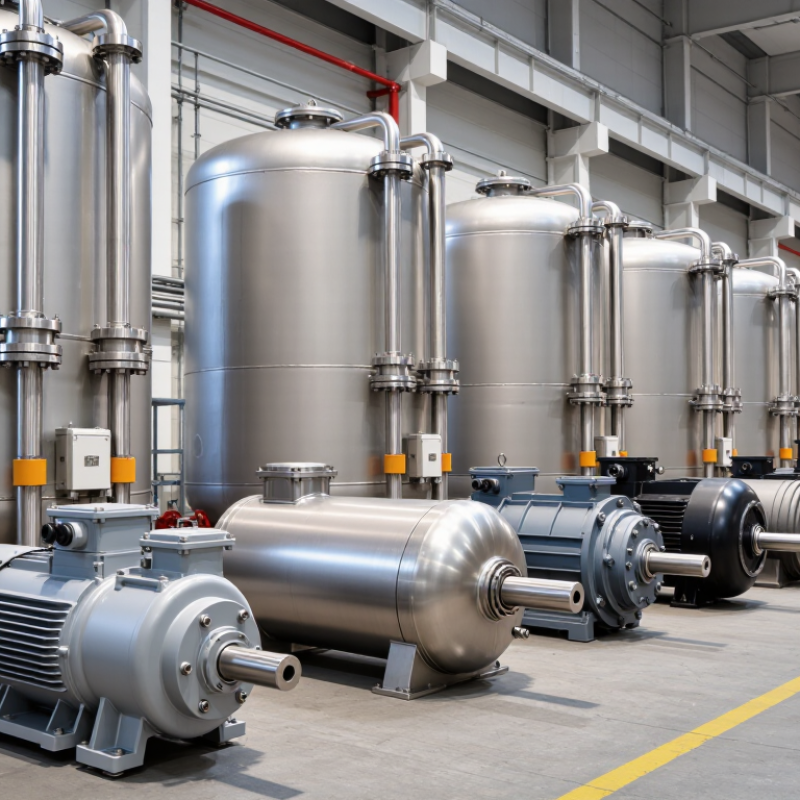
A leading agitator manufacturer proves performance before discussing price. Buyers should examine mixing trials, shaft deflection data, impeller balance records, and torque calculations. CFD analysis can reveal dead zones inside tanks, but physical testing remains essential. The best factories match materials to temperature, corrosion, viscosity, and sanitary requirements. They also provide drawings, welding records, inspection reports, and traceable component certificates. According to the ISO Survey 2023, more than 1.2 million ISO 9001 certificates were recorded worldwide. Certification helps, but it cannot replace process evidence.
Energy efficiency deserves equal attention. The International Energy Agency estimates that electric motor systems consume about 45% of global electricity. An inefficient agitator can quietly increase operating costs for years. Leading manufacturers therefore explain motor sizing, gearbox efficiency, seal selection, and variable-speed control. They should also offer factory acceptance testing, vibration checks, and documented noise measurements. Export experience matters too. Clear English documentation, protective packing, spare-part planning, and responsive technical support reduce commissioning risks. A polished website is not proof. Factory capability must survive an audit.
Tips: Request a witnessed water test and a complete inspection plan. Ask for three comparable project references, not generic customer lists. Check whether promised delivery dates include testing, packing, and customs documents. No factory is perfect. A reliable supplier admits limitations, records deviations, and proposes practical corrections. This honesty often reveals more than impressive equipment photographs.
Comparing China’s top 10 agitator manufacturers requires more than reading product catalogs. A reliable review should examine mixing performance, fabrication quality, testing records, and export experience. In factory visits or supplier audits, details matter: shaft runout, weld consistency, gearbox noise, and the clarity of inspection reports. These small points often separate capable manufacturers from attractive but weak suppliers.
The ten manufacturers usually differ in their strongest areas. Some focus on standard top-entry agitators for tanks and water treatment. Others provide side-entry, bottom-entry, or high-shear systems for demanding process conditions. A few show stronger engineering depth, offering CFD analysis, corrosion-resistant materials, and mechanical seal customization. Mid-sized producers may respond faster to drawings and smaller orders. Larger facilities often provide broader machining capacity, formal quality systems, and better spare-parts support.
Performance claims still need verification. A polished brochure is not proof. Buyers should request impeller drawings, motor data, balancing records, material certificates, and a factory acceptance test plan. Ask how the supplier handles vibration after installation. This question exposes practical experience. I would also compare lead times carefully, because the shortest promise is not always the safest one. Supplier rankings can change with project scale, application, and after-sales performance. My own comparison would remain cautious where field data is limited. Mistakes happen. Good manufacturers explain them clearly and correct them with documented actions.
| Rank | Anonymous Supplier | Typical Power Range | Common Wetted Materials | Core Agitator Designs | Typical Applications | Common Quality / Compliance Documentation | Typical Commercial Lead Time |
|---|---|---|---|---|---|---|---|
| 1 | Manufacturer A | 0.18–250 kW | Carbon steel, 304/316 stainless steel, duplex steel, nickel alloys | Top-entry, side-entry, bottom-entry, turbine and hydrofoil impellers | Water treatment, chemicals, food processing, pharmaceuticals | Material certificates, dimensional inspection, balancing records, factory test reports | Approx. 4–12 weeks after approved drawings |
| 2 | Manufacturer B | 0.37–315 kW | 304/316L stainless steel, rubber-lined steel, coated carbon steel | Axial-flow, pitched-blade, paddle, anchor and scraper agitators | Wastewater, mining, pulp and paper, general process equipment | Welding records, pressure-test documentation, motor data sheets, inspection plans | Approx. 5–14 weeks after technical confirmation |
| 3 | Manufacturer C | 0.12–185 kW | 316L stainless steel, Hastelloy-type alloys, glass-lined components | High-shear, disperser, emulsifier, rotor-stator and laboratory mixers | Cosmetics, pharmaceuticals, coatings, food and specialty chemicals | Surface-finish records, cleanability documentation, material traceability, FAT support | Approx. 6–16 weeks, depending on sanitary requirements |
| 4 | Manufacturer D | 0.25–220 kW | Carbon steel, 304/316 stainless steel, epoxy-coated steel | Slow-speed mixers, vertical-shaft mixers, bridge-mounted and submersible units | Municipal wastewater, sludge treatment, anaerobic digestion | Motor protection data, IP ratings, coating records, site commissioning documents | Approx. 4–10 weeks for standard configurations |
| 5 | Manufacturer E | 0.37–400 kW | Carbon steel, 304/316 stainless steel, duplex and abrasion-resistant alloys | Large-volume top-entry, side-entry, turbine, hydrofoil and customized agitators | Petrochemicals, minerals processing, biofuels, bulk chemicals | Mechanical calculations, vibration reports, welding qualifications, performance testing | Approx. 8–20 weeks for large or engineered systems |
| 6 | Manufacturer F | 0.18–160 kW | 304/316 stainless steel, sanitary polished steel, food-grade elastomers | Sanitary top-entry, bottom-entry, magnetic-drive and anchor mixers | Dairy, beverages, nutrition products, biotechnology | Surface roughness reports, elastomer declarations, hygienic design records, FAT options | Approx. 6–14 weeks after sanitary design approval |
| 7 | Manufacturer G | 0.25–200 kW | Carbon steel, 304/316 stainless steel, PTFE-lined and rubber-lined components | Side-entry, top-entry, propeller, turbine and anti-vortex designs | Oil storage, chemical blending, wastewater and liquid storage tanks | Shaft alignment records, seal specifications, coating inspection, motor certificates | Approx. 5–12 weeks for standard tank mixers |
| 8 | Manufacturer H | 0.12–110 kW | 304/316 stainless steel, carbon steel, corrosion-resistant coated alloys | Static mixers, inline mixers, high-shear units and compact process mixers | Water treatment, polymer preparation, adhesives and liquid dosing | Flow calculations, pressure-drop data, material certificates, factory inspection reports | Approx. 3–10 weeks for catalog-based equipment |
| 9 | Manufacturer I | 0.37–280 kW | Carbon steel, 304/316 stainless steel, duplex steel and wear-resistant materials | Heavy-duty turbine, paddle, anchor, ribbon and high-viscosity mixers | Resins, paints, construction chemicals, minerals and high-viscosity products | Torque calculations, gearbox documentation, trial-mixing reports, inspection records | Approx. 7–18 weeks for high-torque equipment |
| 10 | Manufacturer J | 0.18–150 kW | Carbon steel, 304/316 stainless steel, lined and coated wetted parts | Standard top-entry, portable mixers, drum mixers, paddle and propeller units | General chemical processing, water treatment, agriculture and light manufacturing | Product drawings, motor documentation, basic inspection reports, export packing records | Approx. 3–10 weeks for standard models |
| Buyer note: Agitator selection depends on vessel geometry, liquid viscosity, density, solids concentration, corrosion conditions, mixing objective, speed, torque, seal arrangement and hazardous-area requirements. Rankings are presented anonymously and should not be interpreted as an independent certification or a substitute for technical due diligence. | |||||||
China Top 10 Agitator Manufacturers for Global Buyers
Industrial agitators differ sharply by process duty. Anchor agitators suit viscous liquids, such as resin, syrup, and personal-care creams. Turbine agitators create stronger radial flow for blending, gas dispersion, and suspension. Hydrofoil impellers reduce power demand in large tanks. Pitched-blade designs offer practical circulation for chemical, food, and water-treatment processes. Magnetic agitators support sealed systems where contamination control matters.
Modern manufacturers combine mechanical design with process testing. Variable-frequency drives adjust speed when viscosity or batch volume changes. Mechanical seals need careful selection for temperature, pressure, and chemical compatibility. Computational fluid dynamics can predict dead zones, although simulations should not replace pilot trials. Hygienic applications require polished surfaces, drainable geometry, and controlled weld quality. Small details matter.
Global buyers should request torque calculations, shaft deflection data, materials certificates, and documented factory testing. Ask how the supplier handles scale-up from laboratory vessels to production tanks. A suitable agitator must match more than vessel size. Liquid density, viscosity, solids loading, baffle design, and required mixing time all affect performance. No design is universal. In real projects, an impressive datasheet can still hide poor low-speed stability or difficult maintenance access. That deserves scrutiny. Suppliers with traceable quality procedures, clear drawings, and responsive engineering support usually reduce commissioning risks, even when the lowest quotation looks attractive.
The chart compares representative operating-speed ranges commonly used for major industrial agitator types. Low-speed designs such as anchors and helical ribbons are suited to high-viscosity products, while turbines, pitched-blade impellers, and hydrofoils are commonly selected for blending, gas dispersion, suspension, and heat-transfer applications. Actual operating conditions depend on viscosity, vessel geometry, impeller diameter, solids loading, and process requirements.
Data basis: representative engineering ranges used in industrial mixing design; values are indicative rather than manufacturer-specific or market-share data.
When comparing China’s top 10 agitator manufacturers, global buyers should look beyond price and polished catalogs. Quality begins with material control, shaft alignment, weld inspection, and reliable seals. Ask for factory test records, drawing approval procedures, and performance data from similar applications. An experienced manufacturer should explain mixing time, viscosity range, solids content, and power requirements in practical terms.
Customization matters when tanks, fluids, or production targets differ. Suppliers may adjust impeller design, shaft length, motor voltage, surface finish, and corrosion-resistant materials. Stainless steel grades should match the process, not just the quotation. Certifications also require careful checking. ISO 9001 can support quality management, while CE marking may apply to specific equipment and markets. Request valid certificates, declarations, test reports, and traceable component information. A certificate alone proves little.
Tips: Request a signed technical specification before ordering. Confirm factory acceptance testing, export packaging, spare-part availability, and installation support. Check whether the supplier regularly serves your destination country. Clear documents reduce delays at customs and during commissioning. Export experience is valuable, but it is not flawless. Even reliable manufacturers may overlook small details, such as cable standards or local voltage. Review every item with an engineer. Small mistakes become expensive later.
Selecting the right agitator supplier requires more than comparing catalog prices. Global buyers should match the agitator design with viscosity, density, temperature, solids content, and vessel geometry. A unit tested in water may perform poorly in a thick slurry. Ask for mixing calculations, impeller drawings, motor data, and expected power consumption. Clear engineering documents show whether a supplier understands the process, not just the equipment.
Supplier evaluation should include factory capability, material traceability, welding standards, surface finishing, and inspection procedures. Request evidence of similar installations, but verify the operating conditions behind those references. A food process, chemical tank, and wastewater basin may need completely different sealing and shaft arrangements. Factory audits, video inspections, and third-party testing can reduce uncertainty. They cannot remove it.
Communication is equally important. The supplier should explain assumptions, delivery limits, spare-part availability, and commissioning support in plain language. Pay attention to response quality. Vague replies often become expensive delays later. A reliable partner will also identify risks instead of promising everything. No checklist is perfect. Some buyers focus too heavily on the lowest quotation and overlook lifecycle costs, maintenance access, and energy use. Compare total ownership costs over several years, then confirm every critical detail in the contract and technical specification.