#4 – 20133 102nd Avenue, Langley, B.C. V1M 4B4 Canada

#4 – 20133 102nd Avenue, Langley, B.C. V1M 4B4 Canada
Choosing a Powder Detergent supplier in 2026 takes more than comparing prices. The right partner must deliver consistent product quality, clear documentation, dependable communication, and realistic delivery schedules. A low quote can look attractive until a sample dissolves slowly, leaves residue, or arrives in packaging with weak seals.
Start with the product itself. Request samples and test them under conditions close to your customers’ actual use. Check cleaning performance, fragrance strength, flow, and how well the powder dissolves in different water temperatures. Ask for current specifications, safety documentation, and batch records. Then confirm whether the supplier can maintain the same formula and quality across repeat orders. Details matter.
Experience also means asking awkward questions. What happens when a shipment is delayed? How are quality complaints investigated? Can the supplier explain its production controls without relying on broad promises? Review communication, capacity, packaging options, and shipping terms alongside unit cost. If you sell under your own brand, confirm that labeling and customization requirements are understood before production begins.
No checklist removes every risk. I would not treat a polished website or one excellent sample as proof of long-term reliability; that conclusion needs evidence over time. This guide outlines practical ways to assess suppliers, compare their capabilities, and identify warning signs before committing to a large order. A careful decision may take longer. It can also prevent expensive surprises later.
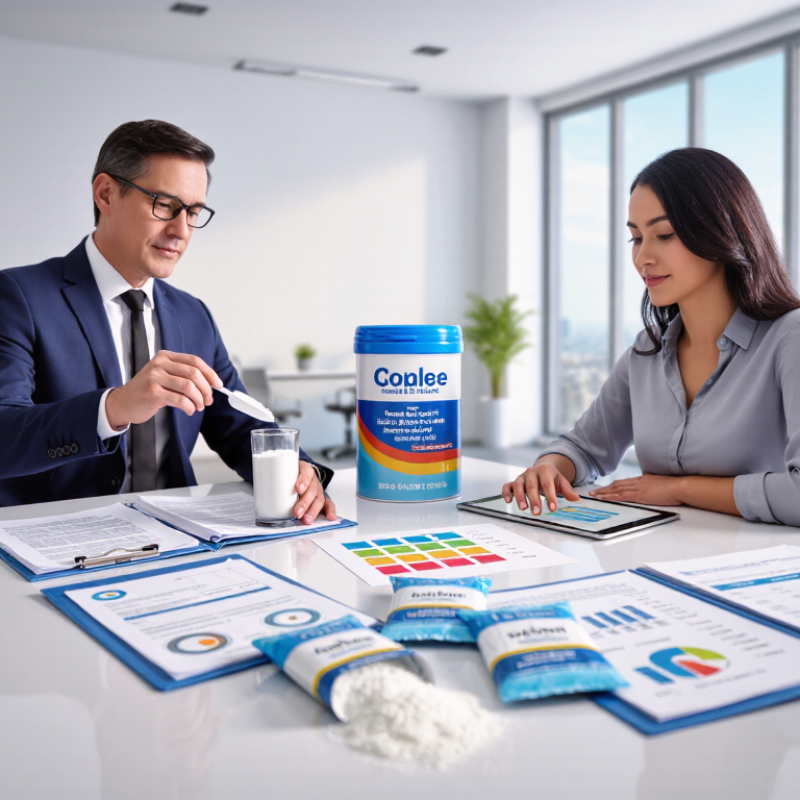
Before contacting suppliers, define what the powder must do in real use. Is it for handwashing, machine washing, or both? Note water hardness, typical wash temperature, soil type, and whether customers expect fragrance. Record pack sizes and target price too. A 500-gram pouch may suit trial buyers; a family-size bag changes storage and shipping needs. Small details matter.
Describe your target market with practical specifics: household size, preferred retail channel, climate, and expected cost per wash. Do not assume one formula fits every customer. Some buyers may prioritize stain removal, while others need quick dissolving in cold water or low foam for particular machines. Check applicable labeling and performance requirements with qualified local experts. Rank essential features separately from preferences, or supplier quotes can be difficult to compare.
Turn the brief into questions about samples, batch consistency, quality checks, minimum order quantities, and lead times. Test samples using your local water and a familiar load of laundry. Look for undissolved grains, residue on dark fabric, and changes in scent after drying. Keep written results, even when they are imperfect. I would not lock every preference on day one; customer feedback may change the brief. Be honest about that uncertainty, and ask suppliers which specifications they can verify rather than relying on broad promises.
Use this planning table to define a product brief before requesting quotations. Performance targets and test methods should be confirmed for the intended market, machine type, water conditions, and applicable regulations.
| Planning Dimension | Target Market or Use | Requirements to Define | What to Ask a Supplier to Provide |
|---|---|---|---|
| Geographic market | Specify each country or region where the detergent will be sold, including any online or private-label sales territories. | Confirm applicable detergent, chemical classification, ingredient disclosure, packaging, language, and import requirements for each destination. | Market-specific compliance documentation, current safety data sheets, ingredient information, and support for label review. Verify requirements with a qualified regulatory professional. |
| Customer segment | Choose the intended buyer: household consumers, laundries, hospitality operators, healthcare facilities, or other institutional users. | Define expected purchase size, dosing habits, preferred pack format, price positioning, and whether fragrance-free or specialized options are needed. | Available product grades, pack-size options, recommended usage instructions, and evidence that the proposed product suits the stated use. |
| Washing equipment | Identify whether the product is intended for domestic top-load machines, front-load machines, hand washing, or commercial laundry equipment. | Set machine compatibility and dosing instructions. For low-water or high-efficiency machines, specify foam-control expectations and test conditions. | Product-use guidance and performance test results for the relevant machine types, load sizes, and wash conditions. |
| Cleaning performance | Prioritize the stains and fabrics that matter to the target user, such as everyday soil, food stains, or workwear soil. | Define cleaning benchmarks, water hardness, wash temperature, dosage, and comparison method. Avoid relying on a performance claim without a stated test basis. | Test protocol, sample results, dosage basis, and information on how performance was measured. Agree on acceptance criteria before production. |
| Water conditions | Consider the hardness range and water quality in the intended sales area. | Specify performance expectations in soft, medium, or hard water and identify whether water-softening ingredients are required. | Recommended dosage by water hardness and supporting test data or technical guidance for the proposed formulation. |
| Formulation preferences | Determine whether the market expects a standard, fragrance-free, color-care, enzyme-containing, or other clearly defined product type. | List required and restricted ingredients, fragrance preferences, allergen-label considerations, and any claims that need substantiation. | Ingredient declaration, allergen information where applicable, formulation change-control process, and documentation supporting permitted claims. |
| Powder handling and appearance | Relevant to product filling, transport, storage, dosing, and consumer experience. | Agree measurable specifications for appearance, particle or granule characteristics, moisture, flowability, and bulk density where these affect filling or use. | Written product specification, batch test results, sampling method, and agreed tolerances. Set limits based on trials rather than treating one range as universal. |
| Packaging and pack size | Match packs to retail shelves, e-commerce shipping, household use, or bulk institutional supply. | Define net weight, pack material, closure or seal, moisture protection, labeling languages, and any applicable packaging obligations. | Packaging specifications, compatibility or transport-test information where relevant, and confirmation of available filling formats and minimum order quantities. |
| Quality assurance | Important for every market, especially where consistent performance and traceability are required. | Set acceptance criteria for identity, appearance, moisture, weight, packaging integrity, and agreed performance checks. | Quality-system overview, batch-specific certificate of analysis, lot traceability, complaint handling procedure, and change-notification terms. |
| Supply and logistics | Consider local distribution, imported goods, seasonal demand, and replenishment lead times. | Estimate annual and initial order volumes, delivery locations, required shelf life, stock expectations, and acceptable lead-time variation. | Written quotation, minimum order quantity, production and delivery lead times, shipping terms, storage guidance, and business-continuity arrangements. |
| Cost and commercial terms | Set a target landed cost consistent with the intended retail price or operating budget. | Compare cost per kilogram and cost per wash at the recommended dose, including packaging, freight, duties, testing, and any setup charges. | Itemized quotation, pricing assumptions, payment terms, tooling or artwork charges, and the process for price changes. |
| Claims and substantiation | Applies to claims such as “biodegradable,” “low temperature,” “sensitive skin,” or “reduced packaging.” | Use only claims that are permitted in the destination market and can be supported by suitable evidence. | Relevant test reports or technical documentation, claim limitations, and written confirmation of which claims the supplier can substantiate. |
A powder detergent supplier’s experience is best judged through evidence, not a company’s age alone. Ask for examples of products made for similar wash conditions, packaging formats, and order sizes. Review batch records and quality checks for moisture, bulk density, and granule consistency. Small differences can affect pouring and dosing. Ask how complaints are investigated, too. A useful answer includes a clear process, not just reassurance.
Capacity needs a closer look than the maximum monthly output on a sales sheet. Ask what the line produces in a normal week, how shifts are covered, and whether seasonal demand changes lead times. If possible, walk through production and observe material handling and finished-goods storage. Even a careful audit can miss a weak shift handover. No checklist catches everything. Request a trial order and compare several bags for weight, appearance, and flow before approving larger volumes.
A broad product range can help when your needs change, but only if the supplier can explain each option. Check available detergent bases, fragrance levels, enzymes, and pack sizes, then ask which choices are standard and which require custom production. Confirm how formulation changes are recorded and samples are matched to later batches. A polished presentation is not proof; production can vary. I would also ask what the supplier cannot make well. That answer may be more revealing than a long catalogue.
Choosing a powder detergent supplier in 2026 starts with evidence, not a polished brochure. Request current quality certificates and check their scope, expiry date, and issuing body. Ask for a batch-specific certificate of analysis showing key measures such as moisture, active ingredient levels, and granule consistency. Ask for proof. Compare those figures with your own product requirements, and request independent test results when claims seem unusually broad. A neat certificate folder can still hide gaps.
Safety and regulatory checks deserve equal attention. Review the safety data sheet and product label for clear hazard information, handling guidance, storage conditions, and first-aid instructions. Confirm that the supplier can provide ingredient information and supporting documents for every market where you plan to sell. Requirements vary by country and product use, so verify them with qualified local advisers rather than relying on a supplier’s general assurance. Details matter. Check that packaging protects the powder from moisture, and ask how damaged or inconsistent batches are investigated. A sample can look fine on a desk yet behave differently in a humid warehouse. I have seen paperwork treated as a finish line; it is better viewed as one checkpoint in ongoing supplier reviews. After approval, agree on change notifications, traceable batch records, and a practical process for reporting quality concerns.
When comparing powder detergent suppliers in 2026, ask for quotes using the same specification, packaging, and order volume. Compare landed cost per usable kilogram, not just the quoted factory price. Include freight, handling, testing, and packaging changes. Then check minimum order quantities against your actual sales pace. A low unit price can tie up cash in months of slow-moving stock. Ask whether suppliers allow mixed batches or repeat orders below the initial MOQ. Get every fee and threshold in writing.
Delivery reliability needs evidence, not reassurance. Request on-time shipment records for the past year, typical production lead times, and written notice procedures for delays. The World Bank’s 2023 Logistics Performance Index assessed 139 economies across six areas, including shipment tracking and timeliness. That is useful context, but it cannot verify one supplier’s performance. Ask for dated dispatch records and compare promised with actual arrival dates. UNCTAD’s Review of Maritime Transport 2024 reported 2.4% growth in seaborne trade during 2023, while noting that disruptions can affect routes and costs. Build a modest buffer into reorder plans. I would still leave room for error; factory schedules are not always tidy.
Treat detergent samples as controlled trials, not courtesy gifts. Ask for three production-representative batches, plus the formula’s dosage guidance and a current specification sheet. Wash identical cotton and blended-fabric swatches using the same water temperature, load weight, and soil level. Record stain removal, residue, fragrance strength, and how easily the powder dissolves. A bright sample may impress, but one test cannot predict batch consistency. Repeat the trial, and keep a sealed sample for comparison.
Check whether the supplier can explain any differences between pilot and commercial batches. Request test methods, certificates of analysis, ingredient and allergen disclosures, and written limits for moisture and particle size. Confirm lead times, minimum order quantities, packaging options, and how complaints are investigated. UNEP’s 2023 Turning off the Tap report estimates that plastic pollution could be reduced by 80% by 2040 using existing solutions. Use that context to ask suppliers for packaging weights and verifiable recyclability information, rather than accepting broad environmental claims. Some answers may be incomplete. That matters.
Tips: Put sample results and agreed specifications in writing. Approve a pre-shipment sample, define change-notification rules, and schedule a review after the first commercial order. If the supplier resists reasonable checks, pause before committing.