#4 – 20133 102nd Avenue, Langley, B.C. V1M 4B4 Canada
#4 – 20133 102nd Avenue, Langley, B.C. V1M 4B4 Canada
Choosing a US injection molding company is not just a price comparison. The right partner must match your part design, resin, annual volume, and quality requirements. A thin-walled enclosure, for example, may need different tooling and process controls than a thick structural component. Ask how the company handles mold design reviews, sampling, production changes, and defect investigations. Small details matter.
Industry data offers useful context, but it cannot select a supplier for you. Grand View Research valued the global injection molded plastics market at approximately $330.42 billion in 2023 and projected continued growth through 2030. That scale reflects broad demand across sectors, not a guarantee of capacity at any individual US facility. Request specific evidence: machine tonnage, available production hours, material traceability, inspection methods, and examples of comparable parts. Ask for evidence.
Technology and workforce readiness also deserve attention. Deloitte’s 2024 Smart Manufacturing and Operations Survey reported that 86% of surveyed manufacturing executives viewed smart manufacturing as a driver of competitiveness over the next five years. For buyers, that makes practical questions important: Can the molder share process data? Are measurements recorded consistently? Who responds when a trial part fails? A polished quote is not proof. Review documented capabilities, references, and communication before committing to tooling. Even a careful checklist misses something; revisit your assumptions as the design and forecast change. This guide explains how to assess us injection molding suppliers with clearer criteria and fewer avoidable surprises.
Before contacting a molding company, write down what the part must do, where it will be used, and how many you expect to make. Include material needs, target dimensions, cosmetic expectations, and any critical tolerances. A housing with a visible front surface needs different inspection criteria than a hidden internal clip. Share drawings or CAD files, but flag areas that are still changing. Unclear requirements can lead to quote revisions, delays, or tooling changes.
Set realistic production goals. Estimate first-year demand, expected order sizes, and how quickly volume may grow. Your forecast will probably be imperfect; that is normal. Still, a clear range helps a supplier recommend a press size, cavity count, and production approach. Ask how the company verifies dimensions, manages material consistency, and handles rejected parts. Specific answers matter more than broad promises.
Tips: Bring a sample part, if available. Mark critical dimensions on the drawing. Separate must-haves from preferences. Ask for assumptions behind the quote.
Also discuss timing and project readiness. A firm launch date may depend on design approval, mold construction, sampling, and revisions. Leave room for testing; the first molded parts may reveal a fit issue you did not anticipate. It can be tempting to rush straight to production, but skipping a review can cost more later. Share what is fixed and what can still change, so the company can identify risks before committing to a schedule.
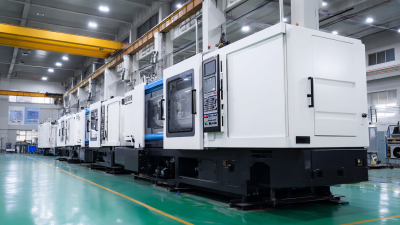
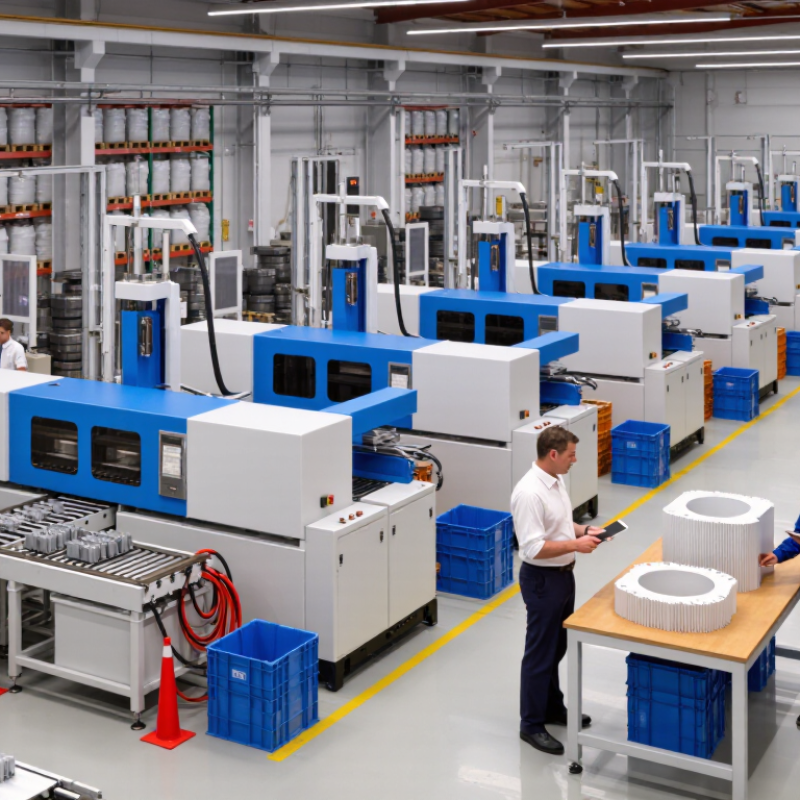
A capable injection molding company should explain how its equipment fits your part, not just provide a machine list. Ask about press tonnage, shot-size range, platen dimensions, and tie-bar spacing. These details determine whether a mold can run safely and consistently. A large press is not automatically the right press. Numbers need context.
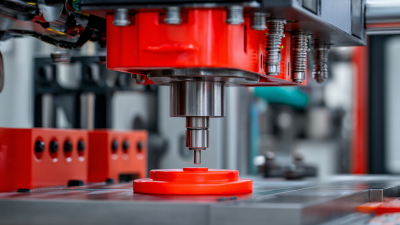
Discuss the resin and part geometry with the engineering team. They should be able to review wall thickness, draft, gate location, and likely warpage before tooling begins. Ask how they control melt temperature, injection pressure, cooling time, and cycle variation. Ask to see records. A sample process sheet or inspection report can show whether settings and measurements are documented. For tighter tolerances, check what measuring tools are available and how often they are calibrated.
Equipment condition matters too. Look for clear mold-maintenance practices, spare-part tracking, and evidence of routine machine checks. If possible, tour the production area and observe a changeover or first-article inspection. Clean floors alone prove little. One detail is easy to overlook: a supplier may have advanced presses but limited experience with your material or geometry. I would ask for examples of comparable work, while remembering that past results cannot guarantee a new part will behave the same way.
How to Choose a US Injection Molding Company
Verify Quality Systems and Regulatory Compliance
A supplier’s quality certificate is a starting point, not proof that every part will meet your requirements. Check the certificate’s scope, facility address, and expiration date. Then ask to see how operators document material lots, machine settings, inspections, and nonconforming parts. Can they trace a finished component back to its resin batch and production shift? That matters. For medical-device work, confirm whether an ISO 13485 quality system is appropriate for the supplier’s role. Registration with a regulator should not be mistaken for product approval.
Look closely at calibration records for gauges and inspection equipment. Ask how the company controls mold changes, approves process adjustments, and investigates recurring defects. A capable team should explain these steps plainly and provide relevant, current records—not just a polished presentation. Request a sample inspection report, with confidential details removed, and compare its measurements with your drawing’s critical dimensions. Paperwork can look tidy while shop-floor habits vary between shifts. I would check how procedures are followed in practice, too. Ask who reviews production records, how often internal audits occur, and what happens when a corrective action fails to prevent a repeat issue. A thoughtful supplier will identify limits and clarify which compliance responsibilities belong to each party.
| Verification Area | Factual Benchmark | Evidence to Request | How to Assess |
|---|---|---|---|
| Quality management system | ISO 9001:2015 is a general quality-management standard. Certification is not a universal legal requirement for injection molding suppliers. | Current certificate, issuing certification body, covered site, scope, and expiration date; quality manual or process overview. | Confirm the certificate covers the actual manufacturing location and relevant molding activities. Check that the scope fits the work being quoted. |
| Medical-device regulatory scope | The FDA Quality Management System Regulation (QMSR) became effective on February 2, 2026. It incorporates ISO 13485:2016 by reference, with FDA-specific requirements. Applicability depends on the supplier’s role and the products and activities involved. | A written description of regulatory responsibilities; applicable procedures; relevant audit or inspection records; and, where applicable, current ISO 13485:2016 certification details. | Determine which party is responsible for design, production, release, records, and regulatory submissions. Do not treat a certificate alone as proof of FDA compliance. |
| Document and change control | Controlled manufacturing requires authorized, current instructions and managed changes to relevant processes, materials, tooling, and specifications. | Sample work instructions, revision history, change-control procedure, and a redacted change-notification example. | Check that obsolete instructions are prevented from use and that customer approval is obtained when required by the contract or quality agreement. |
| Process qualification and validation | The appropriate qualification or validation approach depends on product risk, process capability, customer requirements, and applicable regulations. There is no single universal validation protocol for every molded part. | Process qualification plans and reports; machine and mold setup records; documented process parameters; and evidence of requalification triggers. | Verify that the documented approach addresses the part’s critical characteristics and identifies what changes require review or requalification. |
| Inspection and measurement | Inspection methods should be suitable for the drawing tolerances and product requirements. Measuring equipment used for acceptance decisions should be controlled and calibrated as applicable. | Inspection plan, sample dimensional report, equipment register, calibration records, and measurement-system studies when required. | Compare inspection methods and reported results with the current drawing, specified sampling plan, and agreed acceptance criteria. |
| Material and lot traceability | Traceability depth and record-retention periods depend on applicable regulations, customer agreements, and product risk; there is no single period that applies to all molded products. | A redacted example linking incoming resin lot, production batch, inspection results, and shipment records; written retention policy. | Conduct a sample trace exercise in both directions: from a finished lot back to material and production records, and from a material lot to affected shipments. |
| Nonconformance and corrective action | A functioning quality system identifies and controls nonconforming product and documents investigation and corrective action where appropriate. | Nonconformance and corrective-action procedures, a redacted investigation example, and records showing disposition and effectiveness review. | Look for documented containment, root-cause analysis, assigned actions, and evidence that corrective actions were checked for effectiveness. |
| Supplier and subcontractor controls | Controls should be appropriate to the supplied material or service and its effect on product conformity. Outsourced processes do not remove the need to define responsibility and oversight. | Supplier-approval criteria, incoming-material controls, subcontractor list for relevant processes, and agreements defining quality responsibilities. | Confirm that critical materials and outsourced operations are identified, monitored, and subject to change notification where required. |
How to Choose a US Injection Molding Company
Compare Pricing, Lead Times, and Communication
A useful quote should explain more than the piece price. Ask for separate costs for tooling, resin, setup, sampling, and shipping. Check whether the estimate assumes a specific order volume or material grade. A low price can hide expensive revisions or unclear inspection steps. I would not treat the cheapest quote as the winner; that shortcut can age badly. Compare the same part specifications across suppliers, including tolerances and expected production volume.
Lead times deserve the same close review. Ask when design review, mold construction, first samples, and production are expected. A single delivery date tells you little. Confirm what could move it, such as a design change or delayed material. Communication matters when those changes happen. Look for clear answers, regular status updates, and a named contact who can explain problems without passing you between departments. A polished promise is not a schedule. A simple milestone list is better.
Tips: Request a written quote breakdown and dated production milestones. Ask how sample defects are recorded and resolved. Notice how quickly the company answers one detailed question. That is useful, though not conclusive. Even a careful comparison cannot predict every shop-floor surprise, so leave room for a schedule buffer.
Compare pricing, lead times, and communication
These are typical planning ranges, not guaranteed US industry averages. Actual timing depends on part complexity, tooling requirements, material availability, and order quantity. Compare written quotes on the same scope, including tooling and production costs, and ask each supplier for milestone dates and a named communication contact.
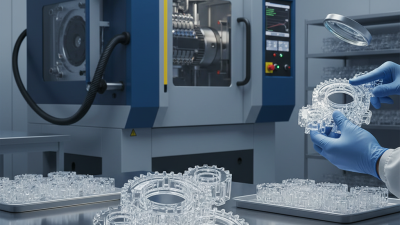
Samples reveal more than a polished sales presentation. Ask for parts made with the resin, wall thickness, and finish your project requires. Inspect gate marks, ribs, corners, and visible sink or flash under ordinary light. Check key dimensions with a caliper and compare them with the drawing. One sample cannot prove repeatability. Request parts from separate production runs when consistency matters, and ask how the supplier tracks changes between runs.
References add context that samples cannot provide. Speak with customers whose part complexity or production volume resembles yours. Ask how the company handled late design changes, tooling adjustments, and quality issues after launch. Listen for specific examples, not broad praise. Long-term fit also depends on who answers technical questions, how quickly problems are documented, and whether costs and lead times are explained clearly. A facility tour can show mold maintenance and workflow, but a tidy floor is not proof of consistent output. It is easy to overvalue a flawless sample; treat it as one useful data point, not a guarantee.