#4 – 20133 102nd Avenue, Langley, B.C. V1M 4B4 Canada

#4 – 20133 102nd Avenue, Langley, B.C. V1M 4B4 Canada
In the competitive field of injection mold manufacturing, choosing the right process is crucial. Industry expert John Smith emphasizes, "The right method can elevate production efficiency and quality." His experience highlights the importance of understanding various manufacturing techniques.
Injection mold manufacturing encompasses several processes, each with distinct advantages. Factors such as material type, production volume, and design complexity shape this decision. It's essential to analyze your specific needs before selecting a manufacturing strategy.
Additionally, challenges may arise. Not all methods suit every project. Some processes might increase costs without significant benefits. Evaluating these aspects ensures informed choices in injection mold manufacturing. Taking the time to reflect on these decisions can lead to better outcomes in the long run.
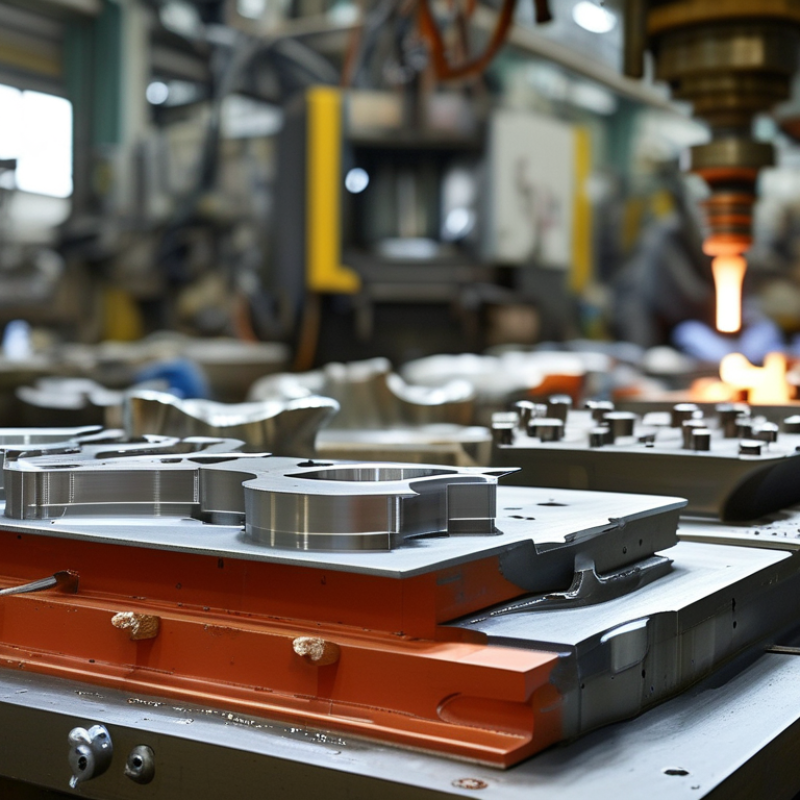
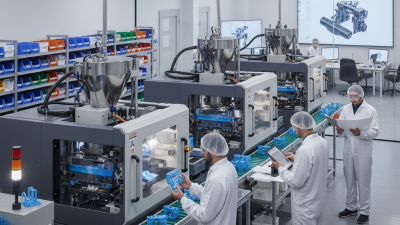
Understanding the injection mold manufacturing process is crucial for effective production. The two primary methods are cold and hot runner systems. Cold runners channel molten plastic to the mold cavities. In contrast, hot runners maintain the plastic's temperature, minimizing waste. According to a report from the Society of Plastics Engineers, about 30% of production costs arise from inefficient runner systems. Selecting the right system can significantly impact cost-effectiveness and product quality.
Another key aspect is the choice of materials. Common options include thermoplastics and thermosets, each with distinct properties. Thermoplastics can be easily molded and remolded, while thermosets offer durability once cured. Market analysis indicates that the global demand for thermoplastics is projected to grow by 6% annually through 2025. Understanding these materials helps manufacturers optimize their processes.
Sometimes the ideal solution leads to greater complexity. Complex geometries may require advanced techniques like multi-cavity molding. While this can enhance production efficiency, it also comes with challenges. Increased setup time and cost are significant risk factors. Manufacturers must weigh the benefits against potential drawbacks, ensuring that the final decision aligns with business goals. This careful balancing act defines the art of choosing the right injection mold manufacturing process.
Choosing the best injection mold manufacturing process is vital for efficiency and cost-effectiveness. Key factors affecting this choice include material compatibility, production volume, and part complexity. According to a recent industry report, over 70% of manufacturers cite material selection as a critical element. Each material behaves differently during molding, impacting durability and manufacturing outcomes.
Production volume also significantly influences the decision. A study indicated that precision parts requiring high volumes benefit from advanced injection methods. For low-volume production, simpler processes may be more cost-effective. Complexity of the part is another crucial aspect. Intricate designs often require specialized molds that can increase production time and cost. Interestingly, 55% of manufacturers report underestimating mold design intricacies, leading to unforeseen expenses.
Moreover, sustainability considerations are becoming increasingly important. Many companies now prioritize eco-friendly materials and processes. A survey showed that 64% of manufacturers are investing in sustainable technologies. It reflects growing industry awareness about environmental impact. Balancing these factors can be challenging. Each decision carries weight and necessitates careful consideration, illustrating the complexities inherent in mold manufacturing.
Choosing the right injection mold manufacturing process is crucial for product quality and cost efficiency. Different techniques offer unique advantages and challenges. For instance, traditional injection molding is ideal for high volumes, producing consistent parts. It can handle complex geometries and a variety of materials. However, the initial setup costs are high, which may not suit smaller runs.
Another option is 3D printing of molds, which is gaining traction. It allows for rapid prototyping with lower costs and shorter lead times. According to a recent industry report, businesses are shifting 25% of their mold production to additive methods. Despite its benefits, the durability of 3D-printed molds can be a concern compared to traditional methods.
Tips for Choosing the Right Process:
Evaluate your production volume. High demand typically favors traditional injection molding. For limited runs, consider alternatives like 3D printing. Assess the complexity of your part. Some processes excel in intricate designs. Lastly, factor in material compatibility with each option to achieve the best results. Don’t overlook that each method may have hidden costs.
Keep these considerations in mind as you navigate injection mold techniques. They can greatly impact your project’s success. Don't rush; take your time to analyze the best fit for your requirements.
Choosing the right injection mold manufacturing process can significantly impact project costs and efficiency. Evaluating cost-effectiveness requires comprehensive analysis. According to industry reports, production costs for injection molds can vary widely. They can range from $1,000 to over $100,000 depending on complexity and material choices. Therefore, understanding the needs of your specific application is crucial.
Some processes, like prototyping, may seem more affordable initially. However, they can lead to higher costs due to frequent adjustments. On the other hand, precision molds designed for mass production often involve higher upfront investments, yet they yield lower per-unit costs over time. The reduced cycle time in these molds can lead to increased output, further improving cost-effectiveness.
It's vital to consider all variables, including material selection, design complexity, and production volume. For instance, crystalline polymers often require different mold considerations compared to amorphous materials. Each choice presents trade-offs in lifecycle costs. Scrutinizing these aspects can aid in selecting the most cost-effective manufacturing process while maintaining quality. It's a complex balance that demands careful reflection and expertise.
Selecting the right injection mold manufacturing process revolves heavily around
production volume and lead times. Understanding these elements is crucial for optimizing the injection molding strategy. For lower production volumes,
processes such as prototype tooling may be ideal. A report from the Society of Plastics Engineers states
that this method can deliver initial parts in as little as two weeks. This rapid turnaround supports quick market testing but may sacrifice some durability.
In contrast, high-volume production often necessitates steel or aluminum mold materials. A study by
Plastics Technology highlighted that robust steel molds can yield upwards of 500,000 parts. However, this approach requires longer lead times, sometimes
exceeding 12 weeks. Time is money in manufacturing. Companies must weigh the cost implications of extended lead
times against the advantages of higher durability and longevity.
Additionally, companies often overlook the hidden costs associated with mold maintenance and repair
throughout the production lifecycle. Inconsistent quality can emerge if molds are not adequately maintained, leading to increased scrap rates. Evaluating
the relationship between production volume and lead time helps in making informed decisions that align with both budget and quality expectations.