#4 – 20133 102nd Avenue, Langley, B.C. V1M 4B4 Canada

#4 – 20133 102nd Avenue, Langley, B.C. V1M 4B4 Canada
Choosing the right 8kw Solar System can significantly impact your energy efficiency. With rising electricity costs, many homeowners are considering solar energy. An 8kw Solar System offers a balance between power generation and affordability.
When selecting your system, think about your energy needs. How much power do you consume daily? Assessing your usage helps determine the right fit. An 8kw system is versatile. It caters to medium-sized households or those with high energy demands.
Several factors play a role in your decision. Consider your local climate, roof space, and sunlight exposure. Not every roof can accommodate an 8kw Solar System efficiently. It’s crucial to evaluate these aspects. Remember, it’s not just about installation; ongoing maintenance matters too. An ideal choice should reflect your specific requirements while providing reliable performance over time.
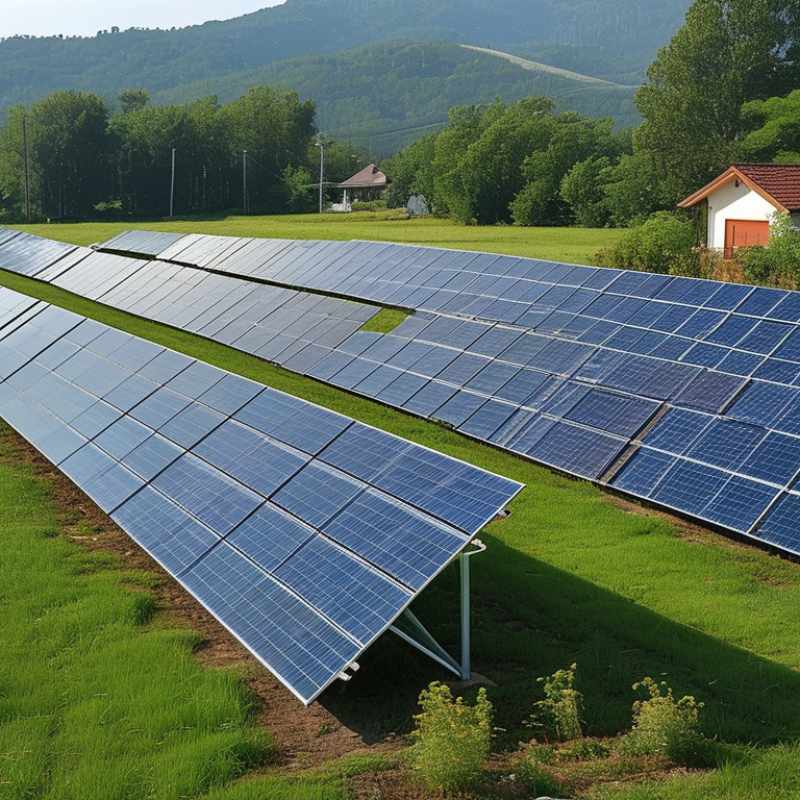
Understanding your energy consumption is essential when selecting an 8kW solar system. Your household energy needs determine how much power you will generate. Research shows that an average American household uses about 877 kWh per month. With an 8kW system, you can produce approximately 1,200 kWh monthly under optimal conditions. This could cover the majority of your energy needs, depending on your usage.
Several factors influence energy consumption. Family size plays a significant role. Larger families typically have higher energy needs. Additionally, the types of appliances you use, such as refrigerators and air conditioners, impact overall consumption. A single high-efficiency appliance can reduce energy costs significantly. It's crucial to assess your current usage through utility bills. Consider seasonal variations as well—air conditioning in summer leads to spikes in energy demands.
If the system is oversized, you may not utilize all the generated energy. This can result in wasted investment. Conversely, an undersized system will fall short, leading to higher utility costs. It's important to strike a balance based on reliable data. The Department of Energy suggests reviewing energy audits and consumption patterns. Gathering this information shapes an informed decision tailored to your unique needs.
When considering an 8kw solar system, evaluating your space requirements is crucial. An 8kw system typically requires around 25 to 35 square meters of roof space. This can vary based on the efficiency of the solar panels chosen. Most residential panels today have an efficiency rating between 15% to 22%. More efficient panels can save valuable space while still meeting energy needs.
In urban areas, available roof space might be limited due to surrounding buildings or differing roof orientations. Each installation requires adequate sunlight exposure for optimal performance. According to the National Renewable Energy Laboratory, a system receiving full sun for six hours daily can produce about 40 kWh per day, making site analysis essential.
It's also worth reflecting on the layout of your space. Obstructions, like chimneys or satellite dishes, can reduce the usable area. Homeowners should consider future growth. If expanding solar capacity may be a goal, leave room for additional panels. This foresight can save time and money down the road. Thus, carefully assessing your space today ensures an effective solar solution tomorrow.
When selecting components for your 8kw solar system, it’s crucial to focus on efficiency and compatibility. A reliable solar inverter is vital. The inverter converts solar energy into usable power. A high-efficiency inverter can boost your overall system output by 10-15%. Research shows that low-quality inverters can significantly lower system performance over time.
Next, consider the solar panels themselves. Monocrystalline panels tend to offer higher efficiency compared to polycrystalline options. Typically, monocrystalline panels have an average efficiency rate of around 20-22%. In contrast, polycrystalline panels commonly range between 15-17%. This difference can affect long-term energy production. Choosing high-quality panels ensures better performance, but be cautious of price variations. Sometimes, cheaper options compromise on quality.
Lastly, pay attention to the mounting systems and battery storage solutions. A sturdy mounting system ensures panels remain securely attached, even in harsh weather. Battery storage allows for energy use during non-sunny periods, providing greater reliability. Evaluate your energy needs carefully. Skimping on any components can lead to decreased performance or increased costs in the future. Always prioritize quality and compatibility for optimal results.
Investing in an 8kW solar system can significantly reduce your electricity bills. However, it's crucial to evaluate the financial aspects before making a decision. Analyze your current energy consumption to estimate potential savings. Consider how much sunlight your location receives. Regions with less sunlight might not yield the same savings as sunnier areas. Understanding your local electricity rates can also help quantify these savings.
Financing options play a vital role in the overall cost. Solar loans, leases, or power purchase agreements each have different implications for your budget. Calculate the total cost of installation and possible incentives, such as tax credits or rebates. Keep in mind that installation can come with unexpected expenses. Hidden fees or maintenance costs may arise over time, so it’s wise to plan for them.
Moreover, pay attention to payback periods. It typically ranges from five to ten years. If you move before this period ends, you may not fully benefit. Don’t forget to assess the longevity of the solar panels and warranties offered. Quality matters in ensuring long-term efficiency and reliability. As you navigate these financial aspects, reflecting on your long-term energy goals can guide your choices effectively.
| Financial Aspect | Estimated Cost (USD) | Potential Savings (Annual) | Payback Period (Years) | Tax Incentives |
|---|---|---|---|---|
| 8kW System Installation | $15,000 | $2,000 | 7.5 | 30% Federal Tax Credit |
| Maintenance Costs (Annual) | $300 | N/A | N/A | N/A |
| Grid Electricity Savings | N/A | $1,500 | N/A | N/A |
| Increased Home Value | N/A | $12,000 | N/A | N/A |
| Overall Return on Investment | N/A | $15,000 in 7.5 years | N/A | N/A |
When considering an 8kw solar system, consulting professionals is crucial. Experts can assess your specific energy needs. They evaluate your location, roof orientation, and energy consumption patterns. This comprehensive analysis ensures you choose a system that maximizes efficiency. Many people underestimate the importance of this step.
Professional consultants bring valuable experience to the table. They stay updated with current technology trends and install practices. This knowledge helps prevent common mistakes. For instance, selecting the wrong inverter size or panel type can drastically reduce performance. Having an experienced professional by your side can avoid these pitfalls.
Additionally, effective communication with professionals is vital. Be prepared to discuss your energy bills, future energy needs, and budget. Sometimes, cost concerns can overshadow essential details. Addressing this early can lead to better long-term savings. Collaborating with experts offers peace of mind and a chance to reflect on your choices. Balancing cost with efficiency is key when selecting an 8kw solar system.