#4 – 20133 102nd Avenue, Langley, B.C. V1M 4B4 Canada

#4 – 20133 102nd Avenue, Langley, B.C. V1M 4B4 Canada
Choosing the right galvanized nails for your project can be tricky. It’s essential to understand their benefits. Galvanized nails are coated with zinc to prevent rust. This makes them ideal for outdoor use. They can withstand the elements better than standard nails.
However, not all galvanized nails are created equal. Different projects require different specifications. Factors like size, type, and finish matter. For example, thicker nails provide better holding strength. Meanwhile, smaller nails are easier to drive into tight spaces.
Consider what materials you’ll be working with. Wood, metal, or concrete all have different requirements. Reflect on your project goals. Are you seeking durability or flexibility? Understanding these elements will guide your selection process. Galvanized nails are a valuable tool when chosen correctly. Just make sure to assess your needs first.
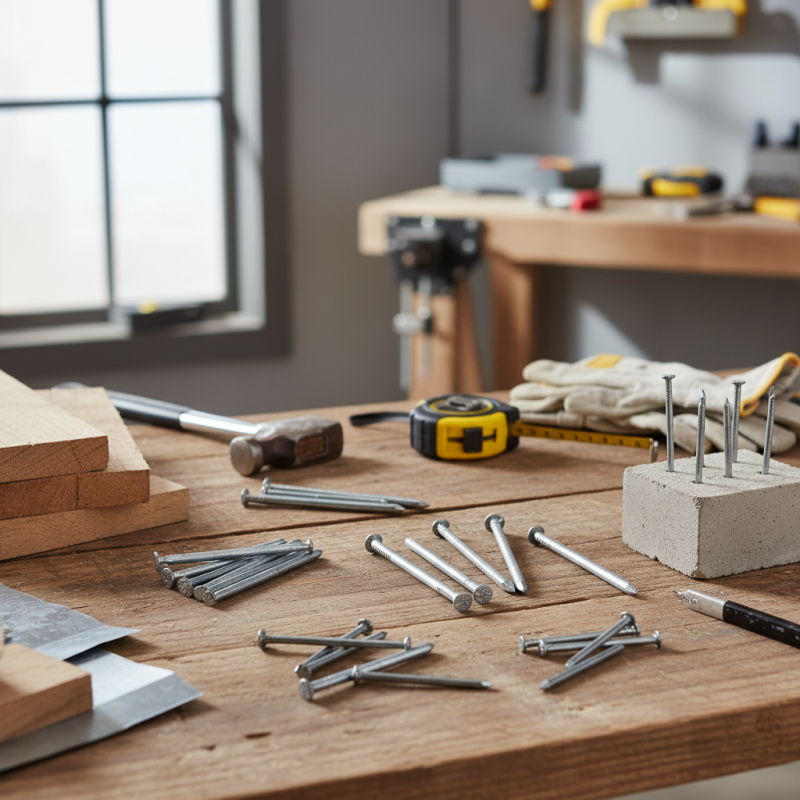
When selecting galvanized nails, it's essential to understand the types and coatings available. Galvanized nails are coated with zinc to prevent rust and corrosion. The two main coatings are hot-dip and electro-galvanized. Hot-dip nails undergo a more robust zinc coating process. This gives them higher corrosion resistance, making them suitable for outdoor use. Reports show that hot-dip galvanization can extend the lifespan of nails by up to 50 years under the right conditions.
Electro-galvanized nails have a thinner coating. Their protective layer may wear off more quickly, so they are best for indoor projects. Consider the environment where you'll use the nails. Moist environments require stronger coatings. If you are uncertain about exposure levels, increasing the coating thickness might be a wise choice.
Tips: Always check the coating thickness on the label. This simple step can save you from future rust issues. Selecting the wrong type can lead to costly repairs. Employees in the construction sector recommend assessing your project’s specific needs before making a choice. Don’t overlook the details. A small mistake can lead to significant problems later.
Choosing the right gauge and length of galvanized nails is crucial for the success of your project. The gauge of a nail refers to its thickness. A lower gauge number indicates a thicker nail. For most woodworking projects, a gauge between 16 to 18 is ideal. This range offers a good balance of strength and flexibility. For heavier applications, such as framing, consider going down to a 10 or 12 gauge.
The length of the nail is just as important. It should penetrate the material both securely and deeply. A general rule is to use a nail length that is three times the thickness of the material being joined. For instance, if joining two pieces of wood that are each 1 inch thick, a 3-inch nail is appropriate. Avoid using nails that are too short or too long. They can compromise the integrity of your structure.
Tips: Always keep in mind the type of material you’re working with. For softer woods, a shorter nail may suffice. For dense hardwoods, a longer nail provides added support. Consider the environment, too. Nails should resist rust and corrosion for outdoor projects.
Another tip: Don't rush the choice. Testing a few different nail sizes can help identify the best fit for your project. Proper evaluation saves headaches down the line. Remember, what works for one project may not work for another.
When selecting galvanized nails for your project, it's essential to consider corrosion resistance. The ASTM standards provide a framework to evaluate the durability of these nails. Various grades signify different levels of protection against rust and corrosion. Standard ASTM A153, for instance, details coatings that help nails resist environmental conditions.
Understanding these standards can be overwhelming. Some projects demand specific characteristics that relate to humidity or exposure to chemicals. A low-quality nail might rust quickly, leading to structural issues. This could mean replacing nails sooner, which is not ideal.
Analyzing project needs helps refine choices. Not all projects require the same level of protection. For indoor use, less stringent standards might suffice. However, outdoor applications should prioritize nails with higher corrosion resistance. Proper research ensures that the right nails are chosen, thus supporting the longevity of your work.
When selecting nails for a project, knowing the right type is crucial. Galvanized nails are popular for their resistance to rust and corrosion, making them ideal for outdoor use. This is especially important in regions with high humidity or exposure to elements. Reports from the National Association of Home Builders show that using the appropriate fastener can extend the life of your project by up to 30%.
Consider the application. For example, if you're working with treated lumber, using galvanized nails is a must. The chemicals in treated wood can lead to faster corrosion of non-galvanized nails. On the other hand, if you're fastening interior materials, standard nails may suffice. Their lower cost can be beneficial, but weigh this against the potential long-term effects on the integrity of your work.
Tips: Always match the nail type to your project's specific needs. If the area is prone to moisture, err on the side of caution and use galvanized nails. Also, assess your overall budget. It might be tempting to cut costs, but remember: cheaper options can lead to expensive repairs. Think twice about the environment your project faces. It’s not always about saving money upfront; sometimes, investing a little more pays off in the long run.
When selecting galvanized nails, cost-effectiveness is often a key consideration. The market shows a significant variance in price points. On average, galvanized nails can range from $0.05 to $0.25 per nail, depending on size, quantity, and supplier. A study by the National Association of Home Builders indicates that bulk purchases can reduce individual costs by up to 30%.
Prices are often influenced by coating thickness and production methods. For instance, hot-dipped galvanized nails typically cost more due to their durability. However, they may not always be necessary, depending on project demands. A homeowner might opt for electro-galvanized nails for lighter projects, saving money upfront. Yet, this choice requires careful consideration of long-term performance.
Certain reports indicate that low-quality options may lead to rust issues within a few years. The initial savings can be deceptive, resulting in higher replacement costs down the line. Consumers should weigh immediate costs against longevity. Investing extra upfront can sometimes prevent future expenses, often overlooked by many DIY enthusiasts.
| Nail Type | Size (inches) | Price per 100 pcs (USD) | Coating Type | Ideal Use |
|---|---|---|---|---|
| Common Nails | 1.5 | 5.00 | Hot-Dipped | Framing |
| Roofing Nails | 1.25 | 6.50 | Electro-Galvanized | Roof Installation |
| Decking Nails | 2.5 | 7.00 | Hot-Dipped | Deck Construction |
| Finish Nails | 2 | 8.00 | Electro-Galvanized | Trim and Molding |
| Concrete Nails | 3 | 10.00 | Hot-Dipped | Concrete and Masonry |