#4 – 20133 102nd Avenue, Langley, B.C. V1M 4B4 Canada

#4 – 20133 102nd Avenue, Langley, B.C. V1M 4B4 Canada
Choosing the right injection mold manufacturing process is crucial for any production project. This decision impacts costs, efficiency, and product quality. Various factors come into play when selecting the appropriate method.
Consider the complexity of your design. Simple shapes may require basic molds, while intricate designs demand advanced techniques. The choice of materials also matters. Some processes cater better to specific materials than others.
Mistakes in choosing the wrong process can lead to wasted time and resources. Evaluate all options thoroughly. Think about your production volume. High volumes may benefit from more advanced processes, while lower quantities may suit simpler methods. The right choice is not always obvious. Be ready to assess your needs carefully.
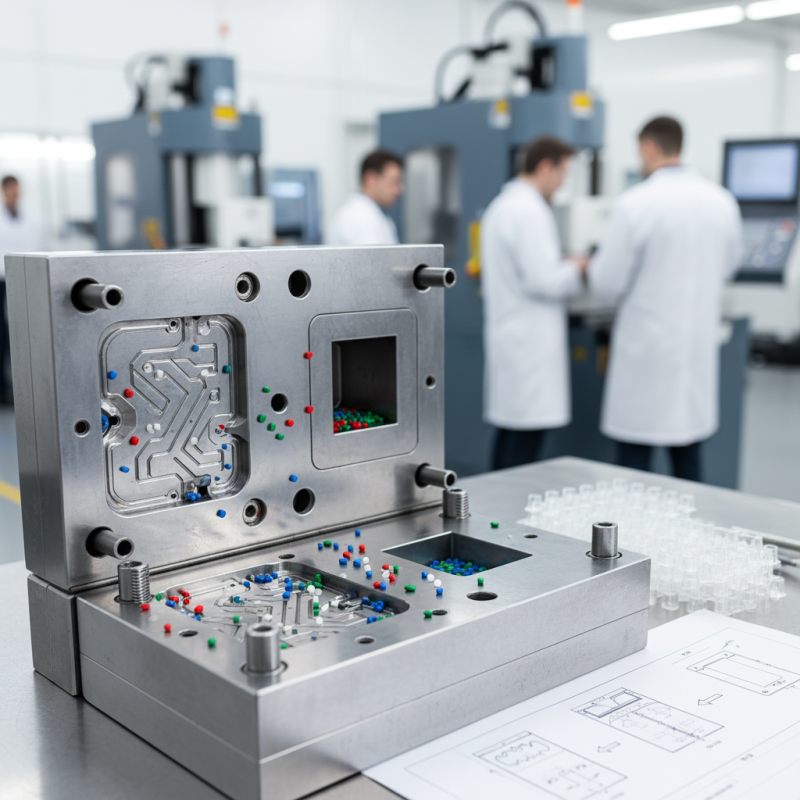
Injection molding is a prevalent manufacturing process used to create a variety of plastic parts. It's critical to understand the different types of injection molding available. For instance, conventional injection molding is ideal for high-volume production, while gas-assisted injection molding minimizes material usage and may enhance part quality. Industry data indicates that over 30% of manufacturers now employ advanced techniques to reduce cycle time and costs.
The choice of the right process hinges on the specific application. Different processes cater to various needs, such as flexibility, complexity, or surface finish. According to a recent report, nearly 40% of manufacturers faced challenges in selecting appropriate processes. Factors like part geometry and material characteristics are essential. Ignoring these could lead to inefficiencies.
Moreover, environmental considerations are increasingly shaping decisions. Eco-friendly materials are gaining traction, influencing both sustainability and cost. A study revealed that companies utilizing sustainable practices often experience a 20% reduction in operational costs. Yet, transitioning to greener methods can be daunting. Manufacturers must reflect on their strategies and adapt to evolving market demands.
| Process Type | Materials Used | Cycle Time | Typical Applications | Cost Efficiency |
|---|---|---|---|---|
| Thermoplastic Injection Molding | ABS, Polycarbonate, Nylon | 15 - 60 seconds | Consumer Goods, Automotive Parts | High |
| Thermoset Injection Molding | Epoxy, Phenolic Resins | 30 - 120 seconds | Electrical Components, Automotive | Moderate |
| Gas-Assisted Injection Molding | Polyethylene, Polypropylene | 20 - 80 seconds | Hollow Parts, Packaging | High |
| Multi-Shot Injection Molding | Silicone, TPE | 25 - 70 seconds | Complex Geometries, Ergonomic Handles | Moderate to Low |
| Insert Molding | Various Metals, Plastics | 30 - 90 seconds | Electronic Parts, Mechanical Components | High |
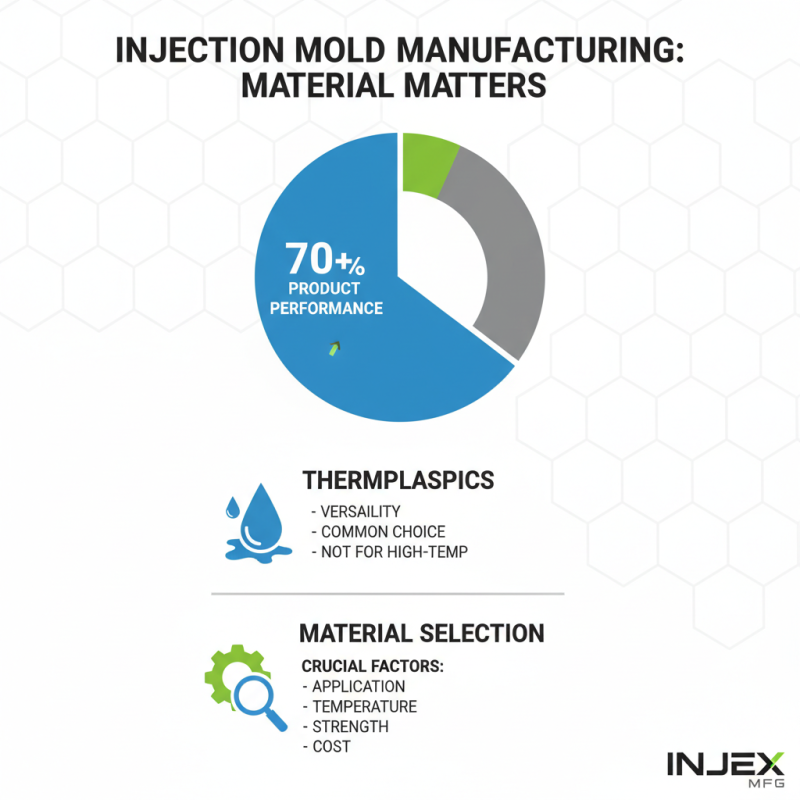
Choosing the right injection mold manufacturing process requires careful consideration of various factors. Material selection is crucial. According to industry reports, over 70% of product performance depends on the chosen material. For instance, thermoplastics are often preferred for their versatility. But they may not suit every application, particularly high-temperature scenarios.
Cost is another critical factor. Data shows that nearly 60% of projects exceed their budgets. A detailed cost analysis, including tooling and production expenses, can mitigate financial risks. Companies often overlook hidden costs that arise during the mold's lifecycle. Inconsistent quality can also lead to costly rework.
Lead times must be evaluated as well. Reports indicate that about 30% of manufacturers experience delays due to inefficient processes. Sometimes, faster methods compromise quality. Balancing speed with precision is a common challenge. Each decision made can have a lasting impact on the project's success, so careful evaluation is essential.
When selecting an injection mold manufacturing technique, understanding the options is crucial. Common methods include cold runner, hot runner, and 3D printing. Each has unique advantages and drawbacks. Cold runner systems are simple but can lead to waste. Hot runner systems reduce waste, yet they are more complex and costly to maintain.
3D printing is a newer method that can build molds quicker. However, it may not always provide the strength required for mass production. The choice heavily influences production speed and cost. Sometimes, the initial cost savings can lead to higher expenses later on. Evaluating total production needs, not just upfront costs, is essential.
Every method also requires expert knowledge. A lack of understanding can result in flawed designs. Mistakes can lead to delays and increased costs. Ultimately, weighing these factors ensures the chosen process aligns best with project goals.
Choosing the right injection molding process hinges significantly on material compatibility. Different processes, such as thermoplastic injection molding and thermoset molding, require specific materials for optimal performance. According to a 2022 report from the Plastics Industry Association, over 70% of manufacturers choose materials based on their properties, including strength, flexibility, and heat resistance.
Understanding these characteristics is crucial. For instance, PVC might be perfect for rigid components, but it cannot withstand high temperatures like polycarbonate can. Mismatched materials can lead to failures. This issue often arises in early design stages, causing delays and increasing costs.
Furthermore, recent studies indicate that nearly 40% of injection mold failures are due to material incompatibility. This statistic raises a red flag for designers. It’s essential to conduct thorough material assessments during the design phase. Failing to do so not only affects product performance but could compromise safety. Manufacturers must prioritize compatibility and choose wisely.
Selecting the right injection mold manufacturing process requires careful consideration of costs and benefits. Each option has its strengths, yet the differences can impact your project’s budget significantly. For instance, standard machining might offer lower initial costs. However, higher cycle times could raise the overall expense. It’s vital to evaluate both upfront costs and long-term production rates.
On the other hand, additive manufacturing methods can save time in prototyping. They might seem appealing, but material costs can add up quickly. This approach often requires a balance between speed and sustainable pricing. When analyzing costs, consider maintenance and tooling requirements too. Hidden expenses can scale up the budget unexpectedly.
A detailed assessment often reveals trade-offs that require reflection. For example, choosing a more expensive material might yield better durability. Yet, if your project demands frequent redesigns, the cost savings from using cheaper options may outweigh initial investments. Finding the right fit is critical, as each decision impacts your bottom line and production efficiency.