#4 – 20133 102nd Avenue, Langley, B.C. V1M 4B4 Canada

#4 – 20133 102nd Avenue, Langley, B.C. V1M 4B4 Canada
Choosing the right Square Steel Pipe can significantly impact your project outcomes. Understanding your requirements is crucial. Whether you need it for construction, manufacturing, or automotive applications, the specifications vary greatly.
Several factors come into play. Dimensions and wall thickness are key considerations. The type of steel used also affects strength and durability. Many options exist, but not all are suitable for every application. For instance, galvanized steel provides corrosion resistance, which may be vital in specific environments.
It's important to consult with experts or manufacturers when selecting. They can offer valuable insights based on experience. Don't overlook your unique project needs. Choosing incorrectly could result in safety issues or increased costs. Thus, careful evaluation is necessary. Embrace a thoughtful approach as you navigate your choices.
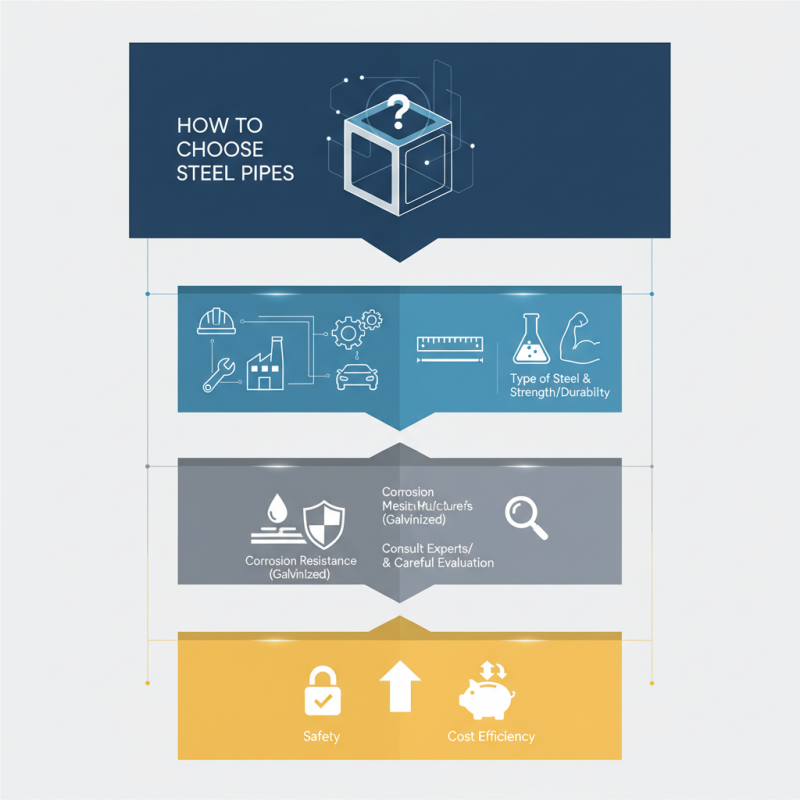
When selecting a square steel pipe, understanding the types available can greatly affect your project. Square steel pipes typically come in various grades, sizes, and wall thicknesses. Common grades include mild steel, stainless steel, and carbon steel. Each has distinct properties and uses. For instance, stainless steel offers excellent corrosion resistance, making it ideal for environments prone to moisture.
Choosing the right type is not always easy. Consider the application and environment. If you're building outdoor structures, opt for thicker walls to improve strength. For decorative features, lighter materials can suffice. Pay attention to the weight and flexibility of the pipe as well.
Tips: Always check for certifications and specifications when purchasing. This ensures quality and reliability. Your project safety may depend on the choices you make. Consult with experts if unsure about the best option. Gather multiple quotes to compare prices and features. This could help you make a more informed decision.
When selecting square steel pipes, evaluating material specifications is crucial. The structural integrity depends on the pipe’s thickness and alloy content. A thicker wall often provides better strength. However, it could also add unnecessary weight. This trade-off can affect handling and installation.
Understanding the types of steel is important. Different grades have varying properties. For instance, carbon steel is durable, but it may rust if not treated. Stainless steel is resistant to corrosion, making it ideal for outdoor use. However, the cost can be significantly higher.
It's also essential to consider the intended application. Pipes used in construction require strict adherence to safety standards. Misjudging this can lead to failures or accidents. Take the time to research, even if it seems tedious. Engaging with industry experts can help clarify doubts. This ensures you choose a product that meets your specific requirements.
When selecting a square steel pipe, understanding the dimensions and weight requirements is crucial for any project. Each project has unique needs, and the size of the pipe significantly affects its functionality and durability. For instance, a pipe that is too narrow may compromise structural integrity, while a pipe that is overly large could lead to unnecessary weight and costs.
Weight considerations are equally important. Heavier pipes can provide better stability but may be more challenging to handle and install. Evaluating the load capacity of the pipe should match your project’s specifications. For example, consider the environment where the pipe will be used. Will it support heavy machinery or lighter structures? This choice impacts your safety and efficiency.
While it might seem straightforward, balancing dimensions and weight often requires careful thought. It can be tempting to choose the readily available option or simply follow industry norms. However, reflecting on the project requirements will lead you to a more tailored solution. Overlooking these details might result in setbacks. Every project deserves a well-considered approach to material selection.
Choosing the right square steel pipe starts with understanding your application needs. The difference between structural and decorative uses can shape your decision significantly. According to a report by the Metal Construction Association, about 70% of all steel is used in structural applications. These applications require pipes that can bear loads and withstand environmental stress. Selecting the correct wall thickness, for example, is crucial for maintaining integrity under pressure.
For decorative uses, the aesthetic appeal becomes paramount. Aesthetics can vary greatly depending on the finish and dimensions of the pipe. Data from the American Institute of Steel Construction indicates that a growing trend is the use of square steel pipes in modern architecture. Designers often use these pipes to create unique visual accents. When choosing for decorative purposes, the size and finish should complement the overall design intent.
Even so, imperfections in manufacturing can lead to unexpected challenges. Slight variations in dimensions may affect fitting compatibility. This highlights the importance of verifying the specifications before purchase. Accurate measurements and reliable suppliers can mitigate these risks. Balancing structural integrity with design appeal requires careful consideration and insight into both applications.
When selecting square steel pipes, understanding quality standards and certifications is essential. The American Society for Testing and Materials (ASTM) sets key standards for steel products. Commonly, ASTM A500 and ASTM A36 are significant certifications. A500 focuses on structural quality, while A36 relates to carbon steel used widely in construction. These designations ensure that materials meet specific strength and durability requirements.
According to a recent industry report by the International Organization for Standardization (ISO), approximately 75% of steel pipes fail to meet necessary quality benchmarks. This reality highlights the importance of checking certifications. Quality checks may include tensile strength tests, corrosion resistance evaluations, and dimensional inspections. Steel pipes stamped with proper certifications indicate compliance with rigorous tests, enhancing reliability for structural applications.
Additionally, evaluating the source of materials is vital. Some manufacturers may prioritize cost over quality. Relying solely on price may lead to subpar performance. It is crucial to research suppliers and verify their adherence to relevant standards. Ultimately, choosing the right square steel pipe requires diligence and a clear understanding of the quality factors involved.