#4 – 20133 102nd Avenue, Langley, B.C. V1M 4B4 Canada

#4 – 20133 102nd Avenue, Langley, B.C. V1M 4B4 Canada
Choosing the right Cnc Screw Machine begins with the parts you actually make, not the machine’s headline speed. A shop producing brass fittings by the thousands has different needs from one running short batches of stainless-steel components. Bar diameter, part length, tolerances, material, and daily volume all shape the decision. Small details matter. A difficult setup can erase the time saved by a faster cycle.
CNC educator John Saunders’s practical approach can be paraphrased this way: “Choose the machine around the part, process, and production goal—not the brochure.” Treat that as a selection principle, not a verbatim quotation. Use it to compare machine capacity, spindle configuration, tooling, and control features against real production requirements. Ask how quickly operators can change jobs, source replacement components, and maintain accuracy across a full shift. A glossy specification sheet cannot answer every shop-floor question.
The best choice is rarely the machine with the most options. It is the one that consistently makes acceptable parts at a workable cost. Request a sample run using your material and a representative drawing. Check surface finish, cycle time, chip control, and setup effort. Then consider operator training, service access, and the supplier’s response when a spindle stops. Be cautious with promised output figures; they may assume ideal conditions. Even a careful comparison can miss something. That is worth admitting. A Cnc Screw Machine should fit your present work while leaving sensible room for the jobs you expect next.
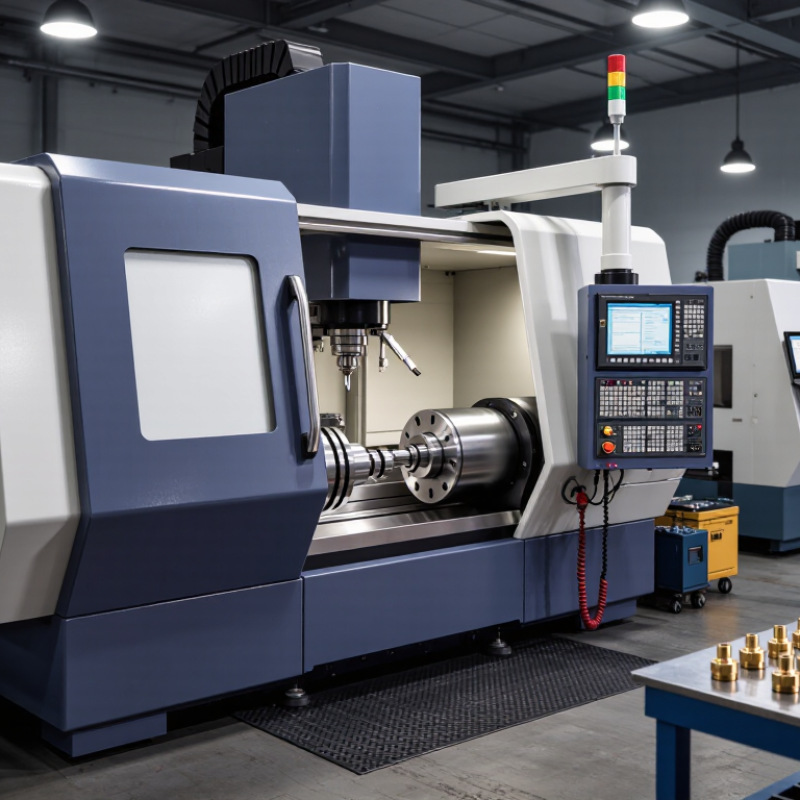
Before comparing CNC screw machines, define the parts you need to make. Record each part’s material, maximum diameter, overall length, and critical tolerances. A brass fitting with a narrow bore may need different tooling from a long stainless-steel pin. Note the features that matter most, such as cross-holes, threads, or a smooth sealing surface. Bring an actual drawing, not just a verbal description. Small omissions can lead to the wrong machine configuration.
Production goals matter just as much as part geometry. Estimate annual volume, batch size, expected shifts, and how often designs may change. High, steady demand may justify a setup built for short cycle times, while frequent changeovers call for practical flexibility. Check bar capacity, number of tool stations, and whether the machine can perform required operations in one setup. Ask how setup time and tool replacement affect real output. The estimate may be imperfect; revise it when production data arrives.
Tips: List must-have features separately from nice-to-have options. Ask an experienced operator to review the part drawing and estimate setup steps. Leave room for inspection and chip handling. A fast cycle is useful, but only if parts stay within tolerance.
| Decision Dimension | What to Define | Example Production Requirement | Machine Selection Implication |
|---|---|---|---|
| Part envelope | Maximum and minimum part diameter, overall length, and any features that must be machined from the bar. | A turned component with a 12 mm maximum diameter and a 45 mm finished length. | Choose a bar capacity and working envelope that accommodate the stock and finished part, while allowing for cutoff and workholding needs. |
| Material | Specify the exact alloy or material grade, condition, hardness, and whether the stock is bar, wire, or pre-cut blank. | Free-machining steel, stainless steel, brass, or aluminum bar stock. | Confirm spindle power, tooling, coolant, chip control, and cutting data are suitable for the material. Stainless steel may require different tooling and process settings than brass. |
| Part geometry | List turned diameters, shoulders, grooves, threads, cross-holes, flats, slots, and required back-working features. | A small shaft with two diameters, an external thread, and a cross-drilled hole. | Simple turned geometry may suit a basic configuration. Multiple side features or work on both ends may call for live tooling, a sub-spindle, or additional stations. |
| Tolerances and finish | Identify critical dimensions, geometric tolerances, surface-finish requirements, and inspection methods. | A critical diameter controlled to ±0.02 mm, with a specified surface finish on a bearing surface. | Assess machine condition, thermal stability, tooling, workholding, process capability, and measurement strategy. Confirm achievable capability with a production trial. |
| Annual and lot volume | Estimate annual demand, typical lot size, delivery schedule, and expected mix of part numbers. | 200,000 parts per year in repeat production, or several smaller lots across a broad part family. | High, stable demand can justify investment in automation and dedicated tooling. Lower or variable demand may favor easier setup and flexible programming. |
| Cycle-time target | Define the required output rate and whether the target includes loading, inspection, tool changes, and downtime. | A target of 30 finished parts per minute, subject to validation on the actual part and material. | Compare complete process cycle times, not just cutting time. Simultaneous operations and reduced handling may improve output, but the result depends on part geometry and process conditions. |
| Bar capacity and feeding | Specify stock diameter, bar length, straightness, remnant requirements, and the planned loading method. | Continuous production from long bar stock with unattended running between operator checks. | Match the feeder to the machine's approved bar range and material. Consider floor space, bar support, noise, material handling, and safe replenishment. |
| Machine configuration | Determine whether the part needs single-spindle turning, multiple spindles, gang tooling, a sub-spindle, or live tooling. | A component requiring front turning, rear-end machining, and a radial milled feature. | Select the simplest configuration that completes the required operations efficiently. More axes or spindles can reduce handling but may increase setup and maintenance complexity. |
| Tooling and changeover | Estimate the number of tools, expected tool life, setup frequency, and need for quick changeovers. | Several part numbers share similar diameters but require different thread forms and groove locations. | Check tool capacity, adjustment access, presetting options, program management, and the time required to change between part families. |
| Quality and traceability | Define inspection frequency, critical-to-quality features, documentation, and any required lot or material traceability. | In-process checks for critical diameters, with recorded inspection results for each production lot. | Plan for suitable gauges or measurement equipment, process monitoring, sampling, and data handling alongside the machine purchase. |
| Factory requirements | Check available floor space, electrical supply, compressed air, coolant management, chip handling, and operator access. | A production cell with limited floor space and a centralized coolant and chip-management system. | Verify installation requirements and the full cell footprint, including the bar feeder, service access, chip conveyor, and material staging area. |
| Total operating cost | Estimate purchase and installation costs, tooling, maintenance, energy, labor, and expected uptime. | A comparison based on cost per accepted part over the planned service life. | Evaluate total cost of ownership and production risk, not purchase price alone. Include training, service availability, spare parts, and planned maintenance. |
Selection note: Machine capability, cycle time, and achievable tolerances depend on the specific part, material, tooling, setup, and operating conditions. Confirm critical requirements with a supplier review and a representative production trial.
Start with the material, not the machine brochure. Brass, aluminum, carbon steel, and stainless steel cut differently, affecting cycle time, tool wear, and chip control. Hardness matters. Note whether the stock arrives as bar, tube, or an unusual shape. Ask for the exact grade and condition; “steel” alone is not enough for a reliable process estimate.
Compare the part dimensions with the machine’s bar capacity and working length. Record the maximum diameter, overall length, and any cross-holes, flats, or grooves. Long, narrow parts may need extra support and careful chip evacuation. Tight features can make a small component surprisingly challenging. A common mistake is choosing by maximum diameter alone.
Set tolerances according to how the part functions and fits with neighboring components. Mark critical dimensions clearly, and avoid applying very tight tolerances to every feature without a reason. That can increase machining and inspection costs. Ask the supplier to confirm achievable tolerances for the selected material, geometry, and production volume. Review inspection methods, too: a precise drawing is only useful when the finished parts can be measured consistently. Trial parts may reveal that an early assumption needs adjustment.
Choosing a CNC screw machine starts with the part’s shape, size, and production volume. A Swiss-type machine supports slender work close to the cutting tool, helping reduce deflection on long, narrow components. That support matters. It can suit small shafts with tight diameter tolerances, though setup and programming may take more care.
A fixed-headstock machine is often a practical fit for shorter, sturdier parts and a wider range of bar diameters. It may offer simpler access for tool changes, but long, thin work can vibrate if support is inadequate. Single-spindle configurations allow flexible operations and straightforward adjustments. Multi-spindle machines can produce high volumes efficiently, but they need balanced workloads across stations.
Speed has a cost.
Compare the machine’s bar capacity, available tool stations, and cutting-tool clearance with an actual part drawing. A part with cross-holes or several turned diameters may need live tooling or more stations. Check the expected cycle time, too, rather than relying only on a supplier’s estimate. A configuration that looks efficient on paper can feel awkward during a real setup. That is worth testing with a representative part and material before committing.
How to Choose the Best CNC Screw Machine?
Match capacity to the parts you actually run. Check maximum bar diameter, turning length, spindle speed, and whether a bar feeder fits your floor space. Then compare these limits with your largest part and typical batch size. For precision, ask for axis-positioning and repeatability test results. ISO 230-2 provides a recognized method for testing numerically controlled machine-tool axes. A tight tolerance on a drawing is not proof the process will hold it across a full shift.
Tooling affects both cycle time and setup effort. Count the stations you need, and check whether live tools can mill cross-holes without a second operation. Look closely at coolant delivery and chip evacuation; curled chips around a small part can interrupt production. Automation matters too. Deloitte and MAPI’s 2019 survey of 600 manufacturing executives found that 86% expected smart-factory solutions to become a primary competitiveness driver within five years. Still, automation features alone do not guarantee uptime. Ask to see maintenance records or a representative production run. Spec sheets can flatter a machine.
Tips: Bring a real part drawing and a sample material to the supplier’s test. Request cycle-time and changeover estimates, then verify them on the shop floor. Include operator access and service space in your layout. These details are easy to overlook.
Start with the maximum bar-stock diameter required for your parts. These common nominal stock sizes are shown in millimeters; the inch equivalents are provided in the chart tooltips. They are material-size references, not machine capacity specifications.
Choose a machine whose rated bar capacity accommodates your largest stock size, and verify compatibility with the bar feeder. Then confirm that its demonstrated accuracy meets your part tolerances under realistic cutting conditions. Check that the available tool stations and live tooling support your operations, and compare automation options such as bar feeding and part handling against your production volume and changeover needs.
A CNC screw machine is only as dependable as the support behind it. Ask how quickly a technician can respond, which parts are stocked locally, and whether remote troubleshooting is available. Request a sample service log, not just a polished demonstration. Deloitte and MAPI’s 2024 Smart Manufacturing Survey found that 86% of surveyed manufacturing executives viewed smart manufacturing as a competitiveness driver over the next five years. For a buyer, that makes controls support and useful machine data worth checking, not assuming.
Downtime hurts.
Compare operating costs over a realistic production year. Include tooling, power, coolant, maintenance labor, and changeover time—not only the purchase price. The U.S. Department of Energy’s 2010 Operations & Maintenance Best Practices guide reports potential energy savings of 5–20% from improved operations and maintenance; that is facility-level guidance, not a CNC-specific guarantee.
Check reliability claims against service records, uptime definitions, and the conditions under which tests were run. Ask to see a similar part being produced, then note cycle time and tool changes. This check is imperfect. A supplier’s figures may not match your shifts, materials, or operators, so leave room for doubt and verify them with a trial run.