#4 – 20133 102nd Avenue, Langley, B.C. V1M 4B4 Canada

#4 – 20133 102nd Avenue, Langley, B.C. V1M 4B4 Canada
Choosing the right Roll to Roll UV Printer can be a daunting task. With various options and technologies available, it’s essential to make an informed decision. According to industry expert Mark Thompson, “The right printer should enhance your workflow and quality, not complicate it.” This highlights the importance of selecting a printer that fits your unique needs.
When evaluating Roll to Roll UV Printers, consider factors such as print quality, speed, and cost-efficiency. Each printer has its strengths, and understanding these aspects helps in making the right choice. Some printers may excel in vibrant color reproduction while others may offer faster production times. However, sometimes a machine with a great spec sheet may underperform in real-world settings.
Investing time in research and hands-on testing is crucial. Many users overlook the practical performance of a printer compared to its advertised capabilities. Building a shortlist of potential printers can streamline the selection process. Ultimately, the goal is to find a Roll to Roll UV Printer that meets your production requirements and boosts your business output.
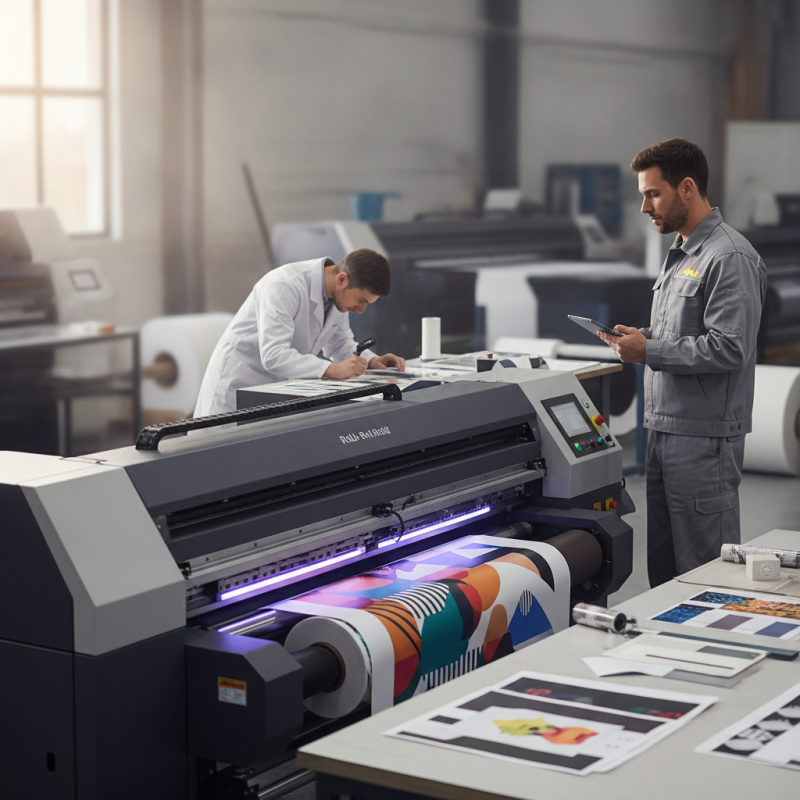
Understanding Roll to Roll UV printers highlights the crucial aspects of these advanced printing technologies. This type of printer operates on flexible substrates, offering versatility in materials. According to a recent market analysis, the demand for UV printing is expected to grow by over 15% annually until 2026. This growth stems from industries seeking high-quality, durable prints.
Roll to Roll UV printers utilize ultraviolet light to cure ink during the printing process, providing vibrant colors and sharp images. Many users report that the setup time can be longer than expected. Furthermore, maintaining consistent print quality across long runs requires careful calibration. Some printers may face limitations with thicker materials, which can affect productivity.
Market research indicates that businesses now prioritize eco-friendly solutions. Roll to Roll UV printers often use less energy and fewer volatile organic compounds (VOCs) compared to traditional methods. However, operators must be aware of potential adhesion issues. Properly preparing substrates is essential to achieving desired results.
Continuous learning and adaptation are key for optimizing performance and ensuring successful outputs in this evolving industry.
When choosing a roll to roll UV printer, several key features are essential for making an informed decision. Print quality is paramount. Look for printers with high DPI (dots per inch). Many industry reports recommend at least 1200 DPI for sharp images.
The speed of the printer also plays a crucial role. A printer that can output at least 100 square meters per hour may be necessary for high-demand projects.
Material compatibility is another critical factor. Not all UV printers can handle various substrates. Ensure the printer can print on materials relevant to your business, like vinyl, canvas, or paper. According to research, over 40% of operators reported issues with print adhesion on incompatible surfaces. This can lead to costly reprints.
Tip: Always check for user reviews and case studies that relate to your industry. These insights can uncover hidden challenges with specific models. Additionally, consider the ease of maintenance. A machine that is difficult to service can derail production. Regular maintenance should be straightforward to avoid downtime.
Assessing these features can guide your choice. The right roll to roll UV printer should enhance productivity without sacrificing quality.
Choosing the right roll to roll UV printer can be daunting. Print quality is often the most critical factor to consider. Resolution plays a vital role in determining the sharpness and clarity of the final product. Higher resolution can produce stunning details. However, resolution alone isn’t enough to evaluate performance. Speed is equally important, especially for high-volume production environments.
When assessing speed, think about your workflow. A printer that offers rapid output can boost productivity significantly. However, consider if the increased speed affects print quality. Sometimes, even minor compromises in quality can lead to dissatisfaction. Look closely at sample prints before making a decision. Reviewing print quality and speed together provides a more comprehensive understanding.
Users often overlook maintenance requirements in their decision-making. Regular upkeep can affect both speed and quality. Neglecting this aspect might lead to subpar results over time. Finding a balance between speed and print quality ensures optimal performance. Reflecting on your specific needs will guide you towards making the best choice.
When investing in a roll-to-roll UV printer, initial costs are crucial. Prices for these printers can range from $10,000 to $200,000, depending on specifications. A comprehensive report from Smithers Pira revealed that while initial costs are significant, they can vary widely based on capabilities and features. High-end models often provide better speed and quality, leading to potentially higher returns.
Operational expenses often extend beyond initial costs. Maintenance is one area often overlooked. Estimates suggest that maintenance can account for 10-15% of total operational costs annually. Moreover, ink costs fluctuate based on usage and substrate. A study indicated that ink expenses could represent over 30% of total running costs. Therefore, thorough analysis of these factors is vital.
Long-term planning is essential. The lifespan of a UV printer can reach up to seven years when maintained properly. Businesses should consider not just the purchase price but also how it integrates into their workflow. This integration can make a significant difference in productivity and, ultimately, profitability.
Careful calculations of both initial investments and ongoing expenses lead to informed decisions. Balancing these factors ensures a sustainable printing operation.
When considering a roll to roll UV printer, technical support and maintenance are key factors. Having access to knowledgeable support can make a significant difference in printer performance. Reliable operation is essential for any project. A breakdown can lead to costly delays and lost business opportunities.
Regular maintenance is often overlooked. Schedule routine inspections to ensure all components are functioning correctly. This proactive approach helps prevent larger issues. Tip: Keep a maintenance log for easy tracking of repairs and service history. It’s a simple way to stay organized.
User feedback is important. Understand common issues faced by others in your industry. This can guide your choices when selecting a printer. Additional Tip: Join online forums or user groups to get insights. Learning from others' experiences can save time and resources. Reflect on this; sometimes, avoiding common pitfalls is just as valuable as knowing best practices.