#4 – 20133 102nd Avenue, Langley, B.C. V1M 4B4 Canada
#4 – 20133 102nd Avenue, Langley, B.C. V1M 4B4 Canada
Choosing the best Spray Booth for your business is a critical decision that can impact productivity and product quality. According to industry reports, the global market for spray booths is expected to reach $1.5 billion by 2025, reflecting the growing need for efficient and safe painting solutions. A well-designed spray booth not only enhances workflow but also ensures compliance with safety regulations.
Many businesses overlook the importance of airflow, filtration systems, and booth size. A suitable spray booth can reduce paint overspray by up to 90%, significantly improving material usage. Quality booths also minimize VOC emissions, protecting both workers and the environment. Yet, entrepreneurs often face challenges in balancing initial costs with long-term benefits.
It’s essential to consider your specific operational needs and production goals. Investing in high-quality spray booths may require a higher upfront cost, but the return on investment can be substantial through increased efficiency and reduced waste. Selecting the right spray booth is not just about the purchase; it's about finding a solution that aligns with your business vision. Each choice must reflect your commitment to excellence and sustainability.
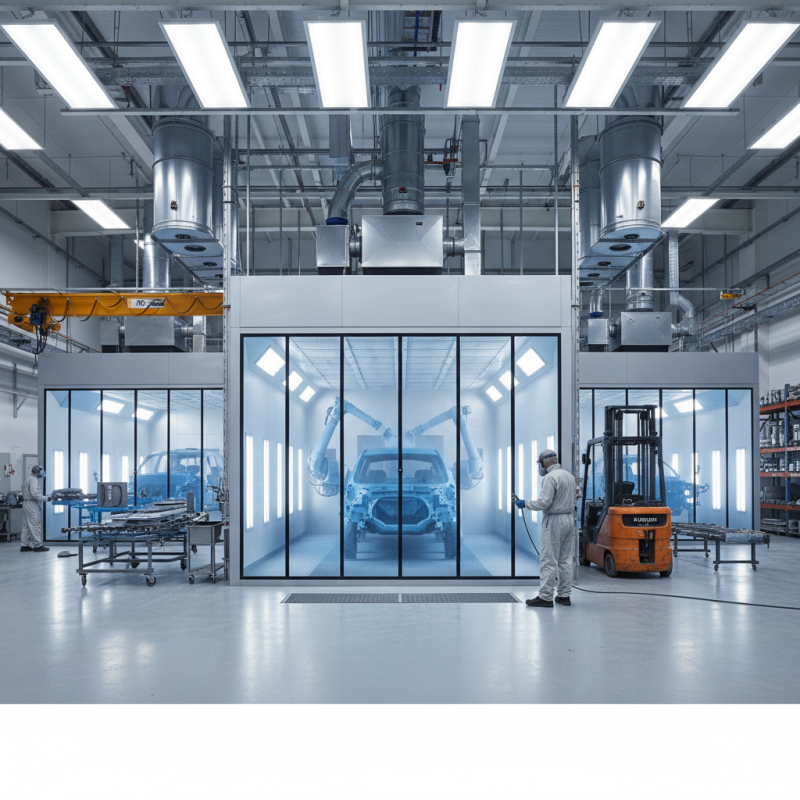
When selecting a spray booth for your business, consider key factors that influence performance and compliance. One critical aspect is the size of the booth. The right size ensures that you can accommodate various projects and provides sufficient airflow. According to industry reports, inadequate space can lead to inefficiencies and safety hazards.
Another important factor is the type of filtration system. A high-efficiency particulate air (HEPA) filter is essential for capturing airborne particles. Research indicates that booths with proper filtration improve air quality and protect workers. In fact, businesses with efficient systems report a 30% reduction in airborne contaminants. Always assess the filter replacements to avoid increased operational costs and downtime.
Tip: Regular maintenance is vital. Neglecting the booth can lead to inefficient operations and serious safety risks.
Temperature control is also crucial for drying and curing processes. A booth that can maintain consistent temperatures helps achieve better finishes. According to studies, uneven temperatures can result in defects, causing rework and material waste. Evaluate the heating systems included in the booth design.
Tip: Observe existing operations. Understanding past issues can guide your decision-making process.
Finally, consider compliance with local regulations. Ensure that your booth meets environmental and health standards. Non-compliance can lead to fines and operational halts. Selecting the right spray booth is not just a choice; it's a strategic decision affecting your business's efficiency and safety.
| Factor | Description | Importance |
|---|---|---|
| Size | The dimensions of the spray booth should fit the products you plan to work on. | High |
| Type of Finishing | Consider if you need a booth for wet paint, powder coating, or another coating method. | High |
| Ventilation | Proper airflow is essential to remove fumes and maintain safe working conditions. | Medium |
| Budget | Determine your budget as it will influence your options significantly. | High |
| Ease of Maintenance | Choose a booth that is easy to clean and maintain to prolong its lifespan. | Medium |
| Compliance with Regulations | Ensure the booth adheres to local and national safety and environmental regulations. | High |
| Portability | If needed, consider how easily the booth can be moved or relocated. | Low |
| Warranty and Support | Check for warranty options and customer support for maintenance and issues. | Medium |
When selecting a spray booth, understanding the different types available is crucial. Each booth serves specific needs based on industry requirements. The two main types are open face and enclosed spray booths. Open face booths allow for larger items to be painted easily. They are often more adjustable but can lead to overspray issues. Enclosed booths provide better contamination control. They are ideal for environments needing strict compliance with safety standards.
Another consideration is the type of exhaust system. Some booths have crossdraft, downdraft, and semi-downdraft systems. Crossdraft booths are typically more affordable but may not provide optimal air quality. Downdraft booths excel in cleanliness, as they pull air downward, reducing dust particles on surfaces. However, they can be more costly and require more setup space.
In addition, consider the materials and build. Steel structures are durable but can be heavy. Lightweight aluminum frames offer mobility but might not withstand heavy use. Assess these factors against your capacity and business needs. Reflect on whether your workflow aligns with your chosen booth type to avoid operational inefficiencies down the line.
When choosing a spray booth for your business, understanding your production volume is crucial. According to industry reports, a facility with a high production capacity typically needs a larger booth. A study by Global Market Insights noted that 60% of production facilities prefer booths with adjustable airflow to accommodate various project sizes. This adaptability can enhance efficiency and ensure quality.
Evaluating your business needs also involves assessing the variety of materials used. Companies working with diverse substrates may require specialized features in their spray booths. Data shows that about 78% of businesses report improved finish quality with equipment that matches their specific operational requirements.
Consider potential growth as well. Will your production volume increase in the coming years? Investing in a scalable solution may be wise. However, many businesses struggle with overestimating their needs. A report indicated that 40% of facilities operate with booths larger than necessary, which can lead to wasted resources. Balancing current demands with future aspirations can help you make a more informed decision.
When selecting a spray booth for your business, compliance with safety and environmental regulations is crucial. Numerous studies highlight that over 40% of businesses face penalties due to non-compliance. To avoid fines, understanding local regulations is essential. The U.S. Environmental Protection Agency (EPA) mandates specific standards for emissions, which vary by region. Always verify that your booth meets these standards.
Additionally, consider the booth's air filtration system. A good system reduces harmful VOC emissions by up to 98%, which promotes air quality and worker safety. However, an inadequate system can lead to dangerous accumulations of toxic substances in the workspace. Be aware that many businesses overlook proper maintenance schedules for these systems, which can compromise their effectiveness and lead to compliance issues.
Seek professional consultations to understand your specific compliance needs. Documentation is vital; regulators often require proof of adherence to safety protocols. Investing in compliance not only enhances your business reputation but may also improve operational efficiency. As regulations evolve, staying informed is a continuous challenge. Reflecting on past compliance failures can guide you in making more informed choices for the future.
When budgeting for a spray booth, consider both initial and ongoing costs. The initial purchase price can vary significantly. Some booths are more affordable but may lack essential features. Investing in quality can reduce future costs related to maintenance. For many, this means balancing upfront expenses with long-term savings.
Operating costs are equally important. Consider energy consumption, maintenance, and filtration replacement. These costs can add up over time. Regular maintenance can prevent costly repairs. Rely on expert guidance to understand specific needs.
Tips: Always compare different models based on energy efficiency. Investigate warranty options, as lengthy warranties can indicate product reliability. Make a list of what features your business truly needs. This helps make better purchasing decisions while keeping future costs in check. Prioritize quality and longevity. Sometimes, the cheapest option isn't the best in the long run.