#4 – 20133 102nd Avenue, Langley, B.C. V1M 4B4 Canada

#4 – 20133 102nd Avenue, Langley, B.C. V1M 4B4 Canada
In modern electronic design, selecting the right terminal block connector is crucial. These components serve as the backbone of electrical connections in various applications, from industrial machinery to consumer electronics. Reports indicate that the global terminal block connector market is projected to reach $2.6 billion by 2027, highlighting their importance in today’s technology landscape.
Choosing the appropriate terminal block connector involves understanding both the technical specifications and the specific needs of your project. For instance, factors such as current rating, voltage, and environmental conditions can significantly impact performance. A mismatch in these areas can lead to operational failures or costly downtime. It’s essential to consult reliable sources and industry guidelines to gain insights into the best practices for your application.
Despite their simplicity, terminal block connectors can sometimes complicate design processes. Poor choices can lead to connectivity issues or increased maintenance needs. Conducting thorough research is vital. Understanding the gains and potential pitfalls can lead to better decision-making and enhance project outcomes. Choosing wisely ensures reliability and efficiency in your electronic designs.
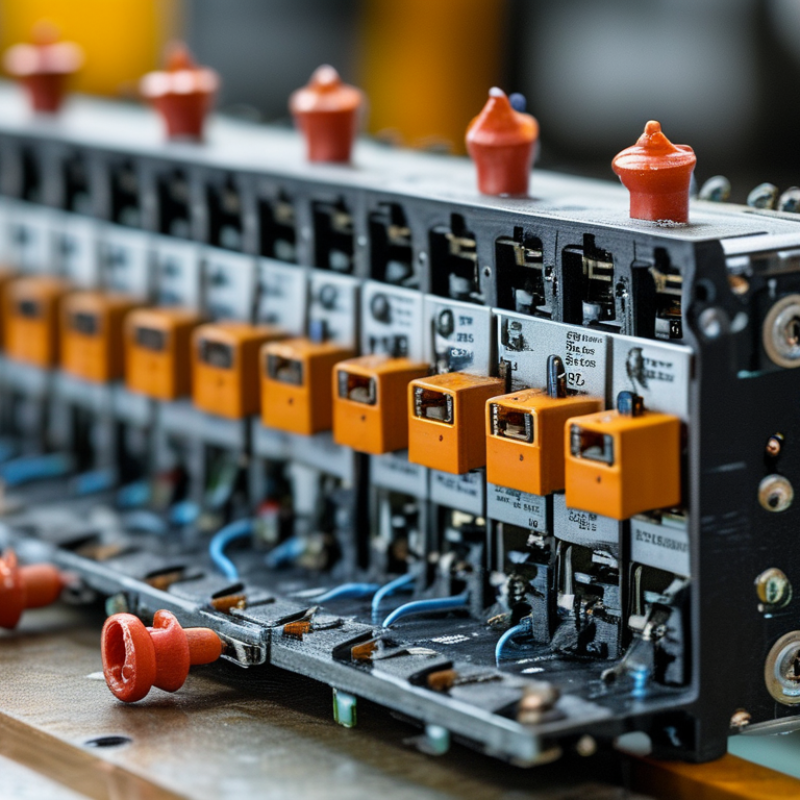
Terminal block connectors play a crucial role in electrical projects. They serve as a junction point for wires, providing a secure and efficient means of connecting multiple conductors. Understanding their functionality helps in selecting the right type for your needs. Terminal blocks come in various forms, such as screw-type, spring-clamp, and push-in connectors. Each type offers unique advantages which cater to specific requirements.
When choosing a terminal block, consider the application environment. Environmental factors like temperature, humidity, and dust can impact performance. For example, if the project is in a harsh setting, opt for connectors with increased resistance features. Additionally, gauge wire sizes must match the terminal block specifications for optimal connectivity. Mismatched sizes can lead to poor electrical performance or even failure.
Evaluating the installation process is equally important. Some connectors are easier to work with than others. Screw-type blocks can be labor-intensive. Meanwhile, push-in types offer quicker assembly but may pose challenges in terms of maintenance. Reflecting on these aspects will help ensure reliable performance in the long run. Making an informed choice requires careful consideration of functionality, environment, and your project's specific needs.
Choosing the right terminal block connector requires a clear understanding of your project's specifications. Begin by assessing the electrical requirements, such as voltage and current ratings. The electrical industry indicates that the global demand for terminal blocks will reach $3.5 billion by 2025, highlighting their importance in various applications.
Next, consider the environmental conditions where the connectors will operate. Will they be exposed to moisture or extreme temperatures? A report from Market Research Future states that more than 20% of connector failures are due to environmental factors. Understanding these conditions helps you select a durable connector that can withstand the project’s demands.
Furthermore, think about the size and form factor. A compact design might be necessary for tight spaces. However, smaller connectors can lead to increased resistance and heat generation. Some projects have failed due to underestimating heat dissipation needs. Balancing size with functionality is crucial for successful outcomes. Each detail counts, and reflecting on these aspects will ensure a more reliable choice in terminal block connectors.
When selecting terminal block connectors, understanding their types and specifications is essential. Terminal block connectors can generally be classified into several categories: screw, spring clamp, and push-in types. Each type serves a specific purpose. Screw connectors are reliable for thicker wires but require more time for installation. Spring clamp connectors allow quick connections, though they may not always hold up under mechanical stress. Push-in types simplify the connection process. However, their application might be limited in more complex scenarios.
Specifications usually include the number of poles, voltage ratings, and current capacities. For instance, a connector rated for high voltage can safely accommodate larger electrical systems. Choosing a terminal block with the right pole count is crucial, as it directly affects circuit layout. Look for connectors with clear labeling and robust materials. However, pay attention to the environment where they will be used. Not all connectors resist moisture, heat, or chemical exposure.
Sometimes, the specifications can be overwhelming, leading to poor choices. DIY enthusiasts may overlook minor details, resulting in insufficient connections. It's also common to misjudge the current capacity, which can lead to overheating. Take time to compare features, and don't be afraid to seek expert advice if unsure. Every project requires careful thought on which type and specification to use. Make informed decisions to avoid costly mistakes down the line.
When selecting terminal block connectors, it’s crucial to consider several key features. One major factor is the current and voltage ratings. The connector must handle the electrical load required by your project. Higher ratings often imply more robust designs capable of withstanding demanding environments.
Another aspect to evaluate is the material composition. This affects durability and conductivity. Copper connectors tend to offer better electrical performance compared to aluminum. Additionally, the insulation material should be resistant to heat, chemicals, and moisture, which enhances safety and longevity.
It's wise to think about the size and layout. A compact design is often beneficial in limited spaces, but this might compromise cooling. Always assess the ease of installation. Complex connectors can lead to human error, affecting overall efficiency. Each of these factors plays a significant role in the success of your project. Consider what matters most in your specific application.
When installing terminal block connectors, attention to detail is crucial. Proper strip length for wires is essential. A common mistake is stripping too much insulation. Aim for about 1/4 inch to ensure a snug fit. This practice prevents shorts and enhances connectivity.
Selecting the right gauge is vital. According to industry reports, incorrect wire gauge can lead to overheating. Always match the wire size to the connector specification. Use a reliable gauge tool to ensure accuracy. This simple step can prevent costly project failures.
When securing wires, use a torque tool. Over-tightening can damage connectors, while under-tightening may result in poor connections. Follow manufacturer guidelines for torque settings. Each connector has different requirements. This attention prevents future troubleshooting and waste. Keep these tips in mind to ensure a successful installation.
| Connector Type | Number of Pins | Wire Gauge Compatibility | Current Rating (A) | Mounting Style | Typical Applications |
|---|---|---|---|---|---|
| Screw Terminal Block | 2 - 12 | 20 - 14 AWG | 10 - 30 | Panel Mount | Power Supplies, Industrial Equipment |
| Blade Terminal Block | 2 - 6 | 22 - 16 AWG | 5 - 25 | Through Hole | Automotive, Consumer Electronics |
| Spring Clamp Terminal Block | 2 - 12 | 18 - 12 AWG | 15 - 40 | DIN Rail Mount | Control Panels, Automation |
| PID Terminal Block | 4 - 8 | 24 - 16 AWG | 2 - 10 | Surface Mount | Industrial Sensors, HVAC Systems |
| Push-In Terminal Block | 2 - 20 | 20 - 12 AWG | 10 - 40 | Panel or DIN Rail Mount | Building Automation, Lighting |