#4 – 20133 102nd Avenue, Langley, B.C. V1M 4B4 Canada

#4 – 20133 102nd Avenue, Langley, B.C. V1M 4B4 Canada
Injection molding is a critical process in manufacturing that shapes various plastic products. Success in this field hinges on understanding core principles and effective techniques. Many newcomers struggle due to a lack of essential knowledge. This guide presents ten vital tips for achieving injection molding success that can make a significant difference.
Navigating the complexities of injection molding requires both experience and expertise. Each step from material selection to machine setup matters. Small mistakes can lead to costly errors and waste. Therefore, it’s essential to grasp every detail. This involves learning from past failures and adapting strategies based on real-world outcomes.
The injection molding process can often seem daunting, particularly for those new to it. Yet, with a focus on key aspects, even inexperienced operators can see improvements. Understanding the nuances of mold design, cooling times, and pressure settings is crucial. Reflecting on these factors can lead to enhanced efficiency and product quality. Embracing both the successes and challenges will pave the way for progress.
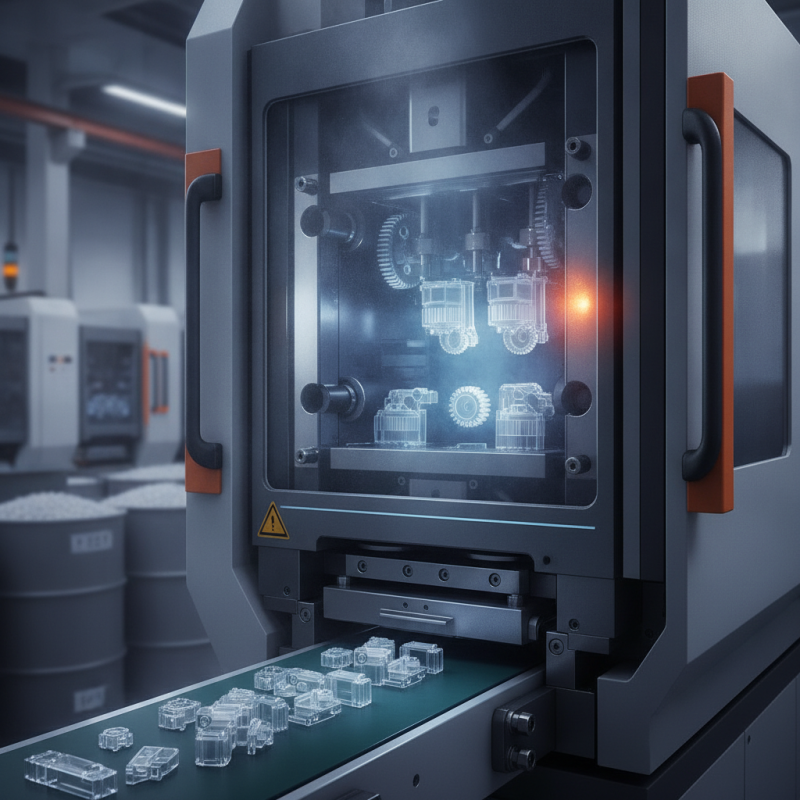
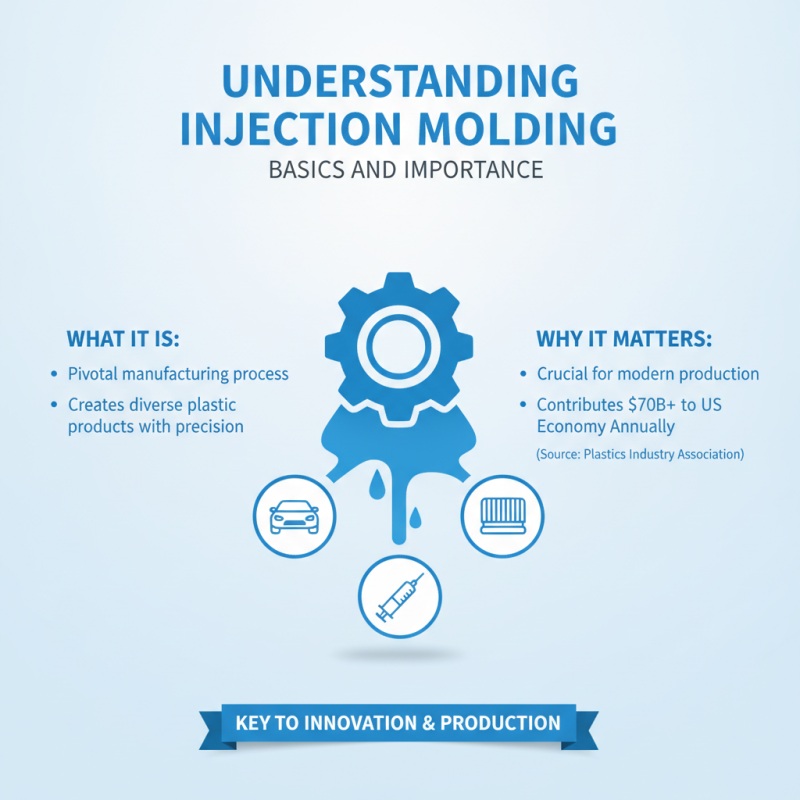
Injection molding is a pivotal process in manufacturing. It allows for the creation of diverse plastic products with precision. Understanding the fundamentals and significance of injection molding is vital for anyone in the industry. According to the Plastics Industry Association, the injection molding sector contributes over $70 billion to the U.S. economy annually. This figure highlights the method's crucial role in modern production.
One essential tip for success is to ensure proper material selection. The right plastic can make or break your project. Different polymers offer unique properties, such as flexibility, strength, and thermal resistance. It's important to consider these factors based on the intended use of the final product. Additionally, optimizing your machine settings can significantly impact the quality of the final outputs. Test different temperatures and pressures to find the perfect balance for your materials.
Another key aspect is the design of your molds. Complexity can increase costs and production times. Simple, efficient designs often yield better results. It's worth reflecting on past projects to identify areas for improvement. Many established manufacturers report that less intricate designs lead to higher productivity and lower defect rates. Embracing a mindset of continual improvement can set your operation apart in a competitive market.
Selecting the right materials for injection molding is critical. Reports indicate that around 70% of production issues stem from material selection. High-quality materials lead to better durability and aesthetics. However, choosing materials isn't always straightforward.
Tip 1: Understand material properties. Different plastics, such as ABS and polypropylene, offer unique strengths. ABS provides toughness, while polypropylene excels in chemical resistance. Make sure you match materials with your product needs.
Another key point is cost. A study from the Plastics Industry Association noted that material costs account for about 50% of total production expenses. Be cautious. Cheaper materials can lead to hidden costs later, like replacements or repairs.
Tip 2: Consider environmental factors. Some materials perform poorly in extreme temperatures or moisture. Assess the end environment to avoid failure. Also, it's crucial to stay updated on emerging materials and technologies. This helps in making informed choices.
Material selection may seem straightforward, but it demands careful thought and expertise. Balancing performance, cost, and environmental factors is a complex but necessary task for success in injection molding.
Effective design is crucial for successful injection molding. A well-thought-out design can reduce production costs and improve product quality. According to the American Society for Testing and Materials (ASTM), nearly 70% of injection molding defects stem from design issues. This statistic underscores the importance of integrating design considerations right from the start.
One key factor is wall thickness. Uniform wall thickness can prevent warping and ensure even cooling. Report by the Society of Plastics Engineers states that variations in thickness can lead to stresses and flaws in the final product. Another aspect to consider is the placement of gates and vents. Improper gate placement can cause problems during the filling phase, affecting the flow of resin and leading to inconsistencies.
When designing for injection molding, it is also essential to consider the draft angle. A draft angle of 1 to 2 degrees is recommended to facilitate part ejection. However, many designs overlook this detail, leading to increased cycle times and potential damage during ejection. These nuances highlight the need for designers to continuously refine their understanding of injection molding principles.
This bar chart illustrates the importance level of various design considerations in achieving successful injection molding products. Each factor is rated on a scale from 1 to 10, providing insight into which aspects are crucial for effective production processes.
When designing molds for injection molding, optimizing for performance and efficiency is crucial. A study by the Society of Plastics Engineers indicated that mold design flaws contribute to over 60% of production inefficiencies. Therefore, careful attention to mold geometry, material selection, and cooling channels is essential.
Tip: Explore different gate designs. They can significantly impact material flow and cycle time. Inadequate gate design can lead to issues like short shots or excessive flash. Experimentation with gate types could lead to more uniform filling.
Consider the cooling system within the mold. Uneven cooling leads to warping and extended cycle times. Data shows that optimizing cooling channel placement can reduce cycle times by up to 30%. However, achieving ideal cooling is often a challenge that requires iterative testing and adjustments.
Tip: Analyze your mold’s thermal behavior. Using simulation tools here can save time and resources during the initial design phase. If thermal issues remain unaddressed, they can lead to costly production delays and defects. Some designs might need more fine-tuning than anticipated, reflecting the complexity of achieving optimal performance in injection molding.
Injection molding is a complex process that often faces common challenges. An industry report shows that around 60% of companies experience production delays due to mold issues. Identifying these problems early is essential. Proper maintenance of molds can reduce defects and improve efficiency.
One common challenge is temperature control. Improper heating can lead to material inconsistencies and affect product quality. Keeping a stable temperature is crucial. A well-calibrated temperature system can lead to a 25% increase in production efficiency. Regularly checking and adjusting temperature settings can prevent significant issues.
Material selection also plays a key role. Poor choice can result in warping or shrinkage. Opt for high-quality materials that suit your design needs. This decision often influences your production output. The right material can reduce scrap rates by up to 30%. Keep an eye on the supplier's reliability, as it impacts the overall process. Being proactive helps in tackling these hurdles effectively.
| Tip No. | Tip | Common Challenges | Solutions |
|---|---|---|---|
| 1 | Choose the Right Material | Material selection issues | Conduct thorough material testing |
| 2 | Optimize Mold Design | Poor mold flow | Utilize simulation software for design |
| 3 | Control Temperature | Inconsistent part quality | Implement a temperature control system |
| 4 | Monitor Cycle Times | Extended production times | Regularly review and adjust processes |
| 5 | Maintain Equipment | Machine downtime | Schedule routine maintenance checks |
| 6 | Conduct Regular Quality Checks | Defective parts | Implement an inspection process |
| 7 | Train Your Team | Inexperienced staff | Provide training and skills development |
| 8 | Streamline Communication | Miscommunication in workflow | Use project management tools |
| 9 | Adjust for Environmental Factors | Variations in temperature and humidity | Use controlled settings for production |
| 10 | Gather Customer Feedback | Ignoring user needs | Implement feedback loops for improvements |