#4 – 20133 102nd Avenue, Langley, B.C. V1M 4B4 Canada

#4 – 20133 102nd Avenue, Langley, B.C. V1M 4B4 Canada
The injection moulding process is vital in modern manufacturing. It accounts for 30% of global plastic production, showcasing its dominance. Companies can produce complex shapes efficiently, which is essential in industries like automotive and consumer goods. However, achieving perfection in this process is challenging.
Many manufacturers face issues such as defects and variability in production quality. Reports indicate that 70% of companies struggle with optimizing cycle times. This highlights the need for mastering the intricacies of the injection moulding process. Investing in precise machinery and quality control systems can mitigate common pitfalls.
Moreover, understanding material properties is critical. The wrong choice can lead to wasted resources and time. Industry insights suggest that nearly 25% of production delays arise from material issues. Learning and adapting are crucial in this evolving field. Embracing best practices can lead to improved outcomes and innovation.
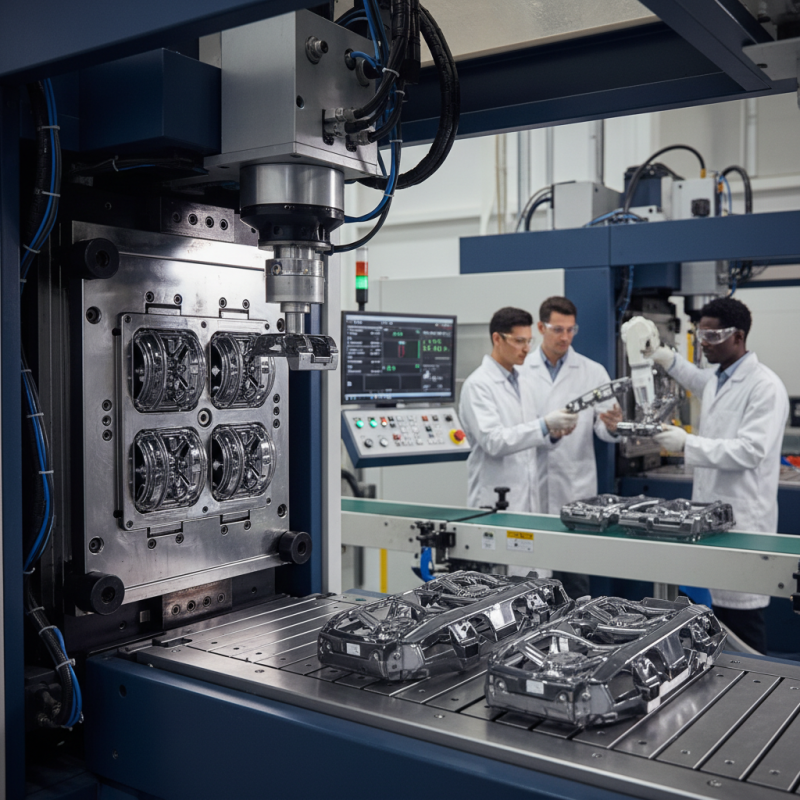
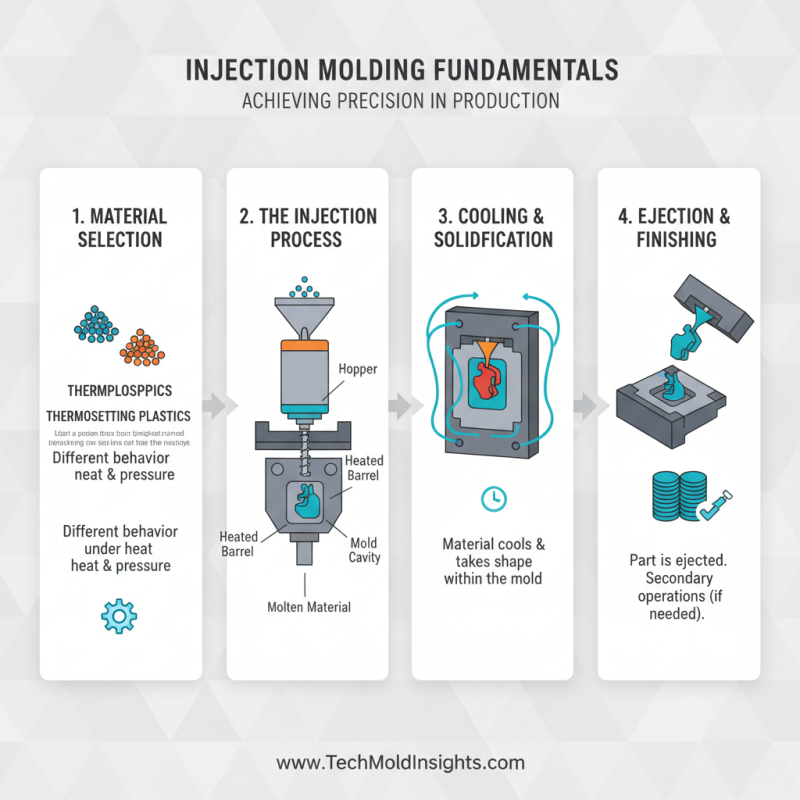
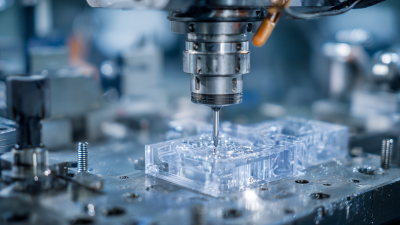
Injection moulding is a widely used manufacturing process. It involves injecting molten material into a mould to create various parts. Understanding its fundamentals is crucial for achieving precision in production. The process begins with selecting the right materials, typically thermoplastics or thermosetting plastics. Each material behaves differently under heat and pressure.
Temperature control is paramount throughout the process. The right temperature ensures the material flows well into the mould. However, maintaining consistent temperatures can be tricky. Fluctuations may lead to defects in the finished product. It's essential to monitor this closely. Additionally, cycle times impact overall efficiency. Shorter cycles save time but may compromise quality. Each parameter must be fine-tuned based on the specific requirements.
The choice of mould design also plays a significant role. An improper design can cause issues like uneven filling or air traps. Regular evaluation of mould performance helps identify areas for improvement. Learning from each batch produced is necessary. Though the process can yield high-quality results, flaws are part of the journey. Reflection on these imperfections can lead to better practices in future operations.
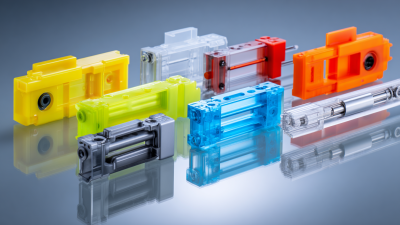
Injection moulding is a complex process that relies heavily on material selection. Key materials commonly used include thermoplastics, thermosets, and elastomers. Each has distinct properties that affect the final product. Thermoplastics like ABS and polycarbonate offer excellent durability and impact resistance. They are easier to process and can be re-melted. On the other hand, thermosets like epoxy are known for their superior thermal resistance but cannot be remoulded once set.
When it comes to material choice, understanding the properties is crucial. Consider the tensile strength, flexibility, and thermal stability of each material. For instance, nylon offers excellent wear resistance and strength, making it suitable for mechanical parts. However, it can absorb moisture, which may affect its performance. This highlights the importance of evaluating environmental exposure when selecting materials.
Tip: Always prototype with your chosen material. This lets you assess its behavior under real-world conditions. Experimenting with small batches can save time and costs. Don’t overlook the possibility of material degradation over time. Regular testing and feedback loops are essential for maintaining quality and performance in your injection moulding process.
Injection moulding is a crucial process in manufacturing. Effective machinery is key to success. The injection moulding machine, typically made of three components, includes a reservoir, a screw, and a clamping unit. Data shows that about 50% of the moulding process costs stem from equipment inefficiencies. Investing in high-quality machinery can significantly enhance production efficiency.
Moreover, auxiliary equipment plays an essential role in this process. This includes chillers, dryers, and conveyors. Without proper temperature control, the quality of the final product may suffer. Research indicates that around 30% of defects can be attributed to inadequate thermal management. Operators must pay close attention to these systems.
It's also noteworthy that maintenance is often overlooked. Routine check-ups on machinery can prevent costly downtimes. Failure to conduct these can lead to inefficiencies. Reports reveal that machinery failures account for nearly 20% of production interruptions, affecting overall output. Manufacturers should reflect on their maintenance practices to improve reliability. Ensuring that both primary and auxiliary equipment are in optimal condition is critical for enhancing the injection moulding process.
| Equipment / Machinery | Purpose | Specifications | Maintenance Tips |
|---|---|---|---|
| Injection Molding Machine | Transform raw materials into finished plastic parts | Clamping force: 50-1500 tons; Shot volume: 50-10000 cm³ | Regularly check hydraulic oil levels; Clean the nozzle and screw |
| Mold | Shapes the molten plastic into the desired form | Material: Tool steel or aluminum; Cavity count: 1-16 | Inspect for wear; Keep surfaces lubricated; Avoid temperature fluctuations |
| Chiller | Maintains the temperature of the mold to ensure proper cooling | Cooling capacity: 1-10 tons; Temperature range: 5°C - 25°C | Clean filters regularly; Check refrigerant levels; Inspect for leaks |
| Dryer | Removes moisture from plastic materials before processing | Dehumidifying capacity: 5-100 kg/hr; Temperature control: 60°C - 180°C | Regularly check desiccant levels; Keep the air intake clean |
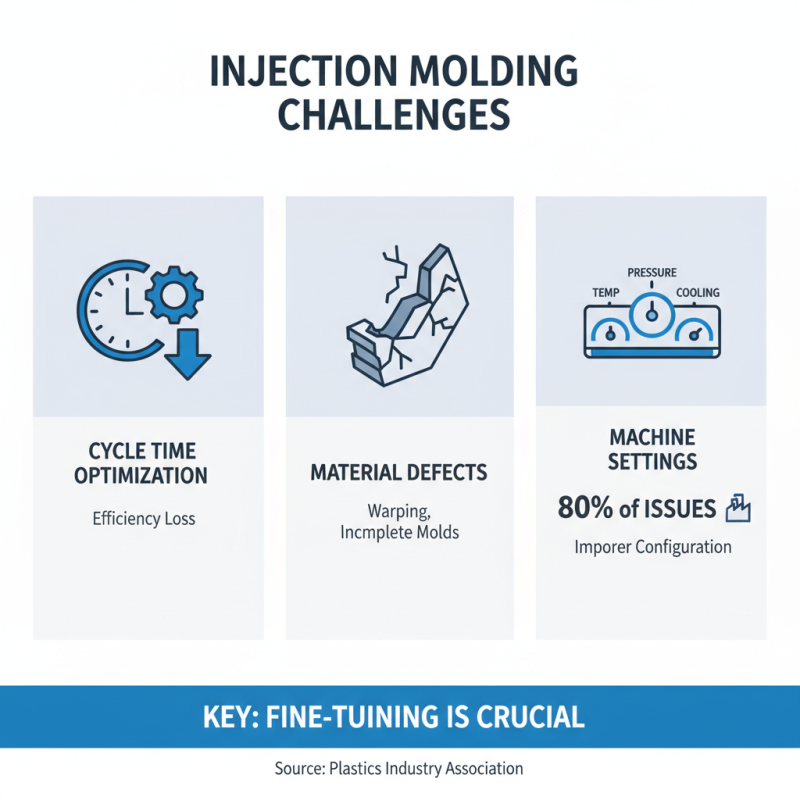
The injection moulding process can present various challenges. From cycle time optimization to material defects, manufacturers face hurdles that impact efficiency. According to the Plastics Industry Association, 80% of issues stem from improper machine settings. Fine-tuning the temperature, pressure, and cooling time is crucial. Even slight deviations can lead to warping or incomplete molds.
Another common challenge involves material selection. Inappropriate choices can lead to defects like flash or short shots. A study by the Society of Plastics Engineers indicated that 45% of rejected parts are due to improper material properties. This emphasizes the need for thorough testing and validation of the material before production. Regular training can also help reduce human errors in setup.
Consider the role of maintenance in overcoming these challenges. Regular checks can prevent malfunctioning equipment. A report by the American Injection Moulding Institute noted that machinery downtime impacts production by up to 30%. Implementing a proactive maintenance plan can mitigate such issues. Yet, many facilities overlook this critical aspect, leading to unexpected costs and delays. Continuous improvement is essential for success in injection molding.
Quality control in injection moulding is crucial for producing reliable parts. Monitoring temperature settings is essential. Mould temperature can affect the final product's characteristics. If the mould is too cool, the plastic may not fill properly. Conversely, excessive heat can lead to defects.
Regularly inspecting machinery is necessary. Equipment wear can result in inconsistencies. Check for any unusual sounds or irregular operation. These small signs often indicate larger issues. Keep an eye on the flow rates as well. Variability can impact how the material behaves within the mould.
Testing the final products should not be overlooked. Visual inspections help spot surface defects. Dimensional checks ensure parts meet specifications. However, human error can lead to oversights. Using automated inspection tools may improve accuracy. Quality control in injection moulding demands constant attention and adaptation.