#4 – 20133 102nd Avenue, Langley, B.C. V1M 4B4 Canada

#4 – 20133 102nd Avenue, Langley, B.C. V1M 4B4 Canada
Glass Decor Films are thin, decorative layers applied to glass to change its appearance while keeping light in the space. They come in frosted, patterned, colored, and textured styles, from subtle bands to bold geometric designs. Their look depends on the glass, the film, and the light behind it.
Small details matter.
A frosted film on a meeting-room door can soften views without making the room feel closed off. A patterned panel can add visual interest to a shopfront, while a colored film may help distinguish glass partitions in an office. These films are also used on cabinets, interior windows, and other smooth glass surfaces. The right choice depends on the setting, the desired privacy, and how the glass will be cleaned.
Privacy is not always constant. A film that obscures a view in one lighting condition may offer less privacy when the room is brightly lit at night. Film also does not correct every problem with glass, and decorative products should not be assumed to improve safety or insulation unless their specifications say so. Before installation, check that the film suits the glass and surface, then follow the manufacturer’s preparation and care instructions. A sample can help, but it may look different across a larger window. That is worth considering. This guide explains what Glass Decor Films are, where they are commonly used, and what to check when choosing and installing them.
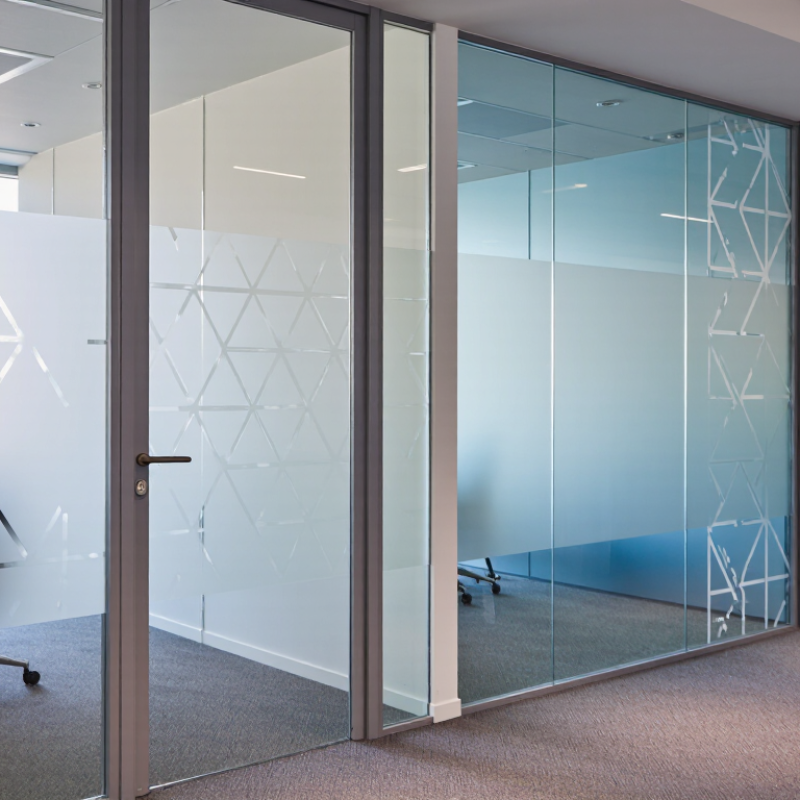
Glass decor films are thin, patterned sheets applied to glass surfaces. Most use a flexible polyester base with a decorative finish and pressure-sensitive adhesive. Finishes can look frosted, etched, textured, or softly colored. Some scatter light while keeping shapes behind the glass less distinct. They are not the same as permanent glass treatments. The film can often be cut to fit and removed, though removal may leave adhesive behind.
In homes, films add privacy to bathroom windows, entry doors, and glass partitions. In offices, they can mark meeting-room walls without blocking daylight. A frosted band across a clear door can also make the glass easier to notice. Results depend on the pattern, lighting, and viewing angle. A film that blurs a face in daylight may reveal more at night when a room is lit. That detail is easy to overlook.
Tips: Clean the glass carefully and measure twice before cutting. Test a small area first, especially on older or coated glass. Use a squeegee to press out trapped water and air, working from the center toward the edges. Keep expectations realistic: decorative film can soften views, but it rarely creates complete privacy.
Glass decor films are thin, adhesive-backed layers applied to existing glazing. Many use polyester (PET) for dimensional stability, with pressure-sensitive adhesive and printed, dyed, or metallized layers. Vinyl films also appear in some decorative applications. Finishes range from frosted and etched-glass effects to geometric prints, gradients, colored tints, and simulated natural textures. The U.S. Department of Energy’s Buildings Energy Data Book estimates that buildings use about 40% of U.S. energy, a useful reminder that appearance is only one design consideration. A film’s color and opacity can affect daylight and visibility, though decorative film alone should not be assumed to deliver a specific energy saving.
Texture matters. A frosted band can soften views across a meeting-room partition while leaving the upper glass clear; a fine linear pattern may add privacy without making a small room feel closed. Check the film’s stated substrate compatibility, light transmission, and cleaning guidance before specifying it. Glass type and exposure matter, too. A poorly matched film may cause uneven heating, and the effect can be hard to judge from a small online image. That detail is easy to overlook.
Tips: Request a full-size sample and view it on the actual glass in morning and evening light. Confirm the adhesive and installation method with a qualified film installer.
Glass decor films are applied to glass to add privacy, soften views, or introduce color and patterns. Common film materials include PVC (vinyl) and PET (polyester); popular designs include frosted, patterned, gradient, and opaque finishes.
The chart compares typical visual effects on a qualitative 1–5 scale, not lab measurements. Actual privacy and daylight depend on the specific film, glass, and lighting conditions.
Glass decor films change how daylight enters a room without replacing the window. Frosted and etched-look finishes scatter direct light, softening glare and reducing clear views through the glass. A bright kitchen window may still illuminate the counter, while turning a person outside into a blurred shape. Patterned films create a different effect: clear sections preserve views, and decorated areas break them up. Subtle differences matter. A dense finish can make a small room feel dimmer, especially on a north-facing window.
Privacy depends on the film’s design, the viewing angle, and the light on each side of the glass. During the day, a bright exterior can make a frosted window feel more private. At night, interior lights may reveal shadows or movement from outside. It is not a one-way mirror. That distinction is easy to miss. Films also do not block sound, and fine detail may remain visible through some translucent patterns. Before covering a full pane, hold a sample against the glass and check it in morning light and after dark. The result can look different than expected. A small test helps reveal whether the film diffuses sunlight pleasantly or leaves the room too muted.
Glass decor films are commonly used on interior windows where people need privacy without blocking all daylight. In homes, they often appear on bathroom windows, shower screens, front-door sidelights, and glass partitions between living areas. Frosted patterns can soften direct views while leaving rooms bright. Small details matter. A film beside a doorway may need a different pattern from one covering a full bathroom window.
Offices use decorative films on meeting-room walls, reception areas, and glazed corridors. A band of translucent film can reduce distractions and mark clear glass that might otherwise be hard to notice. In shops, salons, and cafés, films can add visual texture to street-facing windows or divide service areas. The result depends on light. A design that looks subtle indoors may appear much stronger against bright outdoor light.
Schools, clinics, and hotels also use films on interior partitions and doors, especially where privacy is useful but a solid wall feels too closed. Patterned sections can preserve some visibility, though they do not replace suitable privacy measures in every room. Film choice should match the glass, cleaning routine, and exposure to moisture. Installation quality matters, too; dust or poor surface preparation can leave visible bubbles, and even a careful job may need touch-ups over time.
What Are Glass Decor Films and How Are They Used?
How Are Glass Decor Films Applied and Maintained?
Glass decor films are usually applied to the room-facing side of clean glass. Installers measure each pane, trim the film, then use a fine mist of application solution to position it. A squeegee pushes out water and air, especially around edges and corners. Dust is the enemy. Even a tiny speck can show beneath a smooth, frosted finish, so careful glass cleaning matters more than rushing.
Allow the film to cure before cleaning; drying time varies with the film, glass, and room conditions. Use a soft cloth or rubber squeegee with mild soapy water. Avoid abrasive pads, sharp tools, and harsh cleaners, which may scratch the surface or affect the adhesive. The U.S. Department of Energy estimates that windows account for about 25–30% of residential heating and cooling energy use. That figure covers windows broadly, not decorative films specifically, so do not assume a privacy film provides energy savings unless its performance is independently rated.
Tips: Test the cleaner on a small corner first. Keep the blade clean. Small details matter. Check edges after installation, too; trapped moisture can make them look cloudy for a while. I’d be cautious about treating every bubble as a defect before the film has finished drying.
| Topic | Typical Details | Practical Guidance |
|---|---|---|
| What glass decor film is | A thin film, commonly made from polyester, applied to glass to change its appearance or provide visual privacy. | It can add a decorative finish without replacing the glass. Film does not make ordinary glass shatterproof unless specifically tested and rated for that purpose. |
| Common finishes | Frosted, etched-look, translucent, patterned, colored, and gradient films. | Choose a finish based on the desired balance of privacy, daylight, visibility, and appearance. |
| Typical applications | Interior doors, office partitions, meeting-room glazing, bathroom windows, shopfronts, and decorative glass panels. | For privacy, consider sightlines from both sides and whether the film should cover all or only part of the glass. |
| Preparation | The glass should be clean, smooth, and free of dust, grease, and residue. | Remove dirt from the edges and corners as well as the center. Check for cracks or damage before installation. |
| Application method | Many adhesive films are installed using a water-based slip solution; some products are designed for dry application. | Follow the film’s instructions. Align the film, apply it to the specified side of the glass, and use a squeegee to remove solution and trapped air. |
| Trimming and finishing | Film is usually trimmed to fit, leaving a small clearance at the glass edges when required by the product instructions. | Use a sharp cutting tool carefully. Avoid cutting directly against seals, frames, or the glass surface. |
| Drying and curing | Moisture used during installation may need time to evaporate, and the film’s appearance can change as it dries. | Drying time varies with the product, temperature, humidity, and airflow. Avoid disturbing the film until the stated curing period has passed. |
| Routine cleaning | Once fully cured, clean the film with a soft cloth or sponge and a mild, non-abrasive cleaning solution. | Test cleaners on a small area first. Avoid abrasive pads, scouring powders, and sharp tools that can scratch or lift the film. |
| Long-term care | Film condition depends on product suitability, installation quality, sunlight exposure, and cleaning practices. | Inspect edges periodically for lifting or damage. Follow the manufacturer’s guidance for exterior exposure, glass compatibility, and replacement. |