#4 – 20133 102nd Avenue, Langley, B.C. V1M 4B4 Canada

#4 – 20133 102nd Avenue, Langley, B.C. V1M 4B4 Canada
Choosing an Acrylic Jar With Lid in 2026 requires more than comparing prices and glossy product photos. The right jar should protect its contents, feel comfortable, and suit the way customers use it daily. A lid that twists smoothly matters when hands are wet. A clear wall matters when users need to check remaining cream or powder quickly.
Packaging specialist Daniel Mercer offers a practical reminder: “A good jar makes protection visible, opening simple, and repeated use dependable.” That principle guides this article. We will examine acrylic thickness, lid construction, sealing performance, capacity, shape, and surface finish. We will also consider cleaning habits, shelf presentation, shipping risks, and compatibility with different product types. These details often decide whether a jar feels premium or disappoints after several uses.
Experience can expose small weaknesses that specifications miss. A thin base may wobble on a bathroom counter. A loose lid may collect dust around its threads. Some glossy surfaces show fingerprints immediately. I still check these points twice, because a perfect jar does not exist. Buyers should also question unclear claims about durability, recyclability, and chemical resistance. Supplier samples, material documents, and closure testing provide stronger evidence than attractive catalog language. This guide will help readers compare options carefully and choose an Acrylic Jar With Lid that balances appearance, protection, usability, and realistic long-term performance.
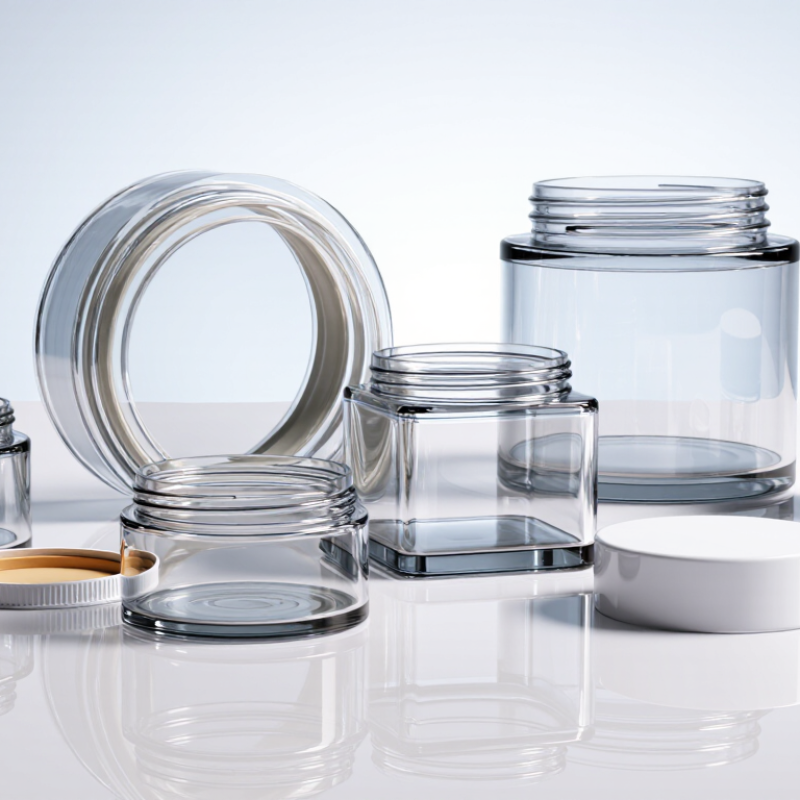
Acrylic jars with lids are lightweight containers made from clear PMMA plastic. They resemble glass but resist ordinary knocks more effectively. Their transparent walls let users check contents without opening the jar. This helps in bathrooms, kitchens, studios, and retail displays. The material feels smooth, though it can scratch when cleaned with abrasive pads.
The lid controls access and limits exposure to dust, moisture, and air. Some lids use screw threads, while others snap or hinge into place. A silicone gasket can improve the seal around the rim. However, not every acrylic jar is genuinely airtight. I once assumed a tight lid protected powders completely, but a loose fit allowed moisture inside. That small mistake changed how I test containers.
When choosing one in 2026, inspect the rim, lid alignment, wall thickness, and base stability. Press the lid gently and check for uneven gaps. For creams or dry goods, select a wide opening that supports clean scooping. For display use, prioritize clarity and resistance to yellowing. Keep acrylic away from harsh solvents and high heat, which may cloud or deform it. Hand washing is often safer than aggressive scrubbing. These details matter. A beautiful jar can still perform poorly if its closure does not match the contents.
Choosing acrylic jars in 2026 starts with the item you will actually store. For cotton pads, bath salts, or craft beads, measure the volume before browsing. A 250 ml jar suits small daily supplies, while a 500 ml jar reduces refills. Keep 2 cm of empty space below the lid. This prevents pressure and makes scooping easier. I have learned that attractive proportions can hide poor usability. A tall jar may look elegant but feel awkward on a narrow shelf.
Shape should follow access, not decoration. Round jars are comfortable to grip and easy to wipe. Square jars use cabinet space efficiently, though their corners can collect residue. Wide-mouth designs work better for thick creams, loose tea, or larger accessories. Narrow openings help limit exposure to dust, but they slow cleaning. Check the base diameter against your shelf. A stable base matters more than a dramatic silhouette.
Lid style changes daily handling. Screw lids usually provide a secure closure for portable storage. Flip-top lids offer faster one-handed access. A lift-off lid is convenient for frequent refills, but it can loosen if handled roughly. Look for smooth edges, even threads, and a firm fit. Acrylic is clear and lightweight, yet it may scratch or cloud with harsh cleaners. Use mild soap and a soft cloth. I would not promise one perfect jar; testing one unit first can reveal problems photos never show.
Acrylic quality begins with the sheet itself. Hold the jar under bright, angled light. Inspect it under light. Look for even walls, clean edges, and consistent transparency. Cloudy patches, tiny bubbles, or uneven thickness may indicate weak processing. Clarity is not enough. Run a fingertip around the rim and base. Rough areas can reveal poor finishing or hidden stress.
Safety depends on the intended use, not appearance. Ask for material specifications, production details, and testing documents from the supplier. A jar suitable for dry items may not suit creams, oils, or other formulations. Avoid assuming that every clear acrylic container is automatically suitable for direct contact. Check whether the lid uses a compatible liner or seal. A loose closure invites dust and leakage. The seal should feel firm without forcing the threads.
Durability requires realistic testing. Acrylic is lightweight, but it can scratch, crack, or discolor under strong sunlight and high heat. Test one sample before ordering many. Fill it, close the lid, turn it upside down, and inspect the seam after several hours. Store another sample in its intended environment for a few days. My own mistake was focusing too heavily on attractive clarity and ignoring the lid’s pressure fit. That small detail later affected usability. A careful inspection should include both the jar and its closure.
Choosing acrylic jars with lids in 2026 starts with the seal, not the finish.
In practical testing, press the lid gently and inspect its contact ring. A silicone or elastomer gasket can reduce air exchange, but only when it sits evenly. Look for clean molding and no visible gaps. Screw closures usually provide controlled compression. Snap lids open faster, yet their fit may weaken after repeated use. Small details matter.
Test the closure with the product you plan to store.
Put a filled jar on its side for 24 hours, then check for seepage. Thick creams may need stronger threads and deeper lid engagement. Powders usually need a smooth inner rim, where residue cannot collect.
Test it wet.
A lid that works in a showroom may frustrate users with damp hands. Fine threads can trap residue, while wider threads are easier to clean. I once preferred a very tight snap fit, but repeated opening became tiring. That experience changed my judgment.
Reliable selection also requires measurable supplier information.
Ask about closure-cycle testing, gasket material, dimensional tolerances, and temperature performance. Inspect several jars from the same production batch. Small molding variations can change the seal. Do not treat “airtight” as a guarantee of sterility. It describes closure performance, not product safety. Acrylic can also scratch, so compare wall thickness and surface protection.
The most usable jar opens predictably, reseals without excessive force, and feels secure during everyday handling.
Choosing acrylic jars in 2026 starts with the lid, not the color. Check the acrylic for clear walls, smooth edges, and even thickness. Hold it under daylight. Tiny waves can reveal molding stress. Choose a size that leaves a little headspace. A packed jar strains its lid during closing. For food or cosmetics, verify the material’s intended contact use. Do not assume every clear plastic jar is suitable. A tight lid should turn smoothly without grinding. If there is a gasket, inspect its fit and smell. A strong odor is a warning, not a feature. I prefer wide openings because fingers and cleaning tools can reach the corners. This choice sounds minor. It prevents stubborn residue.
Wash acrylic with lukewarm water, mild dish soap, and a soft cloth. Rinse away soap completely. Dry it upside down, then wipe the rim before closing. Avoid boiling water, scouring powder, rough sponges, and solvent-based cleaners. They can cloud or scratch the surface. A dishwasher is acceptable only when the care instructions permit it. Heat can warp the jar or lid. For daily storage, keep the container away from direct sunlight and heaters. UV exposure may discolor some acrylic over time. Check the threads and gasket each week. Remove crumbs before they become a paste. If the lid sticks, do not force it. Clean the threads and let them dry fully. Replace damaged seals or cracked jars promptly. I once ignored a faint hairline scratch. It spread after repeated washing. That mistake changed my routine. Now I inspect empty jars under bright light, though I sometimes miss small marks. Maybe a slower check is wiser.
| Evaluation Dimension | Recommended Specification | Why It Matters | Cleaning and Maintenance Guidance | Suitability | 2026 Buying Check |
|---|---|---|---|---|---|
| Material clarity | Clear, uniform acrylic with no visible haze, bubbles, cracks, or sharp edges | Clear acrylic makes contents easy to identify while offering lower breakage risk than ordinary glass. | Wash with lukewarm water, mild dish soap, and a soft microfiber cloth. Avoid abrasive pads and scouring powders. | Essential | Inspect the jar under bright light before purchase. |
| Jar capacity | 100–250 ml for small items; 300–700 ml for everyday storage; 1,000 ml or more for bulky contents | The correct capacity reduces wasted space and helps prevent frequent overfilling. | Do not pack contents above the shoulder or lid line. Leave enough room for the lid to close without pressure. | Essential | Choose usable internal volume, not only the outside dimensions. |
| Lid fit | Secure screw, snap, or hinged lid with an even contact surface | A well-fitting lid limits dust entry and helps protect dry contents from humidity. | Remove the lid seal, if detachable, and clean both the seal and the lid groove separately. Dry completely before reassembly. | Essential | Test the closure gently; it should close evenly without excessive force. |
| Seal design | Food-contact-compatible silicone or other suitable gasket when moisture protection is needed | A gasket can improve the seal, but it does not automatically make a jar airtight or leakproof. | Check the gasket for stretching, odors, discoloration, or cracks. Replace damaged seals rather than forcing the lid closed. | Recommended | Look for clear care instructions and a replaceable seal where possible. |
| Wall thickness | Moderate, consistent walls with a reinforced rim and stable base | Consistent thickness improves durability and reduces the chance of warping during normal use. | Keep the jar away from sudden temperature changes, direct flames, ovens, and hot surfaces. | Important | Press the sides lightly; excessive flexing may indicate a less suitable design. |
| Intended contents | Dry goods, craft supplies, bathroom accessories, cosmetics, or display items | Acrylic is versatile, but its suitability depends on the contents and the manufacturer's stated use. | Clean immediately after spills. Avoid storing strong solvents, alcohol-rich liquids, or aggressive chemicals unless compatibility is confirmed. | Essential | Match the jar to the contents instead of using one container for every purpose. |
| Food storage use | Use only when the product is explicitly identified as suitable for food contact | Not every acrylic product is manufactured, tested, or labeled for food storage. | Hand-wash unless care instructions specifically permit another method. Dry food completely before storage to reduce moisture buildup. | Conditional | Verify food-contact information, care instructions, and temperature limits. |
| Size and shape | Wide-mouth jars for frequent access; narrow or tall jars for vertical storage | The opening should match the size of the items and allow easy cleaning by hand. | Use a soft bottle brush for narrow openings. Do not use tools that can scratch the interior surface. | Practical | Measure the shelf depth, cabinet height, and opening diameter first. |
| UV and light exposure | Opaque storage location or UV-resistant specification for light-sensitive contents | Clear acrylic does not provide dependable protection from light unless a specific UV-resistant feature is stated. | Store the jar away from prolonged direct sunlight to help reduce discoloration and content degradation. | Conditional | Use a darker container or cabinet for light-sensitive products. |
| Cleaning method | Hand-wash with mild soap, lukewarm water, and a soft non-abrasive cloth | This method removes ordinary residue while minimizing scratches and clouding. | Rinse thoroughly, wipe dry, and allow all parts to air-dry before closing the jar. | Essential | Follow the care label when it differs from general guidance. |
| Stain and odor removal | Prompt cleaning; mild soap solution for routine residue | Fresh residue is easier to remove and less likely to leave persistent odors. | Soak briefly in lukewarm soapy water. Avoid acetone, paint thinner, strong solvents, and chlorine-based cleaners unless compatibility is confirmed. | Important | Test any unfamiliar cleaner on a hidden area first. |
| Scratch prevention | Soft cloths, separate storage, and careful handling | Scratches can reduce transparency and create areas where residue collects. | Never use steel wool, rough sponges, paper towels with abrasive particles, or sharp utensils to remove buildup. | Essential | Store jars with space between them or use soft separators. |
| Temperature tolerance | Room-temperature storage unless the product specifies a tested temperature range | Acrylic can deform or develop stress from high heat, boiling water, or rapid temperature changes. | Do not microwave, oven-heat, flame-heat, or pour boiling liquids into the jar unless explicitly approved for that use. | Essential | Check maximum and minimum temperature guidance before use. |
| Long-term inspection | Routine checks for cracks, cloudiness, loose lids, warped parts, and damaged seals | Early inspection helps prevent spills and identifies when the container is no longer suitable. | Retire the jar if it becomes cracked, brittle, badly scratched, warped, or unable to close securely. | Recommended | Review frequently used jars at least every few months. |