#4 – 20133 102nd Avenue, Langley, B.C. V1M 4B4 Canada

#4 – 20133 102nd Avenue, Langley, B.C. V1M 4B4 Canada
Choosing the right Water Drilling Rig in 2026 starts with the ground beneath the work, not the largest number on a sales sheet. A rig suited to shallow, loose soils may struggle in fractured rock. A powerful machine can also be an expensive mismatch for a small farm or remote community. Site geology, target depth, bore diameter, and expected water yield should shape the decision. So should access. A narrow track, soft ground, or low bridge can rule out equipment that looks ideal on paper.
Compare drilling methods, available power, setup time, and the tools each rig can handle. Ask suppliers how their depth ratings were measured and what conditions those figures assume. Request maintenance records, parts availability, operator training, and clear information about service support. These details are less exciting than horsepower. They matter when a pump, hose, or drill component fails far from a workshop. Not every brochure makes those limits obvious.
The purchase price is only one part of ownership. Fuel use, transport, routine maintenance, and downtime can change the real cost over several years. Check safety features and confirm the machine can be operated by trained personnel under applicable local requirements. If possible, speak with operators who have used the rig in similar terrain. Their experience may reveal practical drawbacks that a specification sheet misses. I would still leave room for doubt: ground conditions vary, and even a careful estimate can be wrong. Use the comparisons in this guide to identify a rig that fits the actual site, workload, and support available—not merely an attractive headline figure.
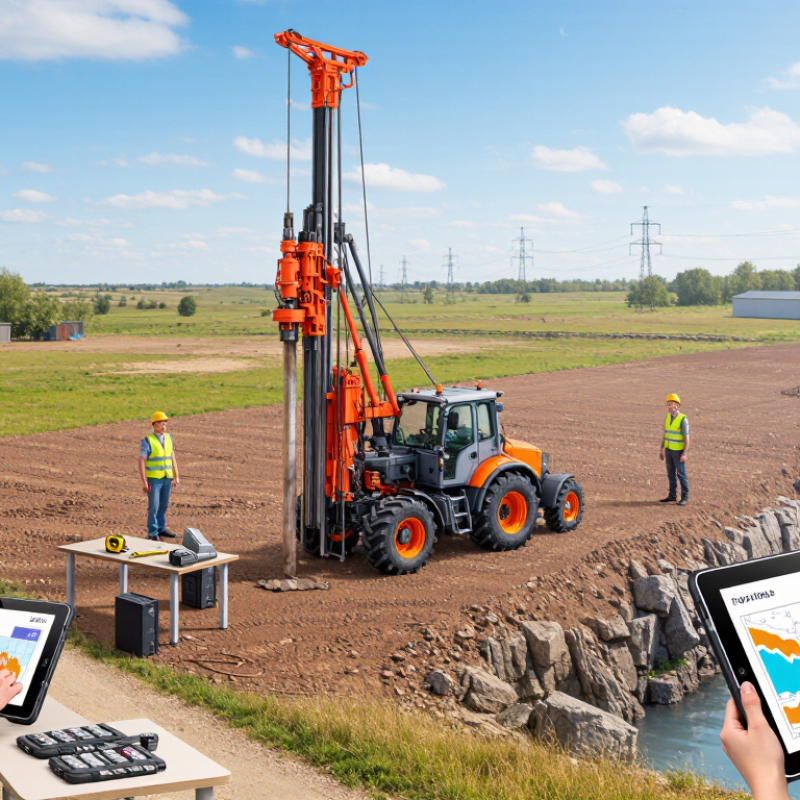
Before comparing rigs, define what the well must deliver. Estimate daily water demand, peak use, and the number of users. A small household well and an irrigation supply need different pumping rates. Set a realistic target depth using nearby well records and a review of local geology. Sand, gravel, and fractured rock can require different drilling methods. Ask a qualified local driller to check these assumptions against site conditions. Start with the site. Note slopes, overhead clearance, narrow gates, and the distance from the rig to the drilling point. A machine that fits on paper may not reach a muddy field after rain.
Write down the planned borehole diameter, expected water quality, and available power. These details affect rig capacity, tooling, and supporting equipment. On remote sites, transport limits and fuel access matter too. Include crew costs, drilling fluids or other consumables, maintenance, and time for setup in the budget. A rig capable of reaching the target depth is not automatically the right choice; it also needs enough capacity for the ground and the borehole design. Leave room for uncertainty. Geological records can be incomplete, and actual layers may differ from nearby wells. Seasonal access is easy to overlook, especially when a dry track becomes soft after heavy rain.
Choosing a water drilling rig in 2026 starts with the ground, not the brochure. Mud rotary rigs circulate drilling fluid to carry cuttings and support loose formations. They can suit deep wells in sand or mixed layers, but require fluid handling and cleanup. Air rotary rigs use compressed air and often work well in competent rock. Down-the-hole hammer systems add impact for hard formations. They can struggle in unstable ground without suitable casing.
For shallow, softer sites, auger rigs may be practical, though depth and formation limits matter. Truck-mounted rigs move quickly between accessible locations. Crawler-mounted rigs can handle rougher terrain, but may need more setup space. Check the planned bore diameter, target depth, water-bearing layers, access roads, and local drilling conditions before comparing capacity. A rig that performs well in granite may be a poor fit for loose, waterlogged sand. Field experience helps, but site data can still be incomplete.
Tips: Ask for records from comparable wells, including formation changes and drilling time. Confirm air, mud, or casing needs before mobilization. Leave room for uncertainty; a promising geological log is not a guarantee of yield. A site visit can reveal access problems that a spreadsheet misses.
In 2026, match a water drilling rig’s rated depth to the well design, not its brochure maximum. A 300-meter rating may assume a narrow bore, light casing, or favorable ground. Check torque, pullback force, mast load, and casing diameter against site logs and planned screen depth. The USGS report Estimated Use of Water in the United States in 2015 recorded 82.3 billion gallons of freshwater withdrawals per day; groundwater supplied about 26 percent. That national demand shows groundwater’s importance, but it cannot predict local drilling conditions.
Compare compressor or mud-pump flow at working pressure, not just headline output. Match engine power to continuous loads, expected drilling hours, and the actual ground conditions. More horsepower is not automatically safer or faster. Small details matter. Check parts access and fuel needs, too. For mobility, measure the route, bridge limits, turning space, and setup area before choosing a truck-mounted or tracked unit. A rig that reaches the site but cannot level beside the bore is a poor fit. I would also verify transport dimensions and ground pressure in person; paper specifications can miss soft shoulders or tight gates.
The chart shows illustrative planning-depth benchmarks, not guaranteed rig ratings. Actual depth depends on geology, borehole diameter, drilling method, tooling, and site conditions. Compare each rig’s depth rating with its pump or compressor capacity, available power, and mobility requirements before choosing.
A water drilling rig should fit the ground, the workload, and the budget—not just look powerful on a specification sheet. Compare the total cost of ownership, including transport, fuel, drill rods, crew time, and routine servicing. Ask suppliers for itemized estimates and confirm what is excluded. A low purchase price can hide costly downtime. Check that the rig’s capacity matches the expected depth and ground conditions.
Tips: Visit a working site if possible. Watch how the rig is set up, how controls respond, and how easily operators reach service points. Ask for safety documents and training details. Inspect guards, emergency stops, stable support points, and visibility around the work area. Small details matter. Keep your own checklist; it is easy to overlook something during a polished demonstration.
Maintenance needs affect both cost and reliability. Review service intervals, required tools, and the availability of replacement parts before committing. Ask how quickly common wear items can be obtained, and whether routine checks can be completed by your crew.
A maintenance schedule should account for dusty conditions, long shifts, and frequent moves. One weak point in many plans is assuming every day will go smoothly. Build time and budget for inspections, repairs, and operator feedback.
A water drilling rig should fit the ground conditions and the work plan, but its paperwork deserves equal attention. Ask which recognized standards apply to the machine, electrical components, pressure systems, and safety features. Request current certificates, inspection records, and test reports, then check that model numbers match the equipment offered. Paperwork matters. Confirm that operating and maintenance instructions are available in a language your crew can use.
After-sales support becomes practical when a rig is down and a borehole schedule is slipping. Before purchase, ask how quickly the supplier responds, which spare parts are stocked, and whether technicians can provide remote or on-site help. Clarify warranty coverage in writing, including exclusions and the process for reporting a fault. Ask for evidence. A short video call with a service technician can reveal more than a polished brochure.
Supplier reliability takes more than a low quotation. Request references from buyers who operate similar rigs, and ask about delivery accuracy, parts availability, and service follow-through. If possible, inspect a working machine and check welds, hose connections, controls, and maintenance access. One point is easy to overlook: a supplier may answer every question before payment, then respond slowly afterward. That possibility is worth testing with specific questions and documented commitments.