#4 – 20133 102nd Avenue, Langley, B.C. V1M 4B4 Canada

#4 – 20133 102nd Avenue, Langley, B.C. V1M 4B4 Canada
Choosing an Electronic Vacuum Gauge starts with the pressure range your process actually uses. A gauge that reads accurately near atmospheric pressure may not perform well in a high-vacuum chamber. Check the required measurement range, resolution, and stated accuracy before comparing models. These details matter when monitoring a coating system, laboratory pump, or sealed process line.
The gas in the system also affects readings. Some gauges respond differently to different gases, so confirm whether the instrument is suitable for your application. Consider the connection size, mounting position, operating temperature, and resistance to vibration or contamination. A display that is easy to read beside a pump can save time during routine checks. So can a compatible output for your controller or data logger.
Calibration and maintenance deserve attention, too. Ask how often calibration is recommended and whether the sensor can be serviced without replacing the whole unit. That matters. A low purchase price may not mean lower ownership costs. Compare the expected service life, replacement parts, and support available from the manufacturer. Technical specifications help, but they do not answer every practical question. A gauge may look ideal on paper and still be awkward to install or interpret. Think about who will use it, where it will sit, and what decision its readings must support. No single model fits every system. A careful choice balances measurement needs, installation limits, and long-term reliability.
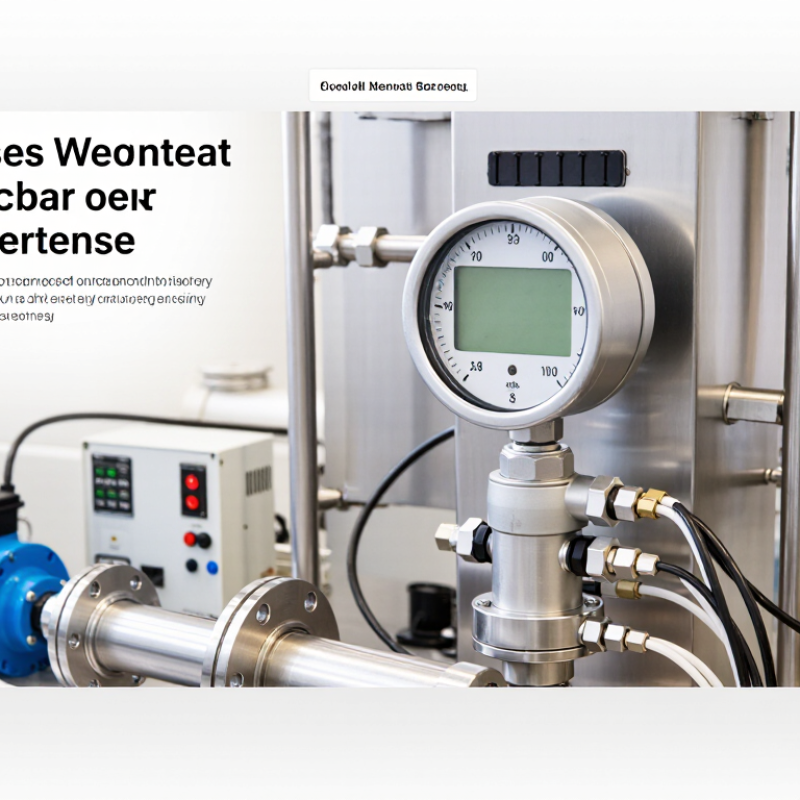
An electronic vacuum gauge should match the pressure range you need to control, not just the lowest pressure listed on its specification sheet. Define the normal operating range, startup pressure, and any brief pressure spikes. A chamber used for drying may need different coverage from a system used for leak testing. That matters. Also decide whether you need a trend, a process limit, or a measurement you can compare reliably over time.
Gauge technology affects what the reading means. Thermal-conductivity gauges can be useful at rough vacuum levels, but their response can vary with gas composition. Capacitance diaphragm gauges measure pressure with less dependence on gas type, while covering a defined range. Ionization gauges can measure much lower pressures, but may be sensitive to contamination and operating conditions. Check the full range and accuracy where your process actually runs. A wide range is not always a better fit.
Consider the vacuum system itself. Mount the gauge where pressure represents the process, rather than near a pump or a narrow, restrictive port. Placement matters. Heat, vibration, condensable vapor, and dusty process residue can affect readings or shorten service life. Keep the connection short and clean where practical, and check whether the gauge materials suit the chamber environment. One detail is easy to miss: a stable display does not prove the sensor is correctly located. I would review placement after installation, since the first layout is not always the best one.
How to Choose an Electronic Vacuum Gauge?
Determine the Required Pressure Range and Accuracy
Start with the lowest and highest pressures your process actually reaches, not just the pump’s advertised limit. A chamber that normally runs near 10 Pa needs a gauge suited to that region. A gauge with a much wider range may show less useful detail there. Check the gauge’s specified measurement range and identify where your readings will fall during startup, operation, and venting. Small details matter.
Tips: Write down the normal operating pressure and the acceptable measurement error. Compare accuracy at those specific points. Some specifications use a percentage of full scale, while others use a percentage of the reading. These can produce very different errors. For example, a 1% full-scale error may be significant when measuring near the bottom of a broad range.
Choose accuracy based on the decision the reading supports. Process control may tolerate more variation than leak testing or repeatable research measurements. Also consider calibration intervals, temperature changes, and the gases in your system, since these can affect readings. A specification can look precise on paper, yet still leave uncertainty in real use. If the required range is unclear, measure the process across several cycles before selecting a gauge.
Electronic vacuum gauges do not measure pressure in the same way. A Pirani gauge infers pressure from heat loss in a heated filament. It suits rough and medium vacuum, but gas composition can shift its reading. A capacitance diaphragm gauge measures force on a membrane. It offers stable, gas-independent readings, useful when process accuracy matters. Ionization gauges detect charged gas molecules at very low pressure. They are sensitive, but need careful handling and clean conditions.
CERN Accelerator School vacuum-technology notes place Pirani operation roughly between 10⁵ and 10⁻¹ Pa, and ionization gauges around 10⁻¹ to 10⁻⁸ Pa. These are indicative ranges, not guarantees for every instrument. NIST vacuum-gauge calibration guidance also highlights traceable calibration; readings should be checked against the intended gas and operating conditions. A wide range sounds convenient. It may not mean equal accuracy throughout.
Tips: Match the gauge to the pressure range and gas. Check calibration history, response time, and contamination risk. A Pirani gauge beside a warm pump line may read differently than one mounted at the chamber. That detail is easy to overlook.
An electronic vacuum gauge should suit the conditions where it will actually operate, not just the pressure range on its specification sheet. Check the expected pressure span, process gas, ambient temperature, and exposure to vibration. A gauge used near a warm pump may behave differently from one mounted on a stable laboratory chamber. Small details matter.
Consider what the process gas contains. Vapors, dust, or condensable material can affect a sensor, so review the gauge’s material compatibility and cleaning requirements. Then check the system connection, available space, electrical supply, signal type, and readout compatibility. A fitting that almost matches can still cause leaks or awkward installation. Also consider response time: a slowly changing process may tolerate a slower reading, while rapid pressure changes need closer monitoring. Keep calibration intervals and maintenance access in view, too. In practice, these are easy to overlook when comparing specifications. I would leave some margin around operating limits, though the right margin depends on the setup. No single gauge fits every system.
When choosing an electronic vacuum gauge, check calibration against the pressures you actually measure. A certificate is useful, but its date and stated uncertainty matter too. A gauge calibrated only near atmospheric pressure may not give dependable readings deep in vacuum. Compare its specified accuracy with your process tolerance, and ask how calibration is verified. A tidy certificate can create false confidence if the working range is overlooked. That detail matters.
Maintenance affects reliability and ownership costs. Dust, oil vapor, and residue can contaminate a sensor, so check whether its sensing element can be cleaned or must be replaced. Review the recommended service interval, available spare parts, and the time needed to recalibrate the unit. A low purchase price may be offset by frequent service or production delays. Small leaks count. Include calibration fees, replacement sensors, downtime, and any required cables or readout equipment in your total cost estimate. Keep a simple log of calibration dates and readings; it can reveal drift before it disrupts a measurement. The cheapest gauge is not always the least expensive to keep accurate.
This example compares a Pirani, capacitance diaphragm, and ionization gauge using an illustrative USD budget—not market prices or a universal cost ranking. It assumes one purchase plus five years of annual calibration and routine maintenance. Replace these estimates with supplier quotes and your required calibration schedule; actual needs depend on the instrument, process, and quality requirements.