#4 – 20133 102nd Avenue, Langley, B.C. V1M 4B4 Canada

#4 – 20133 102nd Avenue, Langley, B.C. V1M 4B4 Canada
Choosing the right Pipe Union Fitting is crucial for effective plumbing and piping systems. A pipe union fitting provides a reliable connection, allowing for easy disassembly and maintenance. This makes it essential in various applications, from residential plumbing to industrial setups.
When selecting a pipe union fitting, consider materials. Options include PVC, brass, and stainless steel. Each material has distinct properties suited to specific environments. For instance, brass is often used in high-pressure systems, while PVC is ideal for chemical resistance. Failure to choose the correct material can lead to leaks or system failures.
The size of the pipe union fitting is another critical factor. It must match the diameter of the connected pipes. A mismatch can cause pressure drops or even system breakdowns. Many overlook the importance of proper sizing, leading to costly repairs. Always double-check measurements to ensure a secure fit.
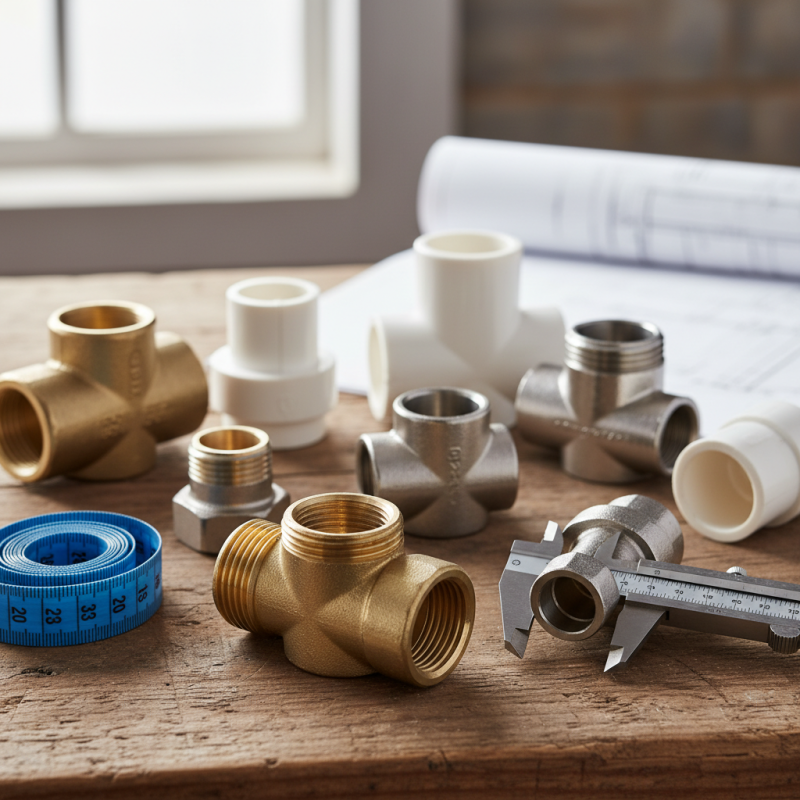
Pipe union fittings play a crucial role in various piping systems. They connect two pipes while allowing for easy disassembly. Understanding their types and applications is fundamental for effective usage. There are different varieties available, including threaded and socket-weld unions. Each type serves specific tasks based on the materials and pressure conditions.
Applications of pipe union fittings can be found in plumbing, HVAC, and industrial processes. In plumbing, they facilitate quick repairs and maintenance. For HVAC systems, they provide flexibility during installation. In industrial settings, these fittings ensure that connections can be easily changed as needs evolve. It's vital to consider the environment where the fitting will be used, including temperature and pressure.
Choosing the right fitting can be challenging. Not all unions are suitable for every situation. Users often overlook material compatibility, which can lead to leaks or failures. This can result in unforeseen costs and safety hazards. Thus, proper selection is essential. Assessing the specific requirements of your project helps avoid common pitfalls.
When selecting pipe union fittings, several factors should influence your decision. Material compatibility is crucial. Fittings must match the pipe material to prevent leaks. Consider whether you need metal, plastic, or a composite material. Each type has its pros and cons. Metal unions offer durability, while plastic can be lightweight and resistant to corrosion.
Next, think about the pressure requirements. Different applications will demand varying pressure ratings. Overlooking this can lead to catastrophic failures. Ensure the fittings can withstand the pressure involved in your system. Additionally, fitting sizes are important. A proper size ensures a tight seal and efficient flow, while incorrect sizing may cause blockages or leaks.
Lastly, installation ease should not be underestimated. Some fittings require special tools or techniques. Choosing easy-to-install options can save time and reduce errors. Reflect on your experience with similar fittings; this insight may guide your choices. It's wise to seek professional advice when in doubt.
This chart illustrates the factors to consider when selecting pipe union fittings based on importance.
When considering pipe union fittings, material choice is crucial. Different materials offer unique benefits, impacting durability and application. Common materials include brass, stainless steel, and plastic. Brass provides excellent corrosion resistance, ideal for water systems. Yet, it may be less effective in extremely high temperatures.
Stainless steel is another popular option. It is strong and withstands harsh environments. But its higher cost may deter some users. Plastic fittings can be lightweight and resistant to certain chemicals. However, they might not hold up under heavy stress. Users must evaluate their specific needs.
The right material choice can prevent leaks and ensure long-term performance. Undoubtedly, inadequate selections often lead to regrets. A fitting that breaks or leaks can cause significant problems. Focusing on materials helps avoid future issues. Taking time to research the benefits of different pipe union materials pays off.
| Material | Advantages | Applications | Temperature Range (°F) | Cost |
|---|---|---|---|---|
| Brass | Corrosion resistant, good mechanical properties | Water supply, gas applications | -40 to 180 | $$ |
| Stainless Steel | High strength, excellent corrosion resistance | Chemical processing, food industry | -320 to 1500 | $$$ |
| PVC | Lightweight, easy to install | Drainage, irrigation systems | 32 to 140 | $ |
| Copper | Antimicrobial properties, durable | Drinking water supply, refrigeration | -40 to 400 | $$$ |
| Aluminum | Lightweight, good thermal conductivity | Air conditioning, aerospace | -300 to 900 | $$ |
When selecting pipe union fittings, understanding their types is essential. Each type serves specific purposes in various applications. Common types include threaded fittings, which provide a tight seal, and slip-on fittings, known for ease of installation. For instance, a 2020 industry report showed that threaded fittings account for over 40% of the market due to their reliability in high-pressure systems.
Another vital category is the welded union fitting. These fittings are preferred for their strength and durability, especially in chemical and oil industries. According to the International Pipe Union Association, these fittings can withstand extreme temperatures and pressures, making them popular among engineers and contractors.
When installing pipe union fittings, proper technique is key to ensuring optimal performance. Start with cleaning the pipe ends thoroughly to remove any debris or rust. Debris can compromise the seal, leading to leaks. Use a compatible lubricant on the threads of the union to facilitate easier assembly. This small step can save you frustration later on.
During installation, align the fittings carefully to avoid unnecessary strain. Over-tightening can damage the fitting or the pipe. Always follow the manufacturer's guidelines for torque specifications. A common mistake is assuming that tighter is better, which can backfire. It’s advisable to check the fitting after a few days of use. This ensures the seal holds and prevents potential leaks.
Regular maintenance of pipe union fittings is essential for longevity. Inspect them periodically for signs of wear or corrosion. Replacing any damaged parts as soon as they are noted can prevent further issues. Documenting maintenance actions can help you track the condition of your pipes over time. Ignoring maintenance could lead to significant issues down the line, resulting in costly repairs.