#4 – 20133 102nd Avenue, Langley, B.C. V1M 4B4 Canada

#4 – 20133 102nd Avenue, Langley, B.C. V1M 4B4 Canada
Choosing a precision molding manufacturer is not just a price comparison. It is a decision about process control, material knowledge, and whether every production run can deliver parts that fit and function as intended. David Kazmer, a plastics engineering professor whose work covers polymer processing, offers a useful perspective: manufacturing performance depends on understanding and controlling the process. Put simply, ask for proof, not promises. This is a paraphrase, not a verbatim quotation.
A strong supplier should explain how it manages mold design, resin selection, machine settings, inspection, and changes between production runs. Ask to review sample parts, measurement records, and documented quality procedures. Look closely at the details: a thin wall near a snap-fit, a gate mark beside a sealing surface, or a dimension that shifts after cooling. These can reveal whether the manufacturer understands your part’s actual demands. Ask who will resolve problems when a trial part falls outside tolerance.
Price matters. So does clear communication. A low quote may leave out tooling changes, validation work, or realistic lead times. Do not assume every supplier handles these items the same way. I would also question impressive claims that lack supporting records; buyers sometimes overlook this when schedules are tight.
This guide will examine technical capability, quality evidence, equipment, communication, and total cost. It will also consider a less comfortable question: when should a manufacturer’s limitations outweigh its attractive quote? The best choice is not always obvious. That is why careful comparison matters.
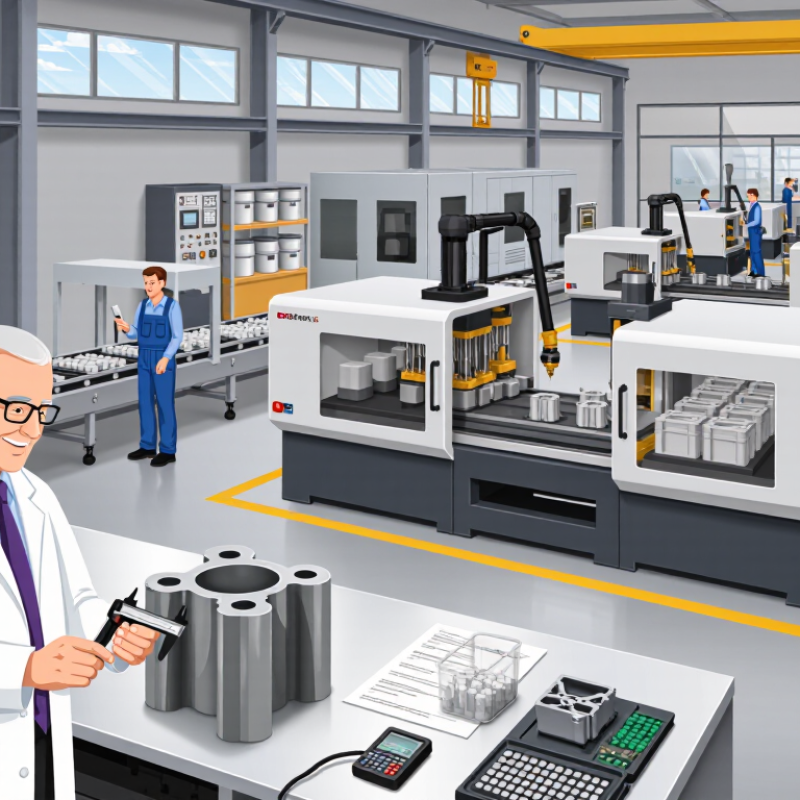
Before comparing precision molding manufacturers, turn the part concept into measurable requirements. Share a 2D drawing or 3D model, then identify critical dimensions, tolerances, surface finish, and any features that affect fit. A small snap-fit arm may need tighter control than a hidden interior rib. Mark which dimensions truly matter; applying tight tolerances everywhere can raise tooling and inspection costs without improving function.
Describe the material and operating conditions, too. Will the part face heat, moisture, cleaning agents, or repeated impact? Include target production volume, expected annual demand, and whether the design may change after initial trials. These details help a manufacturer assess mold layout, cavity count, resin behavior, and process controls. Ask how critical dimensions will be measured, and whether sample parts will be checked under the same conditions as production parts.
Set practical goals beyond unit price. Define acceptable scrap rates, delivery expectations, documentation needs, and how design changes should be handled. Teams sometimes rush this part. That can be costly. One detail is easy to miss: state how the finished part will be used and assembled, not just how it looks on a screen. Early requirements are rarely perfect, and that is normal. Leave room to review assumptions after prototype testing.
A capable precision molding manufacturer should explain how its process controls critical dimensions, not merely claim tight tolerances. Ask about parts similar to yours, including their materials, wall thicknesses, and quality requirements. Specific examples are more useful than broad promises. What changed after a trial run? That answer can reveal practical experience.
Examine the molding equipment and its condition. Press capacity, shot size, and clamp force should suit the part and resin, with enough flexibility for stable production. Ask how technicians monitor temperature, pressure, and cycle time. Check whether measurement tools can verify the features that matter, such as a thin rib or a small locating hole. Calibration records count. So does maintenance.
A newer machine is not automatically the better choice. Experienced teams may produce more consistent parts on well-maintained equipment matched to the job. Request a review of the tooling plan, sample inspection results, and process data from a representative run. If a supplier cannot explain how it handles variation between cavities or production batches, pause and ask more questions. I would also avoid treating one successful sample as proof; real production can expose weaknesses that a short trial misses.
| Assessment Dimension | What to Check | Evidence to Request | Signs of Strong Capability |
|---|---|---|---|
| Process experience | Experience with the required process, such as injection molding, insert molding, overmolding, or micro molding. | Examples of comparable parts, process flow, and a discussion of material and design trade-offs. | The team can explain process-specific risks and how these affect part geometry, tooling, and production. |
| Material expertise | Experience processing the specified resin, including filled, reinforced, engineering, or elastomeric grades where applicable. | Material handling procedures, drying requirements, resin traceability practices, and examples using similar grades. | Material recommendations are supported by technical data and are checked against the part’s operating conditions. |
| Molding machine range | Whether available machines suit the part’s projected shot size, mold dimensions, clamp requirements, and production volume. | Machine specifications, including clamp force, shot capacity, tie-bar spacing, platen dimensions, and control capabilities. | The manufacturer can identify a suitable machine and explain why its capacity fits the specific mold and part. |
| Process control | How key molding conditions are established, monitored, documented, and controlled from setup through production. | Setup sheets, process-monitoring records, alarm limits, change-control procedures, and examples of production data. | Critical parameters have defined limits, and changes are recorded and reviewed rather than managed informally. |
| Dimensional capability | How the manufacturer verifies critical dimensions and manages variation across cavities and production runs. | Inspection plans, measurement-system details, sample inspection reports, and capability studies for agreed critical features. | Measurement methods and acceptance criteria are agreed before production; capability claims are supported by relevant data. |
| Tooling and mold maintenance | Who designs, builds, validates, repairs, and maintains the mold, including provisions for multi-cavity tooling. | Tooling specifications, maintenance schedules, mold history records, and a clear ownership and repair plan. | Preventive maintenance is documented, and wear parts, spare components, and mold changes are managed systematically. |
| Measurement equipment | Whether inspection equipment matches the part’s tolerances, geometry, and surface requirements. | Equipment list, calibration records, inspection methods, and examples of reports for similar parts. | Tools such as CMMs, optical systems, or gauges are selected according to the measurement task and kept calibrated. |
| Quality system and traceability | How incoming materials, process lots, inspections, nonconformances, and corrective actions are documented. | Relevant quality-system certifications, sample traceability records, nonconformance procedures, and audit information. | Records can link finished parts to production and material lots, and corrective actions address root causes. |
| Production readiness | Whether the manufacturer can support sampling, validation, production ramp-up, and the expected ongoing demand. | Project plan, trial schedule, capacity assumptions, validation approach, and contingency planning. | Milestones, responsibilities, acceptance criteria, and capacity risks are discussed before production begins. |
| Technical collaboration | How early the molding team reviews part design for manufacturability, tooling access, and likely process risks. | Design-review examples, documented recommendations, and a process for resolving engineering changes. | Feedback is specific and considers function, tolerances, material behavior, tooling, and production repeatability. |
A precision molding supplier should show how its quality system works on the production floor, not just present a certificate. Check that its ISO 9001 certificate is current and covers the facility and molding processes you will use. The ISO Survey 2022 reported 1,265,216 valid ISO 9001 certificates worldwide. That scale makes certification useful as a baseline, not a guarantee of consistent parts. Ask to see recent audit findings, corrective-action records, and how operators control resin drying, machine settings, and mold changes.
Inspection methods should match the part’s risks. Request a dimensional report from a coordinate-measuring machine or optical system, plus evidence that gauges are calibrated and measurement methods are repeatable. For critical dimensions, compare first-article results with ongoing checks and review control charts across production lots. Traceability matters, too: a sample record should connect resin batch, machine, cavity, inspection results, and shipment. A polished dashboard can still hide gaps between shifts. Look at the actual records.
Tips: Ask for a sample inspection plan and a redacted lot history. Confirm who approves deviations, how quickly issues are escalated, and whether the supplier verifies corrective actions. A certificate can open the conversation; real production evidence should carry it.
Verify quality systems, certifications, and inspection methods using a structured review.
How to use this chart: These are suggested review weights, not industry benchmark data. Confirm certification scope and validity, request inspection records and measurement-system evidence, and tailor the weighting to your part and regulatory requirements.
When comparing material options, ask how each resin performs in the actual part, not just on a data sheet. A supplier should explain shrinkage, moisture sensitivity, chemical exposure, and temperature limits. For example, a snap-fit component may need flexibility, while a housing near a warm motor needs heat resistance. Request samples or test data for the proposed grade. Details matter. A material change can affect dimensions and cycle time, even when the part looks unchanged.
Production capacity means more than the number of molding machines. Check machine tonnage, available shifts, mold cavities, and room for scheduled maintenance. Ask how the manufacturer handles inspection and production records across a long run. If demand rises, can the same process scale without changing the tool or quality checks? A tidy capacity spreadsheet can still miss a bottleneck in finishing or packaging. It is worth asking for the awkward details.
Lead times should separate tooling, first-article sampling, revisions, production, and shipping. Get realistic ranges for each stage, plus the assumptions behind them, such as approved drawings and material availability. Compare quoted dates with recent project examples, not only best-case estimates. Ask what happens if a sample fails inspection. A clear update schedule helps, though it cannot remove every delay. Allow time for review; teams sometimes underestimate it.
A precision molding manufacturer should explain technical decisions in plain language.
During early discussions, ask who will review the part design, confirm critical dimensions, and flag risks such as uneven wall thickness. Clear answers matter. A useful partner shares marked-up drawings and records open questions, rather than promising that every feature is easy to mold. Notice response times, too. If a simple tolerance question takes days to clarify, production changes may become harder to manage.
Request a quote that separates tooling, sampling, production, inspection, and shipping costs. Check what assumptions shape the price, including resin grade, expected order volume, and inspection frequency. A low figure can hide important exclusions. Ask how changes affect cost and lead time, and request sample inspection data tied to the drawing’s critical dimensions.
Long-term support should include a practical mold-maintenance plan, accessible process records, and a named contact for troubleshooting. Even a careful launch can reveal issues; an occasional assumption will need revisiting. That is normal. What matters is whether the manufacturer documents the adjustment, explains its impact, and helps keep later batches consistent.