#4 – 20133 102nd Avenue, Langley, B.C. V1M 4B4 Canada

#4 – 20133 102nd Avenue, Langley, B.C. V1M 4B4 Canada
In the competitive world of mold manufacturing, efficiency and quality are paramount. The demand for high-quality molds is rising across various industries. Manufacturers must adapt to changing needs and optimize their processes. This means reevaluating current practices and embracing innovative techniques.
One area often overlooked is worker training. A skilled workforce can significantly impact production quality. Additionally, equipment maintenance plays a crucial role. Properly maintained machines run better and reduce defects, but often, this aspect is neglected. Overlooked machinery can lead to delays and increased costs.
Furthermore, integrating technology can enhance productivity. Automation and advanced software streamline production, yet many companies resist change. Facing these challenges requires a commitment to continuous improvement. Mold manufacturing is complex, and there is always room for reflection and growth. Aim for a balance between efficiency and quality to thrive in this industry.
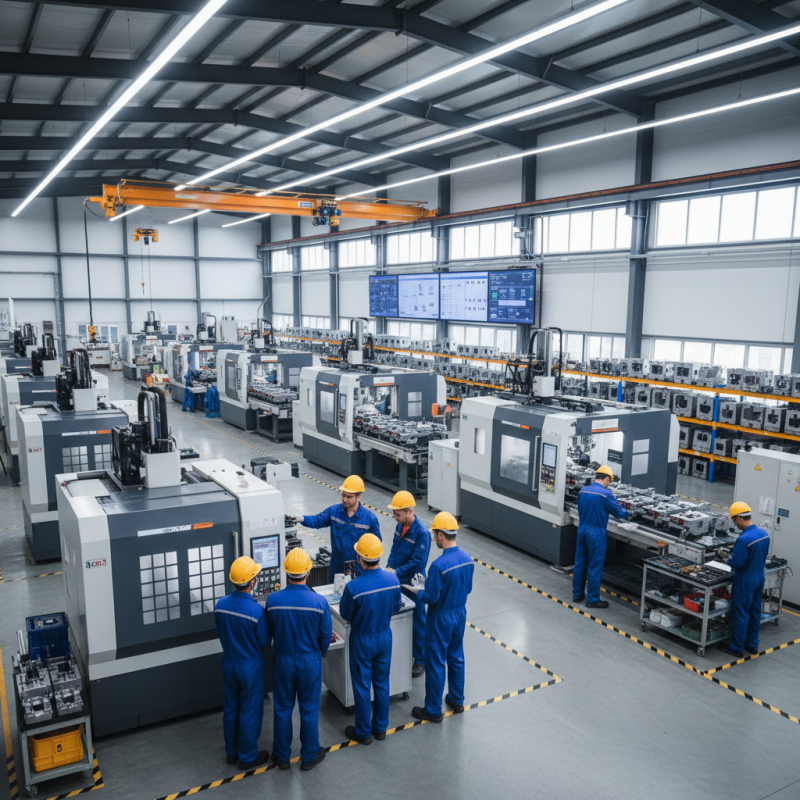
Mold manufacturing involves various key players and intricate processes. At the core, there are design engineers, mold makers, and quality inspectors. Data from industry reports indicate that up to 30% of production time can be wasted due to inefficiencies. This wastage often stems from miscommunication between teams and lack of proper planning. When teams do not synchronize effectively, it leads to delays.
In the mold manufacturing process, precision is paramount. Each step, from material selection to machining and finishing, plays a crucial role. A recent study found that nearly 40% of defects occur during the machining phase, often due to inadequate tooling. Manufacturers need to invest in better technology and training. While some firms focus solely on output, neglecting quality control can result in costly reworks later.
Moreover, sustainability is becoming a pressing issue. The mold manufacturing sector is responsible for significant waste generation. Reports show that approximately 20% of materials can end up as scrap. Implementing lean manufacturing principles could mitigate this. Continuous reflection on practices can help improve both efficiency and environmental impact.
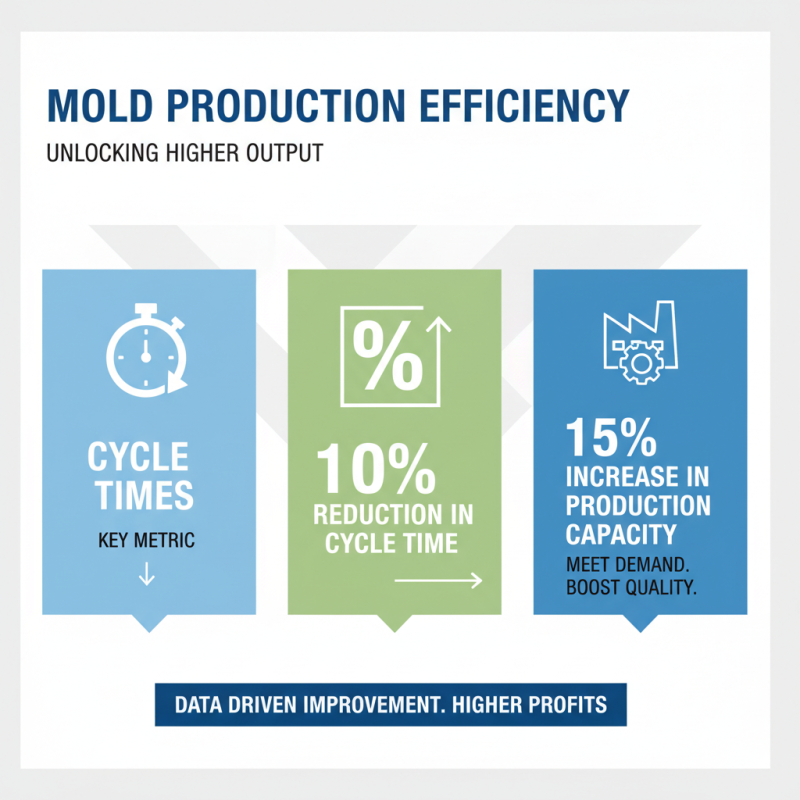
Mold production efficiency heavily relies on key metrics. Recent studies show that improving cycle times can enhance output significantly. Reducing cycle times by just 10% can lead to a 15% increase in production capacity. This metric is crucial for manufacturers aiming to meet high demand without compromising quality.
Another essential metric is the scrap rate. A report from the Moldmaking Technology Association indicates that an average mold shop experiences a scrap rate of around 5%. This rate is concerning. Even a slight reduction can lead to substantial cost savings. Targeted training for operators and regular maintenance of machinery can mitigate this issue. Inconsistent quality often stems from overlooked equipment wear and tear.
Quality control measures also play a vital role. The use of real-time monitoring systems can detect defects early. By adopting these systems, manufacturers can decrease the reject rate by up to 20%. However, many shops still hesitate to invest in such technologies. They view costs as prohibitive, yet the long-term savings may outweigh initial expenditures. Understanding these efficiency metrics is essential for advancing mold manufacturing.
Quality control is vital in mold manufacturing. Techniques like statistical process control (SPC) can significantly enhance mold durability. According to a 2022 report from the International Journal of Advanced Manufacturing Technology, effective SPC reduces defects by up to 30%. This is crucial in minimizing waste and increasing efficiency.
Implementing real-time monitoring systems also plays a key role. Data analytics can track defects immediately. It allows manufacturers to adjust processes on the fly. A 2023 study showed that manufacturers leveraging data analytics achieved a 25% increase in mold lifespan. However, many still rely on outdated practices.
Another technique to consider is regular training for personnel. Skills can degrade over time, leading to inconsistencies. A 2021 survey by the Mold Makers Association found 45% of mold manufacturers lack adequate training programs. Investing in training could resolve this issue, fostering a culture of continuous improvement. Quality doesn't just happen; it requires dedicated effort and continuous reflection.
| Quality Control Technique | Description | Benefits | Impact on Efficiency |
|---|---|---|---|
| Regular Maintenance | Routine inspection and upkeep of molds. | Increases mold longevity and performance consistency. | Reduces downtime and maintenance costs. |
| Process Simulation | Using software to model the injection molding process. | Identifies potential issues before production starts. | Enhances production accuracy and speed. |
| Material Inspection | Checking raw materials for quality and consistency. | Ensures high-quality end products. | Reduces scrap rates and rework time. |
| Training Programs | Continuous education for staff on best practices. | Improves skill sets and safety awareness. | Increases overall productivity. |
| Statistical Process Control (SPC) | Using statistical methods to monitor and control the process. | Identifies variations in the process. | Enhances reliability and reduces defects. |
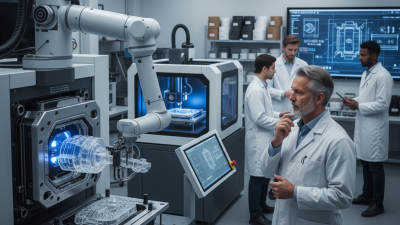
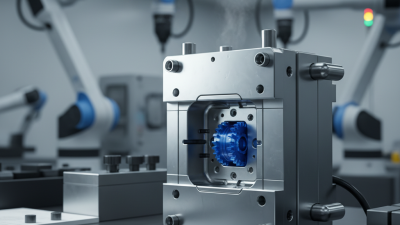
Implementing automation in mold manufacturing is revolutionizing efficiency and quality. By using robotic arms and automated machinery, manufacturers can speed up production times significantly. Tasks that once required hours can now be completed in minutes. For instance, automated CNC machines can produce intricate designs with high precision. This reduces human error and leads to cleaner, more consistent results.
However, automation isn't without its challenges. Initial setup costs can be daunting for many manufacturers. Additionally, training staff to work alongside advanced technology can create a learning curve. Some employees may feel threatened by the shift towards automation. It’s essential to foster a collaborative environment. Encouraging employees to embrace technology can maximize benefits.
While automation offers substantial improvements, manufacturers must remain vigilant. Regular maintenance of automated systems is critical to avoid downtime. Occasionally, machines may malfunction unexpectedly, leading to potential delays. Companies should develop contingency plans for these scenarios. Adapting to these new technologies is a journey, and constant evaluation is necessary to ensure progress.
Mold manufacturing requires precision and quality. One effective way to enhance both is through the use of advanced materials. These materials not only improve mold performance but also lead to more efficient production processes.
Using materials like high-performance polymers can significantly reduce the weight of molds. This reduces the energy consumption during the manufacturing process. Additionally, advanced coatings can improve the mold's resistance to wear and tear, extending its lifespan. However, choosing the right material is crucial. Not all materials are suitable for every application.
Tips: Always conduct thorough testing of materials before full-scale production. Monitor mold performance regularly to identify any issues early on. This proactive approach can save resources in the long run.
Moreover, while advanced materials offer many benefits, they can pose challenges in terms of cost and availability. Understanding these factors can help manufacturers make better decisions. Balancing quality and efficiency is key to optimizing the mold manufacturing process. Be willing to adapt and revise your strategies based on real-world outcomes.