#4 – 20133 102nd Avenue, Langley, B.C. V1M 4B4 Canada

#4 – 20133 102nd Avenue, Langley, B.C. V1M 4B4 Canada
Injection molding is a widely used manufacturing process essential for producing plastic parts. It involves injecting molten plastic into a mold, allowing it to cool and solidify into a desired shape. This method can create complex designs with high precision and repeatability. Experts in the industry emphasize the efficiency of this process. For instance, Dr. Emily Carter, a leading figure in injection molding technology, notes, "Injection molding is the backbone of modern manufacturing."
The injection molding process can be both straightforward and challenging. It requires careful calibration of temperature, pressure, and timing. Each detail affects the final product's quality. Manufacturers sometimes face issues like warping or uneven surfaces. That highlights the necessity for experienced technicians in ensuring optimal performance. They must quickly troubleshoot problems and adapt.
New advancements in injection molding continue to emerge. However, there remains room for improvement. Sustainability practices are slowly integrating into the field. As producers seek eco-friendly materials, they also face challenges in achieving consistent production quality. This evolving landscape makes it crucial to keep refining techniques.
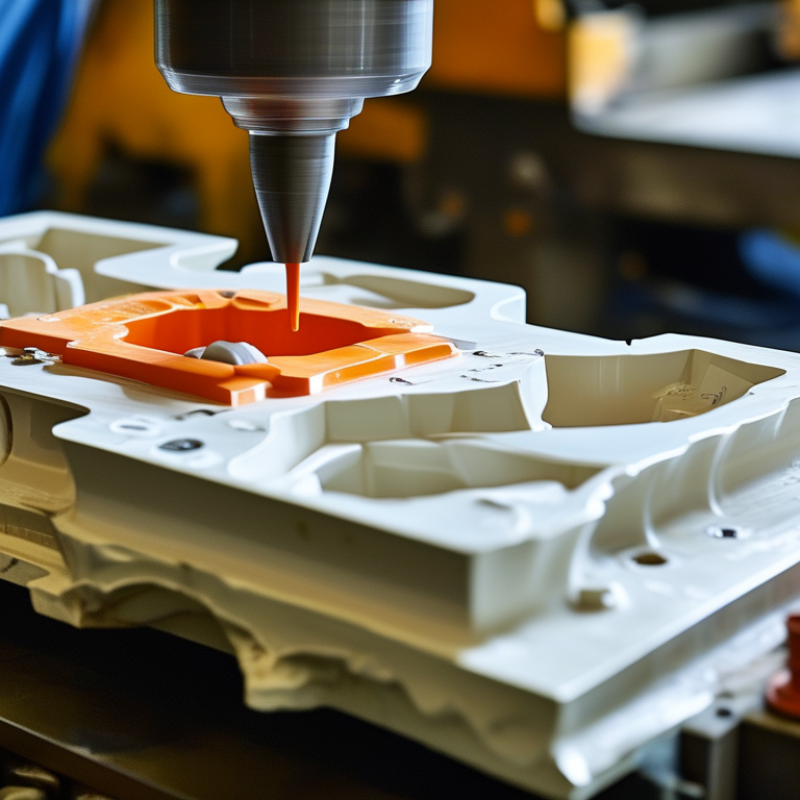
Injection molding is a widely used manufacturing process for producing parts in large volumes. It involves injecting molten material, typically plastic, into a pre-designed mold. This method is crucial in industries like automotive, aerospace, and consumer products. According to the Plastics Industry Association, about 32% of all plastics produced in the United States are made through injection molding. This highlights its significance in the modern manufacturing landscape.
The injection molding process includes several key stages. First, raw plastic pellets are heated and melted. Then, the molten plastic is injected into a mold cavity under high pressure. Once cooled, the mold is opened, and the solid part is ejected. It's essential to note that maintaining mold precision is critical. Deviations of just a few microns can impact product quality. Additionally, factors such as cooling time and injection speed can affect cycle efficiency.
Recent studies suggest that optimizing these variables can lead to a 15-30% reduction in production costs, underscoring the need for continual process evaluation and refinement.
Injection molding is a widely used manufacturing process. It allows the efficient production of complex shapes. The choice of materials plays a crucial role in this method. Various types of materials can be utilized, each with distinct properties.
Thermoplastics are common in injection molding. They are easily melted and reshaped. This results in strong and durable products. Polypropylene is lightweight and resistant to stress, making it ideal for packaging. Acrylonitrile-butadiene-styrene (ABS) offers excellent impact resistance, favored for consumer goods.
Thermosetting plastics are different. Once set, they cannot be remolded. This property grants them high thermal stability. However, they require precise processing. Each material has pros and cons. Understanding these nuances shapes effective production strategies. Quality depends on careful selection. Engineers and designers continuously refine choices, balancing performance and cost.
The injection molding process transforms raw materials into durable plastic products. This method involves several crucial steps. First, polymer grains are fed into a heated barrel. The temperature softens them, turning them into a malleable state. This process requires precise temperature control. According to industry reports, maintaining the right temperature can improve cycle times by 40%.
Next, the molten plastic is injected into a mold at high pressure. This step shapes the material into the desired form. High pressure helps fill the mold completely, ensuring no air pockets remain. However, achieving uniform pressure is often challenging. Fluctuations can lead to defects, impacting final product quality. Industry standards suggest keeping pressure within 10% of the optimal level.
After the material cools, the mold opens, and parts are ejected. Precision in cooling time is vital, as under-cooling can cause shape distortions. This step often encounters difficulties, especially with complex designs. A 2022 study highlighted that 30% of rejected products result from cooling issues. Optimizing each stage ensures better outcomes and reduces waste, a growing concern in the industry.
Injection molding is a manufacturing process widely used across various industries. This method allows for the creation of complex shapes and products at high volumes. Reports indicate that the global injection molding market is expected to reach $305 billion by 2028. This growth is driven by increasing demand in automotive, consumer goods, and medical sectors.
In the automotive industry, injection molding is crucial for producing components like dashboards and bumpers. The method helps reduce weight and enhances fuel efficiency. The medical field also benefits, as injection molding ensures the precision required for devices like syringes and surgical tools. Manufacturers can create sterile and durable products, crucial for patient safety.
Tips: Optimize the design for injection molding to minimize manufacturing costs. Also, consider using recycled materials to reduce environmental impact. Regularly evaluate your production processes for areas of improvement. Identifying inefficiencies can lead to cost savings and better throughput.
Injection molding is a widely used manufacturing process for producing plastic parts. It offers numerous benefits but also comes with some drawbacks. Understanding these can help manufacturers choose the right approach.
One major advantage of injection molding is efficiency. The process allows for high-volume production, reducing unit costs. Items can be produced quickly, which is crucial in today’s fast-paced market. This method also supports complex designs, enabling intricate shapes and fine details. Moreover, materials can be reused. However, tooling costs can be high. Creating molds requires significant investment, which can deter smaller manufacturers.
There are notable disadvantages as well. The initial setup time for the molding machine is lengthy. This can delay project timelines, especially for small runs. Additionally, not every design translates well to injection molding, which can limit creativity. Variability in the material quality can lead to defects. Addressing these issues requires expertise and careful planning, making the process less straightforward than it may seem.
| Aspect | Details |
|---|---|
| Definition | Injection molding is a manufacturing process for producing parts by injecting molten material into a mold. |
| Materials Used | Common materials include thermoplastics, thermosetting plastics, metals, and glass. |
| Advantages | High production speed, consistent part quality, complex geometries, low labor cost, and minimal waste. |
| Disadvantages | High initial tooling cost, design limitations due to tooling constraints, and long lead times for mold production. |
| Applications | Widely used in automotive, consumer goods, electronics, and medical devices. |
| Process Steps | Material feeding, melting, injection, cooling, and ejection. |