#4 – 20133 102nd Avenue, Langley, B.C. V1M 4B4 Canada

#4 – 20133 102nd Avenue, Langley, B.C. V1M 4B4 Canada
Insert injection molding is gaining traction in various manufacturing processes. This technique combines traditional injection molding with the insertion of components like metal or other plastics. According to a recent report by the Plastics Industry Association, the U.S. injection molding market was valued at over $17 billion in 2021 and is expected to grow significantly.
The demand for precise and durable components is driving this growth. Industries such as automotive and electronics increasingly adopt insert injection molding. This method enhances product strength and reduces assembly time. However, it also presents challenges. Integrating different materials can lead to bonding issues. This area requires careful attention for optimal performance.
While insert injection molding offers many advantages, manufacturers must be mindful of potential drawbacks. Quality control must be a priority. Inconsistent results can occur due to variations in materials or molding processes. Continuous improvements and innovations in this field are essential for meeting industry standards.
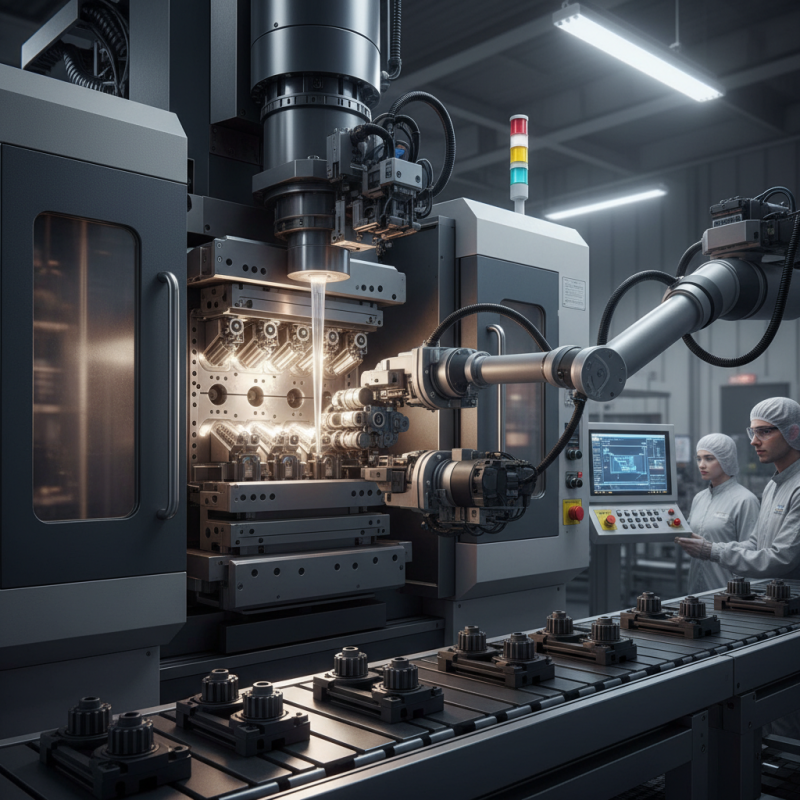
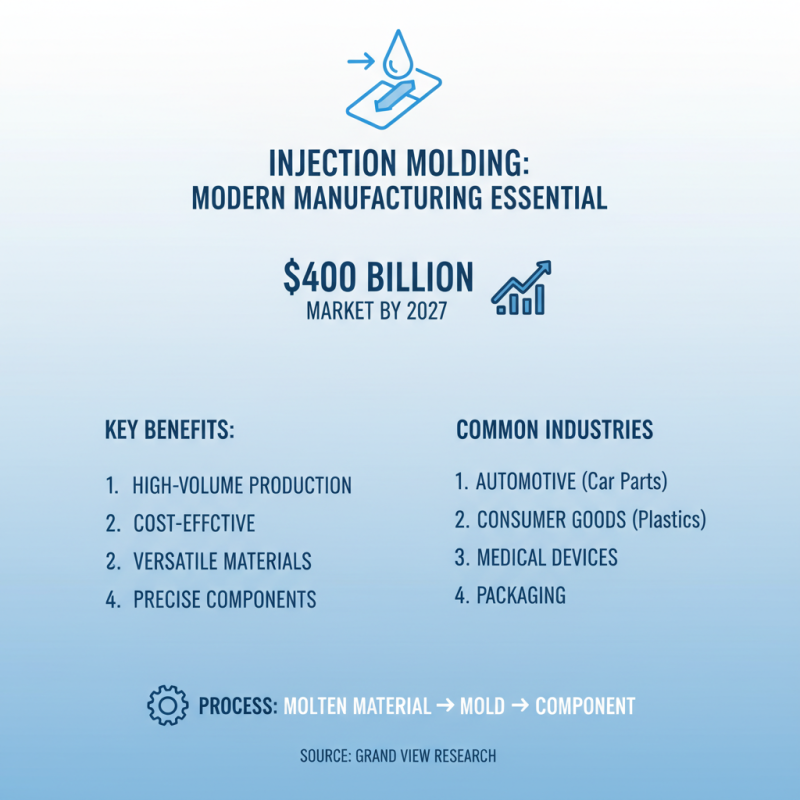
Injection molding is a vital process in modern manufacturing. This technique involves injecting molten material into a mold to create components. It is widely used in industries like automotive and consumer goods. According to a recent report from Grand View Research, the injection molding market is projected to reach $400 billion by 2027. This growth reflects the increasing demand for efficient and cost-effective production methods.
Implementing injection molding requires careful consideration. Here are some tips for success. Ensure your molds are designed for easy maintenance and quick changeovers. This can reduce downtime significantly. Also, consider the material selection; thermoplastics dominate the market for their versatility but may not always be the best choice for every application.
While injection molding offers many benefits, challenges exist. Material waste can occur if not managed properly. It’s crucial to analyze production processes regularly. Fine-tuning machine settings can minimize defects and improve efficiency. Remember, even a small adjustment may lead to better output quality.
Injection molding has become a foundational process in many manufacturing settings. It offers significant advantages that can enhance productivity and efficiency. By creating precise molds from a variety of materials, manufacturers can produce high volumes of consistent parts. This is particularly useful for industries like automotive and consumer goods. The ability to replicate designs accurately is a major benefit, as it reduces the likelihood of defects.
One key benefit of injection molding is its versatility. This process can accommodate various materials, including plastics, metals, and composites. A wide range of designs can be achieved, from simple to complex geometries. However, this adaptability requires careful planning and design. Miscalculations in mold design can lead to issues such as warping or incomplete fills. Constant testing and tweaking of the molds are essential to achieving optimal results.
Cost-effectiveness is another advantage of injection molding. Once the molds are created, production costs drop significantly for large runs. However, initial costs for mold development can be high. It demands a careful balance of investment versus return. Manufacturers must consider these factors when implementing injection molding to ensure it aligns with their production goals. Achieving the right mix of quality and cost can sometimes be challenging.
Injection molding is a transformative process in modern manufacturing. Essential equipment and materials play a crucial role in its effectiveness. Machines, molds, raw materials, and auxiliary equipment are key components.
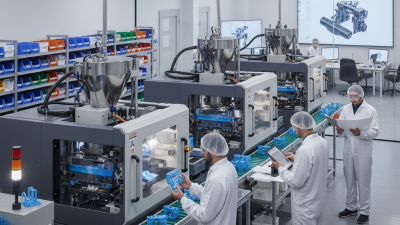
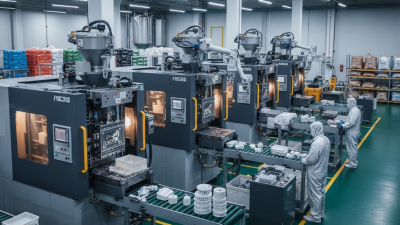
The primary machine used is the injection molding machine. It combines heat and pressure to shear molten plastic into molds. According to industry reports, over 30% of plastic products are created through this method, showcasing its significance. Molds are often made from steel or aluminum to ensure durability. The choice of material influences the final product’s quality and cost.
TIP: Selecting the right mold can save time and reduce defects. Consider the complexity of your design.
Raw materials, predominantly thermoplastics, are chosen based on the product's requirements. Polymers like polypropylene and polyethylene are commonly used. They provide a good balance of strength and flexibility. Auxiliary equipment, such as temperature controllers and conveyors, enhances workflow and efficiency.
TIP: Keep an eye on material consistency. Even slight variations can affect production.
Investing in high-quality equipment cannot be overstated. However, it’s essential to evaluate if expensive machinery is necessary for smaller projects. Balancing cost with quality may require ongoing assessment and adjustments. Reflecting on these elements can lead to a more optimized injection molding process.
| Equipment/Material | Description | Application | Typical Cost (USD) |
|---|---|---|---|
| Injection Molding Machine | A machine that melts plastic and injects it into a mold. | Used for making plastic parts in high volume. | $20,000 - $250,000 |
| Molds | Custom-designed containers in which plastic is formed. | Essential for creating the shape of the final product. | $5,000 - $100,000 |
| Plastic Resins | Raw material, available in various types of plastics. | Used as the base material for forming parts. | $1 - $5 per kg |
| Cooling Systems | Systems that cool the molded parts after injection. | Ensures quick and efficient cooling to maintain part quality. | $2,000 - $50,000 |
| Sprue and Runner System | Channels that direct material into the mold cavity. | Critical for material flow in the molding process. | $500 - $5,000 |
| Injection Nozzle | The part of the machine that injects plastic into the mold. | Facilitates the actual injection of material into molds. | $100 - $1,000 |
Injection molding is a crucial technique in manufacturing. It allows for efficient mass production of various plastic components. To implement this process, begin with thorough planning. Identify the specific needs of your production line. Consider materials, design, and production volume. Each choice will influence your final product.
Next, create a detailed prototype. This step is essential to visualize the component. It also helps identify potential design flaws early. Use computer simulations to refine the design. Test the prototype to observe its performance. Not every prototype will meet expectations. Sometimes, you will need to revisit your initial designs.
After finalizing the design, invest in quality molds. The mold quality can significantly affect the production’s success. Monitor the manufacturing parameters closely. Adjust them whenever necessary to maintain quality. Keep in mind that challenges may arise during production. It’s vital to remain flexible and ready to adapt. This process often requires iteration, so learning from mistakes becomes essential.
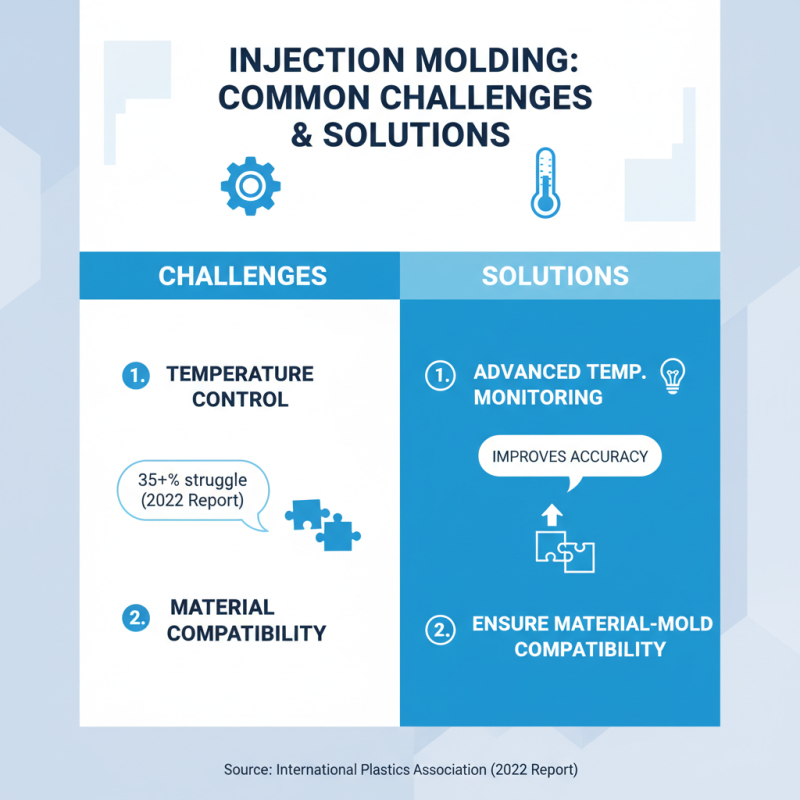
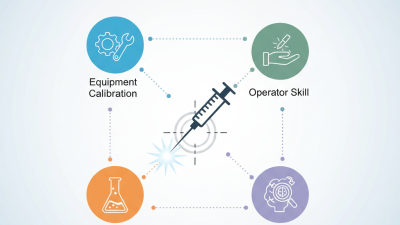
Injection molding is a pivotal manufacturing process, yet integrating it can present significant challenges. According to a 2022 report by the International Plastics Association, over 35% of manufacturers struggle with precise temperature control during the molding process. This inconsistency leads to defects, increasing waste and production costs. Implementing advanced temperature monitoring systems can vastly improve accuracy. Additionally, it is crucial to ensure that the materials used are compatible with the molds to avoid further complications.
Another common issue is cycle time management. Many manufacturers report an average cycle time reduction goal of 20% for improved efficiency. However, achieving this can be complex due to the need for balancing speed and quality. Regular training for operators can help address this. Ensuring clear communication between design and production teams is also essential. Often, the gap in understanding can lead to ineffective production runs. The National Institute of Standards and Technology notes that proactive training can improve production efficiency by 15%.
Moreover, the integration of automation in injection molding processes is still not fully embraced. A recent survey revealed that about 40% of manufacturers have not automated their systems. This highlights a critical area for improvement. Embracing automation can reduce human error and enhance overall productivity. Yet, many businesses remain hesitant due to high initial costs and technological familiarity. These barriers must be addressed for successful integration.