#4 – 20133 102nd Avenue, Langley, B.C. V1M 4B4 Canada

#4 – 20133 102nd Avenue, Langley, B.C. V1M 4B4 Canada
Choosing a Parking Lock is not just a matter of comparing prices. A unit that looks sturdy in a product photo may struggle with rain, grit, or repeated daily use. Global buyers also face different vehicle sizes, installation surfaces, power options, and service expectations. Small details matter. A narrow mounting plate can complicate installation, while a slow motor may frustrate drivers during busy hours.
This guide uses an illustrative quote from a fictional parking-systems specialist, clearly presented as a teaching example: “Buy for the site’s real conditions, not the showroom description.” That principle shapes the seven tips ahead. They cover material quality, lifting height, operating method, battery life, weather resistance, installation, and after-sales support. Each point helps buyers ask more precise questions before requesting samples or approving a purchase. A specification sheet is useful, but it cannot show every weak point. Ask for cycle-test information, clear warranty terms, and practical installation guidance. Check how the lock behaves on uneven pavement, too. That detail is easy to overlook. It may matter more than another polished feature claim. No single model fits every location, and a lower purchase price can bring extra maintenance later. Compare the complete operating picture, then verify important claims with supplier documents and product testing. These steps do not remove every risk. They make a more informed decision possible.
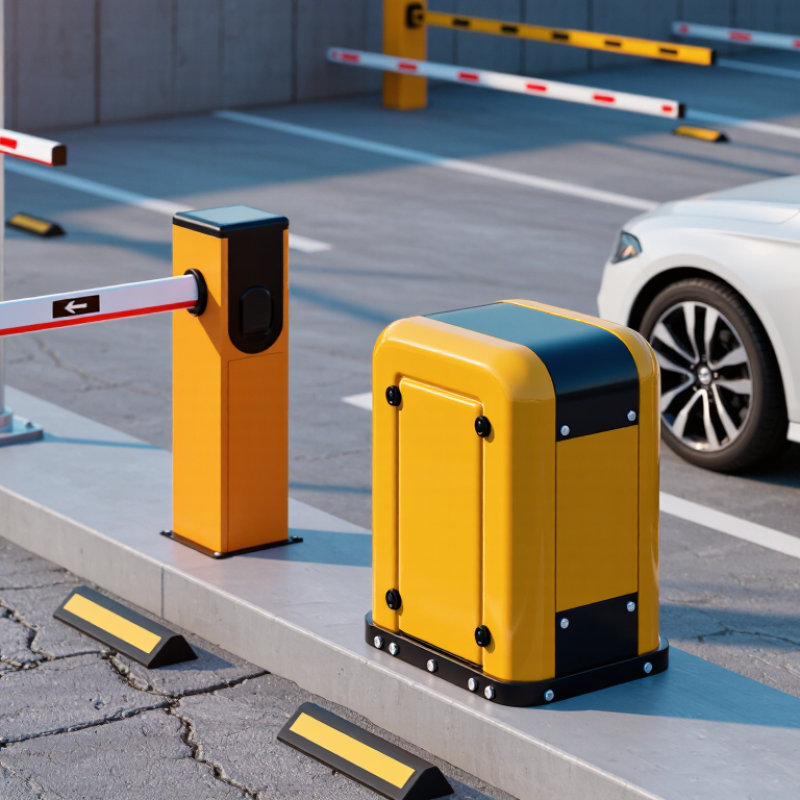
Parking locks generally fall into three groups: manual, electromechanical, and hydraulic. A manual lock uses a hinged steel barrier, raised and secured by hand. It needs no power, but users must bend, lift, and relock it every time. Electromechanical models use a motor to raise a plate or arm after a remote, keypad, or access signal. Hydraulic designs use pressurized fluid to move heavier barriers. They can feel smooth, yet seals and fluid need attention.
The mechanism matters more than the product label. Check how the lock senses an obstruction, how long it takes to rise, and what happens during a power cut. Some models include a battery; others need manual release. Test these details with a loaded vehicle nearby, not only in a showroom. A 2023 Grand View Research report valued the broader global parking management market at about US$4.72 billion, with projected growth of 11.1% annually through 2030. That figure covers more than parking locks, so it is market context, not proof of lock quality. No type is perfect. A reliable-looking unit can still frustrate users if its remote range is short or its plate traps leaves and grit. Check the mechanism in the conditions where it will actually operate.
How to read this chart: The bars show whether an operating option is typical in each example configuration, not a performance score. Manual locks are raised and lowered by hand; electric locks use a motor, commonly controlled by a remote. Solar-assisted models use solar charging to support the battery. Available controls and power arrangements vary by product, so confirm operating method, power supply, and charging requirements before buying.
A parking lock should match the site, not just the vehicle.
Measure the parking bay, including its slope, clear width, and distance from walls or walkways. Check the surface, too. Loose paving, cracked concrete, and standing water can affect mounting stability and long-term operation. Small details matter.
Security needs depend on what the space protects and how often people use it. A reserved residential bay may need a different access method from a delivery area with frequent vehicle changes. Consider who will operate the lock, whether remote access is practical, and how visible the device is at night. A lock that is difficult to reach or understand may be left unused. That can change the risk.
Match the mechanism to local conditions and daily routines. In exposed locations, ask suppliers about water resistance, corrosion protection, and expected temperature ranges. For powered models, confirm the power source and what happens during an outage. Manual operation may be simpler, but users still need enough clearance and safe access.
One detail is easy to miss: check the vehicle’s ground clearance before installation. Compare product dimensions with the car, then verify mounting requirements with a qualified local installer. A measurement taken in a hurry can be wrong. It is worth checking twice.
Material choice affects service life, weight, and maintenance. Powder-coated steel handles frequent vehicle contact, but scratches can expose metal to moisture. Aluminum resists rust and is easier to carry, though its strength depends on design and thickness. For coastal sites, inspect fasteners and seams, not just the outer shell. Small details matter.
Power options suit different locations. Mains power can support frequent operation, but installation may be inconvenient where wiring is limited. Rechargeable batteries simplify setup; check expected cycles, charging time, and cold-weather performance. Solar-assisted models need enough direct light, which a shaded garage may not provide. I would not choose on claimed battery life alone. Ask how it was tested.
Safety features deserve hands-on checks. Look for obstacle sensing, a manual release, and clear status indicators. Test the lock with a small object in its path, following the maker’s instructions. Test it wet. A raised arm should be visible at night, so reflective surfaces or built-in lighting can help. Confirm the enclosure’s water and dust rating matches the site, then inspect seals after installation. One limitation remains: a feature list cannot show how quickly support will respond when a unit fails. I may be giving specifications too much weight; a realistic operating trial can reveal awkward controls or slow movement.
When comparing parking lock suppliers, look beyond a polished product sheet. Ask who manufactures the unit, where final assembly happens, and whether the quoted model matches the sample. A clear answer matters. Request test records for load, water resistance, and repeated operation, then check that each report identifies the same model and configuration. Certificates can support a decision, but their scope varies. Verify the issuing organization and confirm the document covers the product you plan to buy. A neat PDF alone is not proof.
Read the warranty before discussing price. Check its duration, covered components, shipping responsibility, and exclusions for batteries, corrosion, or installation errors. These details differ between suppliers. Ask for a written process for reporting faults, including the evidence required and expected response time. After-sales support should include practical help, such as wiring diagrams, spare-part availability, and troubleshooting steps for a lock that stops halfway. Test the contact channel before ordering; a fast sales reply does not guarantee technical support. Time zones can slow things down. I would still ask how the supplier handles unclear cases, because real failures rarely match a perfect checklist. A small trial order may reveal more than another sales call.
For global orders, compare landed cost, not just the factory price. Ask for separate quotes covering packaging, inland transport, ocean freight, insurance, and spare parts. UNCTAD’s Review of Maritime Transport 2024 reports that over 80% of world trade by volume travels by sea. That scale makes shipping exposure worth planning for. Request a freight validity period and allow a contingency for delays or rate changes. Small details matter. Confirm carton dimensions and gross weight before booking; they can affect freight charges and warehouse handling.
Installation costs depend on the site. Before ordering, share photos, surface type, slope, drainage conditions, and vehicle clearance with the supplier. Check whether the lock needs concrete anchors, electrical access, or only a level surface. Ask for installation drawings and a clear parts list, then have the local installer review them. A short pilot installation can reveal problems before a full shipment arrives. It may feel like extra work, but discovering a poor fit after delivery is worse.
Plan maintenance around actual use, not an optimistic estimate. Request guidance on inspection intervals, battery replacement, corrosion checks, and wear-part availability. Keep a small stock of critical parts if replacements would take weeks to ship. Record faults and repair times; these notes help refine future orders. A lower purchase price is not always a saving. The awkward question is whether the lock remains practical after several years of daily use.