#4 – 20133 102nd Avenue, Langley, B.C. V1M 4B4 Canada

#4 – 20133 102nd Avenue, Langley, B.C. V1M 4B4 Canada
Precision Investment Casting stands at the forefront of manufacturing innovation. This process creates complex metal parts with high precision, making it vital in sectors like aerospace, automotive, and medical devices. According to a report by MarketsandMarkets, the global investment casting market is projected to reach USD 18.8 billion by 2026, showcasing a compound annual growth rate of 7.2%. This growth underscores the increasing demand for quality cast components.
The benefits of Precision Investment Casting are manifold. It allows for intricate designs and reduces material waste. Parts produced through this process often require less machining, which further saves time and costs. However, it is crucial to acknowledge potential challenges. Achieving uniformity in large-scale production can be difficult, leading to variances that may affect performance. Careful quality control measures are essential in mitigating these issues.
Overall, Precision Investment Casting is a game-changer in modern manufacturing. Its ability to produce high-quality components efficiently is unmatched. As industries continue to evolve, the adoption of this technique will likely increase. A deeper exploration of its benefits reveals both opportunities and areas needing refinement.
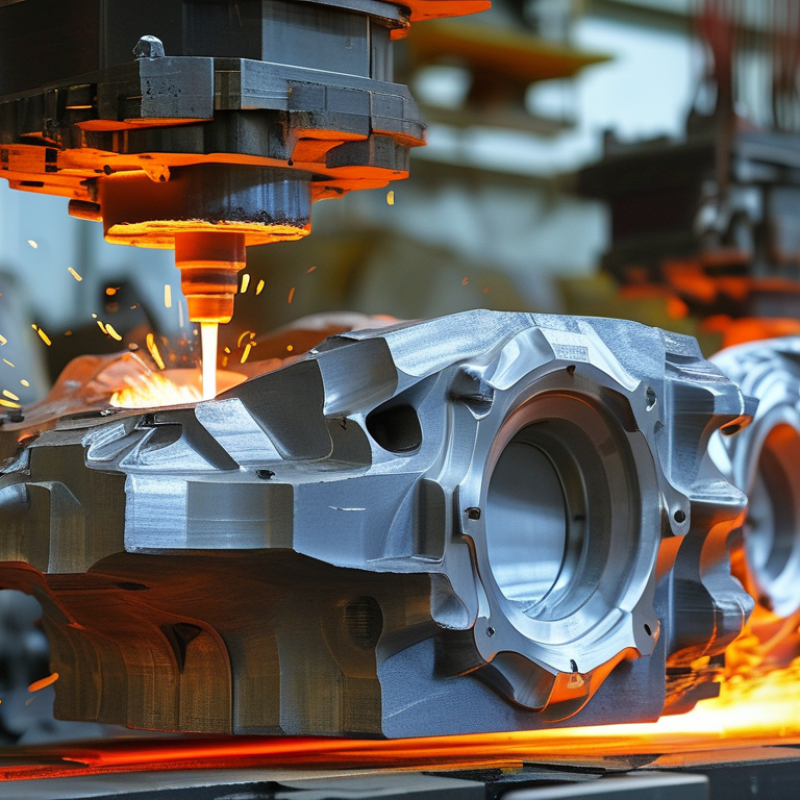
Precision investment casting is a manufacturing process known for its ability to produce complex shapes with high dimensional accuracy. This technique uses a wax pattern coated with a ceramic shell. The wax is then melted away, leaving a precise cavity for metal pouring. According to industry reports, investment casting can achieve tolerances of up to ±0.005 inches, making it ideal for intricate designs.
One of the notable advantages of precision investment casting is material efficiency. Studies indicate that this method can reduce material waste by as much as 10-50% compared to traditional casting methods. This process is particularly valuable in industries such as aerospace and medical devices, where minimizing waste is critical. Additionally, investment casting allows for the creation of fine surface finishes, which can reduce the need for secondary machining operations.
However, the process requires a careful balance of temperature and timing. Variations can lead to defects that can compromise the final product's integrity. The complexity of this method also means that it may involve longer lead times for production, which isn’t always ideal for every project. Ensuring reliable outcomes in precision investment casting often requires robust quality control measures. This reflects the need for constant reflection and improvement in manufacturing practices.
Precision investment casting is a manufacturing process known for its ability to create intricate metal parts. The process begins with a wax or polymer model of the desired component. This model is coated in a ceramic shell, which is heated to harden it. Once set, the wax is melted and drained away, leaving a hollow ceramic mold. Molten metal is then poured into this mold, which retains the fine details of the original design. After cooling, the ceramic shell is broken away, revealing a precise metal part.
Attention to detail is critical in this process. Any imperfection in the model can lead to flaws in the final product. This highlights the need for strict quality control throughout each stage of production. Investing in high-quality materials for both the model and the shell is essential. The final components often require minimal finishing work due to the precision of the cast.
For those interested in this casting method, consider the following: ensure you're working with experienced professionals who understand the intricacies of the process. Regularly examine and refine your models to avoid costly mistakes. Keep in mind that even small deviations can lead to significant issues in the end product, making precision paramount in creating durable, functional components.
| Feature | Description |
|---|---|
| High Accuracy | Precision investment casting allows for tight tolerances, resulting in high dimensional accuracy of cast parts. |
| Material Versatility | A wide range of materials can be used, including steel, aluminum, and copper alloys. |
| Complex Geometries | Can produce intricate designs that are often impossible with other manufacturing methods. |
| Reduced Waste | Minimizes material waste compared to traditional casting techniques, making it more environmentally friendly. |
| Cost Efficiency | Lower production costs for high volume runs due to fewer post-processing steps. |
| High Strength | Components produced have enhanced strength and structural integrity. |
Precision investment casting is a highly regarded method for producing intricate metal parts. It relies heavily on specific materials that influence the quality and performance of the final product. One primary material used is wax, which serves as the pattern for casting. The wax is melted away, leaving behind a cavity that is filled with molten metal. According to a report by the American Foundry Society, using high-quality wax can improve the surface finish and dimensional accuracy of the cast part.
Ceramics are another critical material in precision investment casting. They are employed to create the mold shells that withstand high temperatures. Advanced ceramics provide superior thermal stability, which is vital during the casting process. Studies indicate that molds made from ceramic materials can achieve tolerances as tight as ±0.005 inches. This level of precision is essential in industries like aerospace and medical where even minor discrepancies can lead to significant issues.
In recent trends, there is a growing interest in using lightweight materials such as titanium and aluminum alloys. These materials offer comparable strength with reduced weight. However, they can be challenging to work with due to their higher melting points and sensitivity to temperature variations. Embracing these modern materials may improve the performance of cast components, but they also introduce complexities that require careful consideration in the casting process.
Precision investment casting offers numerous benefits compared to other manufacturing methods. This casting process is highly adaptable, allowing for intricate designs and a high level of detail. Unlike traditional casting techniques, precision investment casting produces parts with excellent surface finishes and tight tolerances. This reduces the need for extensive machining, saving time and costs during production.
When selecting a casting method, consider the scale and complexity of your project. If intricate designs are a requirement, precision investment casting might be the best choice. This method excels at creating complex geometries that would be difficult or impossible with other techniques.
It's also important to evaluate material compatibility. Precision investment casting works with a wide range of metals, including aluminum and stainless steel. If you're working with high-performance materials, this process ensures quality and durability. Emphasizing reliability is crucial; casting processes often come with inherent challenges that will require thoughtful adjustments. Budget constraints may also impact material choice and design specifics.
Precision investment casting is a manufacturing method that offers high precision and excellent surface finish. This method is widely used across various industries, showcasing its versatility and effectiveness. Many manufacturers rely on precision investment casting for components that require intricate shapes and tight tolerances.
In the aerospace sector, precision investment casting produces complex parts for engines and airframes. These components must withstand extreme conditions, making reliability crucial. Similar applications are found in the automotive industry, where lightweight yet durable parts are essential for fuel efficiency. The medical field also benefits greatly; custom implants and surgical tools can be created with precision, ensuring functional and safe products for patients.
The energy sector employs precision investment casting for turbine blades and valve components. These items require superior strength and resistance to wear and corrosion. However, challenges persist. The process can be costly, and maintaining consistent quality is vital. Companies must continually evaluate their methods to address these issues effectively. Adjustments to the process can lead to improvements, but they often entail a steep learning curve.