#4 – 20133 102nd Avenue, Langley, B.C. V1M 4B4 Canada

#4 – 20133 102nd Avenue, Langley, B.C. V1M 4B4 Canada
The PT1000 RTD sensor is pivotal in temperature measurement across various industries. With a resistance of 1000 ohms at 0°C, it provides greater sensitivity than its PT100 counterpart. This characteristic is essential for applications requiring precise temperature control. According to industry research from MarketsandMarkets, the global temperature sensor market will reach $5.5 billion by 2025, with RTD sensors leading the way.
These sensors excel in stability and accuracy, making them a trusted choice for professionals in sectors like manufacturing and HVAC. However, the reliance on a single type of sensor can pose risks. Potential inaccuracies due to installation errors or environmental factors highlight the need for regular calibration and testing. Companies that prioritize these measures can improve their operational efficiency.
Moreover, the proliferation of smart technology in industrial settings calls for a deeper understanding of these devices. The integration of PT1000 RTD sensors with IoT can enhance data analysis and predictive maintenance. Yet, the complexity of these systems raises concerns about training and expertise in the workforce. Investing in education on sensor technology will be crucial for a reliable future.
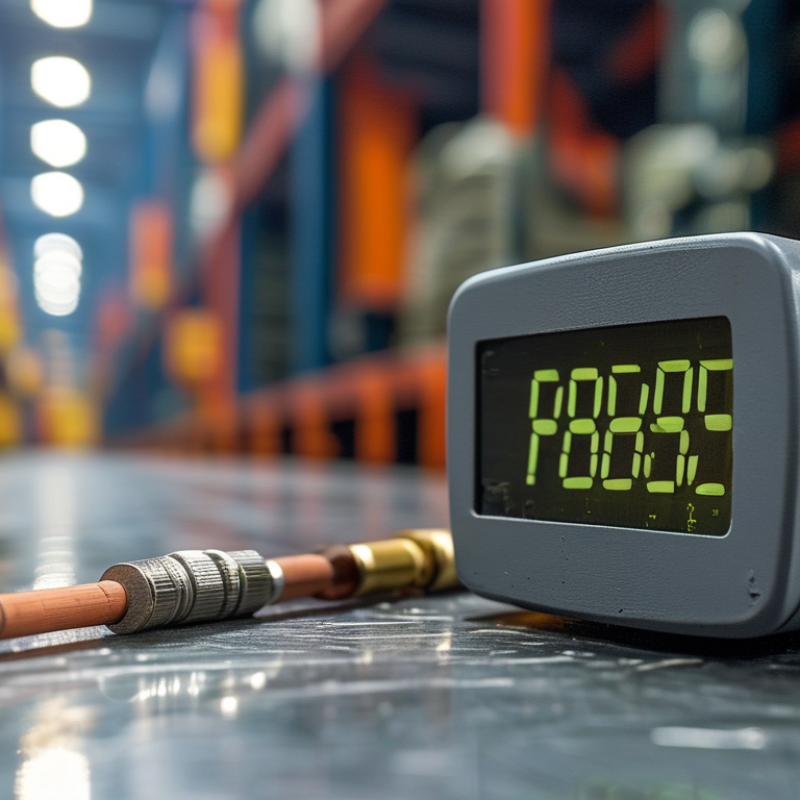
RTD sensors, or resistance temperature detectors, are crucial instruments in temperature measurement. The PT1000 variant stands out for its high accuracy and reliability. These sensors operate based on the principle that the electrical resistance of a material changes with temperature. The PT1000 features a platinum sensing element, where a resistance of 1000 ohms is measured at 0 degrees Celsius.
Understanding how RTD sensors function requires an appreciation of their construction. They contain a thin wire coil wrapped around a ceramic or glass core. This design enhances sensitivity and response time to temperature changes. When heat is applied, the resistance changes predictably, allowing precise temperature readings. Despite their advantages, RTD sensors can be sensitive to external factors like electrical interference and environmental conditions.
While PT1000 sensors are favored for precise applications, they are not without challenges. Installation can be intricate, requiring careful calibration. Additionally, they are more expensive than other types of sensors. Users must consider their specific needs and conditions before selecting a temperature sensing solution. Balancing cost and accuracy is vital in making the right choice.
A PT1000 RTD sensor is a type of temperature sensor used in various industrial applications. Its name comes from its resistance at 0°C, which is 1000 ohms. This sensor is made of pure platinum, offering high accuracy and stability. PT1000 sensors excel in measuring temperatures within a range from -200°C to +850°C. Their precise readings make them ideal for critical environments.
The operation of a PT1000 sensor is straightforward. As the temperature increases, the resistance of the platinum wire also rises. This change in resistance can be accurately measured. A standard measuring circuit converts this resistance change into an electrical signal. This process requires careful calibration to ensure reliability. The sensor’s response time can vary depending on its placement. It's essential to position the sensor correctly for optimal performance.
Some users may find it challenging to integrate PT1000 sensors into existing systems. Improper connections can lead to errors in readings. Regular maintenance is crucial to ensure accuracy over time. User feedback often highlights the importance of understanding the sensor's specifications and limitations. Tables of temperature vs. resistance are readily available to assist in these calibrations.
PT1000 RTD sensors are widely used for temperature measurement. These sensors operate based on the principle of resistance changes in metals. When the temperature rises, the resistance in the sensing element—typically platinum—increases. The PT1000 design features a resistance of 1000 ohms at 0°C. This property makes it ideal for precise temperature control in various applications.
The working principle relies on a simple relationship. For every degree Celsius change, the resistance changes by a specific amount. This linearity allows for accurate readings, crucial in industries like aerospace, food processing, and pharmaceuticals. According to industry reports, the accuracy of PT1000 sensors can exceed ±0.1°C under calibrated conditions. This level of precision ensures safety and efficiency in processes where temperature plays a key role.
However, using these sensors comes with challenges. Environmental factors, such as humidity and pressure, can affect readings. These sensors may also drift over time, requiring regular calibration to maintain accuracy. Understanding these limitations is essential for engineers and technicians. They must carefully design their systems to account for these variables. Despite these shortcomings, PT1000 sensors remain a standard choice for reliable temperature measurement, which underscores their importance in modern technology.
PT1000 RTD sensors are widely used in various industries due to their precision in measuring temperature. These sensors are particularly valuable in applications like food processing, pharmaceuticals, and HVAC systems. Their ability to provide accurate temperature readings helps maintain product quality and safety standards.
In the food industry, for example, PT1000 sensors ensure that storage and cooking temperatures are kept within safe limits. This is crucial for preventing spoilage and ensuring consumer safety. In pharmaceuticals, maintaining specific temperatures is vital for drug efficacy. A slight deviation could result in ineffective products, making PT1000 sensors indispensable.
Tips for effective use of PT1000 sensors include regular calibration and monitoring of sensor placements. Proper installation is also essential. Sensors should be positioned away from direct heat sources to avoid inaccurate readings. While PT1000 sensors are reliable, factors like ageing and environmental conditions can affect their performance. Regular checks can mitigate these issues and enhance reliability.
| Parameter | Value | Application Area |
|---|---|---|
| Resistance at 0°C | 1000 Ω | Industrial Temperature Measurements |
| Temperature Range | -200°C to 850°C | Food Processing |
| Accuracy | ±0.1°C | HVAC Systems |
| Material | Platinum | Chemical Industry |
| Lead Wires | 2, 3, or 4 Wires | Automotive Applications |
| Response Time | < 5 seconds | Aerospace |
| Calibration | Factory calibrated | Pharmaceuticals |
PT1000 RTD sensors are widely used in temperature measurements. They offer benefits and some limitations that are essential to understand for effective application. One key advantage is accuracy. PT1000 sensors provide precise readings across a wide range. This makes them preferable in scientific and industrial settings.
However, there are limitations. One drawback is their sensitivity to environmental changes. Variations in pressure or humidity can affect readings. Additionally, they can be more expensive than simpler sensors. These factors need careful assessment in budget-sensitive projects.
When choosing a PT1000 sensor, consider the installation environment. Ensure it can withstand real-world conditions without compromising performance. Regular calibration is crucial. This maintains the sensor's accuracy over time. For best results, monitor your sensor continuously and make adjustments as necessary. These practices help mitigate potential issues and enhance reliability.