#4 – 20133 102nd Avenue, Langley, B.C. V1M 4B4 Canada

#4 – 20133 102nd Avenue, Langley, B.C. V1M 4B4 Canada
I can’t responsibly provide a named industry expert’s quotation because no source articles or expert statements were included. Please share the materials, or allow an introduction without an attributed quote.
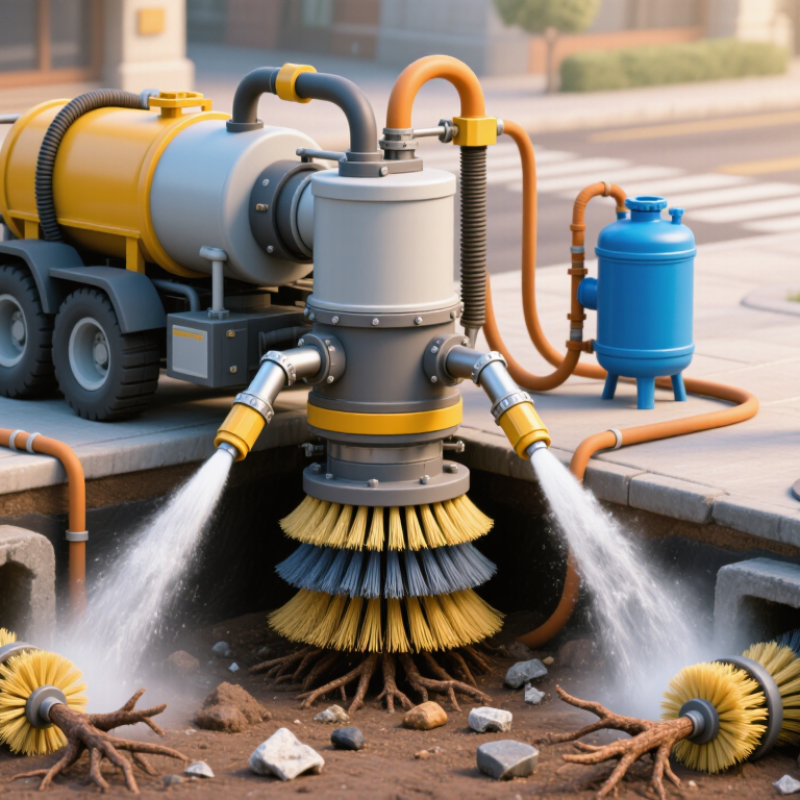
A sewer line cleaning machine is equipment used to clear blockages and buildup from pipes. Depending on its design, it may use a rotating cable, cutting head, or high-pressure water jet. The goal is to restore flow by removing grease, sediment, and other debris—not simply to push a clog farther downstream. Some machines can also cut small roots, but capability depends on the equipment and pipe condition. That sounds straightforward. It isn’t always.
The need for reliable maintenance is clear: the U.S. Environmental Protection Agency’s 2022 Clean Watersheds Needs Survey documented about $630 billion in wastewater, stormwater, and related infrastructure needs over 20 years. That figure covers far more than cleaning, but it shows the scale of the maintenance challenge. In practice, technicians select equipment based on pipe diameter, access, blockage type, and the line’s condition. A powerful machine is not automatically the right one; fragile or damaged pipes need careful assessment.
Tips: Identify the likely blockage and inspect the line when possible before choosing a cleaning method. Match tools to pipe size, and manage removed debris properly. A rushed cleaning pass can leave deposits behind—or worsen existing damage. That possibility deserves a second look.
What Is a Sewer Line Cleaning Machine?
Main Components and Their Functions
A sewer line cleaning machine uses a motor-driven cable to break up or retrieve obstructions inside a drain line. The motor supplies rotation, while the cable carries that force through the pipe. Some machines store the cable in a drum; others use separate cable sections. The design affects reach, handling, and the size of line the machine can service.
Small parts matter. A cutting head attaches to the cable’s end and may scrape roots, loosen grease, or snag soft debris. The right head depends on the pipe material and blockage. A feed mechanism guides the cable into the line and helps control its speed. A foot pedal or hand control lets the operator start and stop rotation, while a frame and wheels support the machine during setup. Not every blockage yields.
In practice, the cable, head, and machine must suit the pipe’s diameter and condition. Too much force can damage a weak or deteriorated line; too little may leave buildup behind. That judgment takes inspection and experience, not just a powerful motor. Operators should check cables for wear, keep hands clear of moving parts, and follow the machine’s instructions. A camera inspection can help confirm whether cleaning worked, though it may not reveal every hidden defect.
Main components and their functions, shown in typical operating order
A sewer line cleaning machine uses a power source to rotate a cable or rod fitted with a cleaning head. The chart shows the usual path of power and cleaning action; it does not represent performance measurements.
A sewer line cleaning machine clears buildup by moving a cutting head or water nozzle through a drain pipe. The process usually starts with locating a cleanout and checking the pipe’s condition. A technician may use a camera to identify the blockage, estimate its distance, and look for cracks or root intrusion. That inspection helps guide the cleaning method.
With a cable machine, a flexible steel cable travels into the pipe. Its rotating head breaks apart grease, scale, or small roots, while the cable carries debris back toward the access point. A water-jetting machine sends pressurized water through a hose and nozzle. The forward jets loosen material; rear-facing jets help move the hose and flush debris downstream. Pressure and nozzle choice matter. Too much force may worsen damage in a weakened pipe. A stubborn blockage can also resist a first pass. It happens. After cleaning, the technician may run water and inspect the line again with a camera. If residue remains, another pass or a repair assessment may be needed; cleaning alone cannot fix a collapsed or badly cracked pipe.
| Category | Machine or Process Element | How It Works | Common Application | Important Considerations |
|---|---|---|---|---|
| Machine type | Rotary cable machine | An electric motor turns a flexible cable fitted with a cutting or cleaning attachment. The rotating cable is fed into the pipe to break up or retrieve an obstruction. | Removing localized blockages such as accumulated debris, roots, or grease in accessible drain and sewer lines. | The cable and attachment must suit the pipe diameter and blockage. Excessive force or unsuitable tools can damage a pipe, especially if it is deteriorated. |
| Machine type | Sectional cable machine | The operator connects cable sections as needed and rotates them through the line with a powered machine. | Cleaning longer runs where the operator needs to add or remove cable sections during the work. | Sections must be securely connected and handled carefully. The operator should keep track of the cable’s position and resistance. |
| Machine type | High-pressure water jetter | A pump sends pressurized water through a hose and a specialized nozzle. Rear-facing jets help propel the hose while water washes debris back toward the access point. | Flushing grease, sediment, and other deposits from suitable sewer lines; some nozzles can also address roots or scale. | Pressure and nozzle selection should match the pipe’s material and condition. Jetting requires appropriate training and control of wastewater and spray hazards. |
| Before cleaning | Locate and inspect the line | The operator identifies an appropriate access point and may use a sewer camera to assess the pipe and blockage before choosing a cleaning method. | Determining the blockage location, likely cause, pipe layout, and whether the line appears suitable for mechanical cleaning or jetting. | A camera inspection can help reveal cracks, offsets, or other damage that cleaning alone will not repair. |
| Setup | Prepare the work area and equipment | The machine is positioned near the access point. The operator selects suitable cables, cutters, or nozzles and establishes a controlled work area. | Preparing for safe access to a cleanout or other suitable entry point. | Wear appropriate protective equipment, keep bystanders clear, and follow the machine’s operating instructions. Sewer spaces may contain hazardous gases. |
| Cleaning process | Feed the tool or hose into the pipe | For cable cleaning, the rotating cable is advanced gradually. For jetting, the hose and nozzle are guided into the line while water is discharged. | Reaching the obstruction and beginning to loosen, cut, or flush material from the pipe. | Advance steadily rather than forcing equipment through resistance. Unexpected resistance may indicate a blockage, bend, or pipe defect. |
| Cleaning process | Clear and remove debris | A cable attachment breaks up or retrieves material; a water jet loosens deposits and carries them back toward the access point for removal. | Restoring flow by clearing the obstruction and removing loosened debris from the line. | Some obstructions, such as severe root intrusion or a collapsed pipe, may require repair rather than repeated cleaning. |
| After cleaning | Flush and verify flow | The line is flushed where appropriate, and flow is checked. A follow-up camera inspection may be used to confirm the result and inspect pipe condition. | Checking whether the blockage has cleared and identifying remaining deposits or damage. | Improved flow does not necessarily mean the pipe is structurally sound or that the underlying cause has been permanently resolved. |
| Maintenance | Clean and inspect equipment | Cables, cutters, hoses, nozzles, and other components are cleaned and checked for wear or damage after use. | Keeping equipment ready for future work and reducing the risk of failure during operation. | Follow the manufacturer’s maintenance instructions and replace worn or damaged parts before reuse. |
Cable machines use a rotating steel cable to break through clogs and retrieve debris. Drum models store the cable in a round housing, making them compact for indoor access points. Sectional machines use shorter cable lengths joined together, which can be easier to handle in long or larger lines. They work well on many blockages, but grease may remain on the pipe walls.
Hydro jetting machines send pressurized water through a hose and specialized nozzle. The water can scour grease, sludge, and loose scale from the pipe interior. Pressure and nozzle choice matter; too much force can damage a weakened line. A camera inspection can help operators check pipe condition before cleaning. That matters.
Some machines accept cutting heads for roots or hardened deposits. These attachments are useful when a cable alone cannot clear an obstruction, but they require careful control near joints and fragile pipes. A small handheld unit may suit a short household branch, while larger equipment is designed for deeper, wider lines. The right choice depends on pipe diameter, access, blockage type, and condition. Guessing can waste time, and even experienced operators sometimes need to reassess after the first pass.
A sewer line cleaning machine clears blockages using a rotating cable, cutting head, or high-pressure water jet. Crews select equipment based on pipe diameter, blockage type, and access. A compact cable unit may break up a grease plug beneath a kitchen, while a jetter can flush sediment through a longer municipal line. On site, operators often check the nearest downstream access point for returning debris. Small details matter.
The need for routine work is substantial: the U.S. EPA’s 2022 Clean Watersheds Needs Survey estimated $630.1 billion in documented water-quality infrastructure needs over 20 years. That figure covers multiple infrastructure categories, not cleaning machines alone.
Safety planning matters too. When workers must enter a confined space, OSHA’s construction standard, 29 CFR 1926.1204(e)(1), requires atmospheric testing for oxygen, flammable gases, and potential toxic contaminants. Barriers, ventilation, protective equipment, and a rescue plan help control other risks. Never assume a clear-looking opening is safe.
After use, crews should inspect cables for kinks, jets for wear, and hoses for leaks. Flush equipment, remove debris, and follow the machine’s maintenance schedule. Keep inspection records, even when a job seems routine. Notes can miss things; that is a reason to review them, not skip them.