#4 – 20133 102nd Avenue, Langley, B.C. V1M 4B4 Canada

#4 – 20133 102nd Avenue, Langley, B.C. V1M 4B4 Canada
Choosing a Solar Independent Power Wall is not only about battery capacity or a polished touchscreen. It is about dependable energy during cloudy mornings, grid outages, and unexpected demand. Imre Gyuk, a recognized energy-storage specialist and former U.S. Department of Energy program manager, has stated, “Energy storage is a key enabler of a resilient, reliable, and efficient power grid.” His observation gives this decision practical weight. A home battery must support resilience, not merely advertise impressive specifications.
This guide examines seven useful selection points, including usable capacity, inverter compatibility, safety controls, warranty coverage, installation conditions, monitoring functions, and long-term value. Picture a garage reaching 38°C while an air conditioner starts suddenly. The system’s continuous output, thermal protection, and surge performance may matter more than its headline capacity. Check whether the battery uses a suitable chemistry, supports certified installation, and includes clear fault alerts. Ask how much energy remains available after reserve settings and conversion losses. Small details matter.
Some choices remain uncertain. A larger battery is not automatically better. A cheaper model may create higher replacement costs later. Even experienced buyers can overlook local weather, roof generation, or household load patterns. Review your electricity bills and observe evening consumption before deciding. Independent testing helps, but test conditions differ from real homes. Use professional advice where needed. A reliable Solar Independent Power Wall should fit your daily habits, backup priorities, available solar generation, and realistic budget—not an idealized brochure scenario.
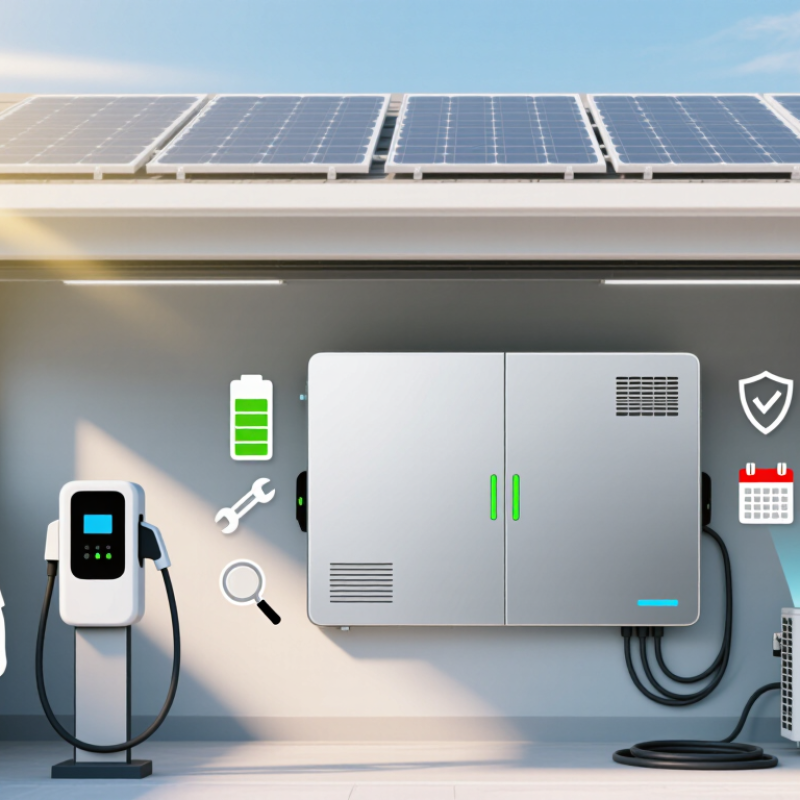
Choosing the capacity of a solar independent power wall starts with the appliances you actually need to run. List each device, its wattage, and how many hours it operates daily. A 60-watt router running for 10 hours uses about 600 watt-hours. Add similar estimates for lights, a refrigerator, or medical equipment, if applicable. Check appliance labels or manuals; startup surges can require more power than normal operation. Small details matter.
Next, decide how long you need power without strong sunlight. Multiply your daily energy use by the number of backup days, then allow for conversion losses and the system’s recommended depth of discharge. For example, a household using 3 kilowatt-hours daily may need more than 3 kilowatt-hours of nominal storage for one day of dependable backup. Ask an installer to confirm usable capacity, inverter output, and compatibility with your solar array. Capacity alone does not guarantee that the battery can deliver enough power at once.
Leave some margin for cold weather, aging, and unexpected loads, but avoid sizing around every unlikely scenario. That part is easy to misjudge. Review a week of real usage, including evening cooking or cloudy-day consumption. If your estimates feel uncertain, measure key appliances for several days and revise the plan before purchasing.
Battery chemistry shapes how a solar power wall performs over years, not just on a specification sheet. Lithium iron phosphate batteries often offer long cycle life and strong thermal stability. Nickel-manganese-cobalt batteries can provide high energy density, which helps where space is tight. Lead-acid systems may cost less upfront, but usually need more frequent replacement and careful maintenance. Trade-offs matter.
Check the stated cycle life alongside the conditions behind it. A cycle rating may assume a particular discharge depth, temperature, and charging pattern. Ask how usable capacity changes over time, and whether the warranty covers both years and energy throughput. Heat in a garage can accelerate aging. So can routinely draining the battery deeply. A datasheet rarely tells the whole story.
Safety features deserve equal attention. Look for a battery management system that monitors cell voltage and temperature, and can disconnect the pack during faults. Confirm that the unit has relevant independent safety testing and clear installation requirements. Ventilation, mounting clearance, and protection from water depend on the specific design. Read the manual closely. I might be tempted to choose the longest cycle-life figure, but that number means little if the system runs hot or the warranty terms are narrow. Compare the chemistry, operating limits, and service access together.
Tip 1: Check solar compatibility before comparing capacity. Match the battery’s voltage range, chemistry, usable capacity, and charge limits with the solar array. A larger battery is not automatically better. The IEA’s Batteries and Secure Energy Transitions report states that global battery storage deployment must grow sixfold by 2030. Poor matching can waste that investment through clipping, idle capacity, or limited charging.
Tip 2: Confirm inverter support in writing. The inverter should support the battery’s communication protocol, continuous power, surge power, and operating temperature. Check whether the system uses AC coupling or DC coupling. NREL’s Electricity Annual Technology Baseline commonly models lithium-ion storage with roughly 85% to 95% round-trip efficiency. Real installations may perform below that range. Cable losses matter. So does heat.
Tip 3: Review the complete system integration plan. Ask how the battery handles islanding, automatic transfer, backup-load separation, monitoring, and restart after an outage. Ensure the solar inverter can keep charging during grid failure. Local electrical rules and installer certification also matter. I would not rely on a simple compatibility label. Request a wiring diagram, protection settings, and tested operating conditions. One overlooked relay can interrupt an otherwise capable system.
A solar independent power wall should be judged by the loads it can actually support, not just its advertised capacity. List essential devices, such as a refrigerator, router, lights, and a medical device, then estimate their running watts and startup surges. A refrigerator may briefly draw more power when its compressor starts. Check both usable energy, measured in kilowatt-hours, and continuous inverter output. They are not interchangeable. Ask how the system performs after several cloudy days, and whether it can reserve charge for overnight use. Real homes rarely follow neat estimates.
Installation affects performance as much as battery size. The wall needs a suitable location with the clearances and temperature range specified by its manufacturer. A cramped garage corner may be convenient, but heat can shorten battery life. Have a qualified installer check the electrical panel, grounding, cable route, and compatibility with the solar inverter. Request a written estimate of outage runtime for your essential loads. Treat it as an estimate, not a promise; weather and usage change the result. Keep space for safe access.
Maintenance is usually limited, but it is not zero. Review system alerts, inspect visible cables and vents, and keep the area dry and unobstructed. Follow the manual’s inspection schedule rather than opening the enclosure yourself. Ask about battery capacity warranties, service access, and replacement costs before purchase. One detail buyers sometimes overlook: backup settings can change how much stored energy remains when an outage begins. Check those settings after installation and after software updates. A small oversight can matter.
Choosing a solar independent power wall means looking beyond its advertised capacity. Check the warranty’s years, throughput limit, and end-of-term capacity guarantee; these terms can matter more than a headline lifespan. Ask whether labor, removal, and replacement are covered, and keep the answer in writing. Small print matters. Compare monitoring tools, too. A useful app should show charge level, energy flows, alerts, and past performance—not just a green “system normal” message. If the connection drops, can the unit still operate and store data? That detail is easy to overlook.
Total ownership cost includes the purchase price, installation, electrical upgrades, software fees, and likely replacement expenses. Compare usable capacity and round-trip efficiency, then estimate how much stored energy your household can actually use. The International Energy Agency reported that global battery storage additions reached about 42 GW in 2023, a 130% increase year over year, in Batteries and Secure Energy Transitions (2024). That rapid growth shows the technology is expanding, but it does not guarantee every home will save money. Request an itemized quote and test the payback using your own electricity rates and evening usage. Estimates can be imperfect; weather and household habits change the result.
| Tip | What to Review | Useful Questions | Practical Evaluation | Why It Matters |
|---|---|---|---|---|
| 1. Match capacity to your needs | Usable energy capacity (kWh), continuous power (kW), and surge capability. | How much energy do essential loads use overnight? Which appliances need to start at the same time? | Use recent electricity bills or a load audit. Compare usable capacity—not only the battery’s nominal capacity—with expected backup needs. | Energy capacity affects how long loads can run; power output affects how many loads can operate at once. |
| 2. Read the warranty carefully | Warranty duration, cycle or throughput limits, retained-capacity guarantee, and exclusions. | What capacity is guaranteed at the end of the warranty? Does coverage depend on a cycle count, energy throughput, or operating conditions? | Compare the full warranty documents. Check who handles claims, whether labor and removal are covered, and what happens if the system is moved or used outside specified conditions. | A headline warranty term alone does not show how much usable capacity is guaranteed or what a claim will cover. |
| 3. Check monitoring tools | App or web access, real-time status, historical data, alerts, and data-retention options. | Can you see charging, discharging, state of charge, and system faults? Is internet access required for local operation? | Ask for a demonstration. Confirm whether monitoring is included, what data is collected, and whether basic controls remain available during an internet outage. | Clear monitoring can help identify unusual performance and understand household energy use. |
| 4. Verify solar and backup compatibility | Inverter configuration, solar input limits, transfer behavior, and supported backup loads. | Will the system work with the existing solar equipment? Can it provide backup during a grid outage, and which circuits will be powered? | Have a qualified installer confirm equipment compatibility, required electrical changes, backup configuration, and local permitting requirements. | Not every battery system supports every inverter arrangement or provides whole-home backup. |
| 5. Compare total ownership cost | Installed price, electrical work, permits, financing charges, monitoring fees, and possible replacement costs. | What is included in the quote? Are there recurring charges, and what service or warranty costs may apply? | Compare itemized quotes on the same system scope. Consider expected energy savings and applicable incentives separately; verify incentive eligibility with official sources. | The purchase price alone may not reflect installation, ongoing costs, or the value of energy shifting and backup. |
| 6. Review efficiency and operating limits | Round-trip efficiency, usable capacity, charge and discharge limits, temperature range, and installation location requirements. | Are performance figures specified for the complete system? Does the proposed location meet ventilation, clearance, and temperature requirements? | Compare published specifications under comparable conditions and ask the installer to confirm site suitability and any derating at temperature extremes. | Real-world performance depends on system design, operating conditions, and installation—not on one specification alone. |
| 7. Assess support and future flexibility | Service availability, installer experience, software updates, expandability, and end-of-life handling. | Who provides troubleshooting and repairs? Can capacity be expanded later, and are compatible components expected to remain available? | Request written service-response procedures and expansion limits. Check local recycling or battery take-back options before purchase. | Reliable support and a clear end-of-life plan can make ownership easier over the system’s useful life. |
Note: Specifications, warranty coverage, installation requirements, and costs vary by system, site, and location. Confirm all details in the current product documentation and written installation quote.