#4 – 20133 102nd Avenue, Langley, B.C. V1M 4B4 Canada

#4 – 20133 102nd Avenue, Langley, B.C. V1M 4B4 Canada
When selecting a Hydraulic Directional Control Valve, various factors come into play. This component plays a crucial role in controlling fluid flow in hydraulic systems. Choosing the right valve ensures efficiency and effectiveness in your machinery.
Understanding system requirements is vital. Each application may demand different specifications. For instance, the valve must match the working pressure and flow rate. Ignoring these could lead to system failures or inefficiencies.
Expertise in hydraulic systems is essential. Many overlook the impact of materials and construction quality. A poorly chosen Hydraulic Directional Control Valve can cause leaks or malfunctions. It's important to consider the manufacturer's reputation and reliability. Taking time to research will pay off significantly in the long run.
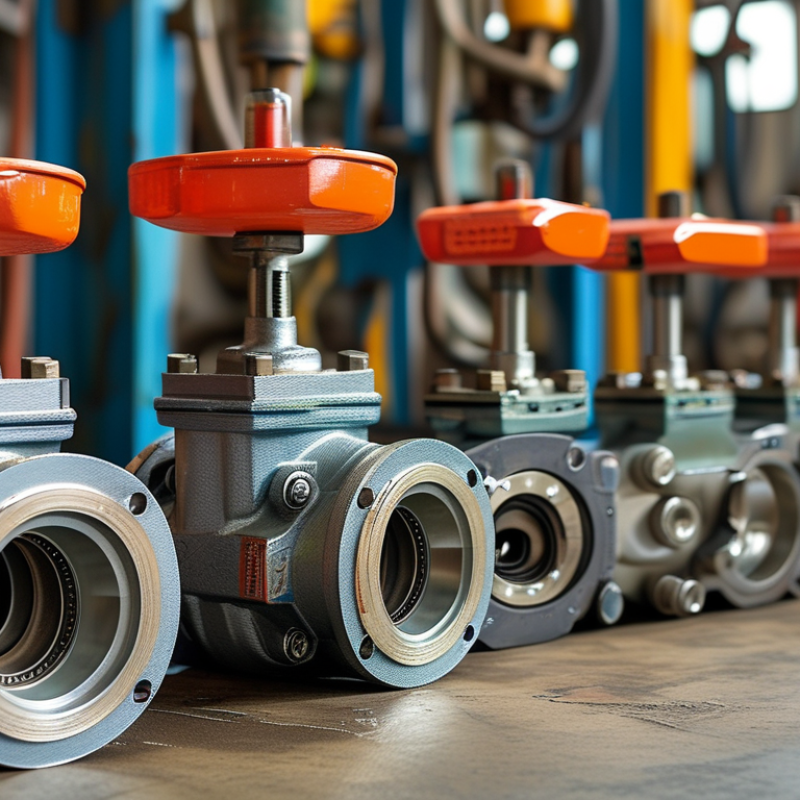
Hydraulic directional control valves are critical components in hydraulic systems. They manage the flow and direction of hydraulic fluid, ensuring equipment operates smoothly. Understanding their functionality is key to selecting the right valve for your application. Research indicates that choosing the correct valve can enhance system efficiency by up to 30%.
Proper sizing is vital. Oversized valves can lead to inefficiencies and increased energy consumption. Conversely, undersized valves might not handle the necessary flow rates, causing system failure. Evaluate your system's specifications carefully. Consider the fluid type, operating pressure, and required flow rates.
**Tip 1:** Know your control mechanism. Options range from manual to electric. Each has its advantages and suits different applications.
**Tip 2:** Assess the environment. Corrosive substances or high temperatures can affect valve longevity. Select materials that endure your specific conditions for better reliability.
In 2023, studies revealed that nearly 20% of hydraulic system failures were due to incorrect valve selection. This emphasizes the importance of a thorough evaluation process. Understanding how valves function helps in making informed decisions, ultimately improving operational performance and reducing downtime.
This bar chart displays the key criteria for selecting the appropriate hydraulic directional control valve based on importance and functionality. The criteria include Flow Rate, Pressure Rating, Port Size, Material Compatibility, and Response Time.
When selecting hydraulic directional control valves, several key factors stand out. The application is crucial. Consider the specific tasks the valve will perform. Different operations require varying flow rates and pressure levels. A valve's flow characteristics should align with your hydraulic system’s demands. Pay attention to the working environment as well. Temperature extremes and exposure to contaminants can affect performance. Choose a valve designed to withstand these conditions.
Next, think about the valve type. There are many options on the market, from spool valves to poppet valves. Each has distinct advantages suitable for particular scenarios. For instance, spool valves offer precise control, which can be beneficial for complex systems. It’s essential to assess your requirements in detail. Compatibility with existing components is another aspect to evaluate. A valve that integrates seamlessly with your current setup will reduce installation issues and maintenance.
Lastly, consider the manufacturer’s reputation. It's important to research the reliability of the valve. Quality assurance in production can lead to better performance and longevity. Look for certifications or industry standards that indicate a level of trustworthiness. Reflect on your choices as well. Sometimes, a seemingly minor detail can lead to significant operational issues down the line. Ensure that your decision is well-informed and tailored to your specific needs.
When selecting a hydraulic directional control valve, it is crucial to evaluate your flow requirements and system pressure. These factors heavily influence valve performance. The right valve must match the expected flow rates. Too little flow can lead to inadequate power delivery. Conversely, excess flow can cause damage and inefficiencies.
Consider your system’s pressure rating as well. Different applications operate under varying pressures. A valve designed for low pressure won’t withstand high-pressure systems. This mismatch can result in valve failure and potential safety hazards. Understanding your system's characteristics is essential in making the right choice.
Tip: Always consult the application’s technical specifications before choosing a valve. Review charts that detail flow rates and pressure limits. Checking these details ensures you select a valve that can handle operational demands effectively. Remember, not all valves are suitable for every application. An informed choice can prevent costly mistakes or operational downtimes.
When selecting hydraulic directional control valves, understanding the differences among various types is crucial. Each type serves specific functions in hydraulic systems. For instance, poppet valves are great for high-pressure applications but may not be ideal for low-flow systems. Conversely, spool valves provide smoother control and can handle more complex operations but can be less efficient at very high flow rates.
Tips for choosing the right valve include considering the application’s pressure and flow requirements. Analyze system demands before proceeding. Choosing the correct valve type ensures reliability and efficiency in operations. Not all valves are designed for all tasks. Research shows that incorrect valve selection can lead to up to 20% energy loss in hydraulic systems.
Moreover, valve configuration also matters. Closed-center configurations are excellent for conserving energy in low-power settings. Open-center valves are better for high-flow applications, allowing fluid to flow freely. Assess the system's design and future needs to make an informed decision. Reliable sources suggest investing time in this analysis can save costs in maintenance and operational inefficiencies.
| Valve Type | Common Uses | Advantages | Disadvantages | Price Range |
|---|---|---|---|---|
| Directional Control Valve | Industrial machinery | High reliability | Bulky size | $50 - $150 |
| Electro-Hydraulic Valve | Robotics | Precise control | Higher cost | $150 - $400 |
| Pneumatic Valve | Light machinery | Lightweight | Limited torque | $30 - $100 |
| Manual Control Valve | Construction equipment | Simple operation | Requires operator intervention | $40 - $120 |
| Check Valve | Fluid control | Prevents backflow | Limited applications | $20 - $60 |
When selecting the right hydraulic directional control valve, compatibility with your hydraulic system's components is crucial. Assess the valve's size, flow rate, and pressure ratings. These elements should align seamlessly with your existing system. An ill-fitting valve can cause inefficiencies and lead to potential failures. It's essential to have a clear understanding of these specifications.
Next, consider the type of control operation. Different systems may require either manual or automatic control. Choosing the wrong type might result in operational challenges. For instance, a manually controlled valve in an automated system can create significant delays. Ensuring the control mechanism aligns with your operational needs is vital.
Don't forget about mounting options. The valve must fit within the established layout of your hydraulic system. Misalignment can lead to connection issues and affect overall performance. Evaluating available space and existing pipe connections will save you time and potential headaches later. Compatibility is not just about matching specifications; it’s about holistic alignment with your entire hydraulic setup.