#4 – 20133 102nd Avenue, Langley, B.C. V1M 4B4 Canada

#4 – 20133 102nd Avenue, Langley, B.C. V1M 4B4 Canada
Precision injection molding is a vital process in manufacturing. It allows for the creation of complex shapes with high accuracy. This method has gained popularity due to its efficiency and cost-effectiveness. However, not every project meets its full potential. Many factors can lead to struggles in achieving perfect results.
Understanding the nuances of precision injection molding is crucial. Many manufacturers overlook important steps, which can cause defects. Choosing the right materials, for instance, is a key decision that impacts the final product. Each material behaves differently under pressure and temperature. Neglecting to test materials can lead to wasted time and resources.
Quality control is another critical element. Regular inspection and testing of molds can prevent major issues later on. However, some teams may skip these steps under tight deadlines. This often results in costly errors, requiring rework or scrapping of products. Reflecting on these challenges is essential. Success in precision injection molding depends not only on technique but also on constant learning and adaptation.
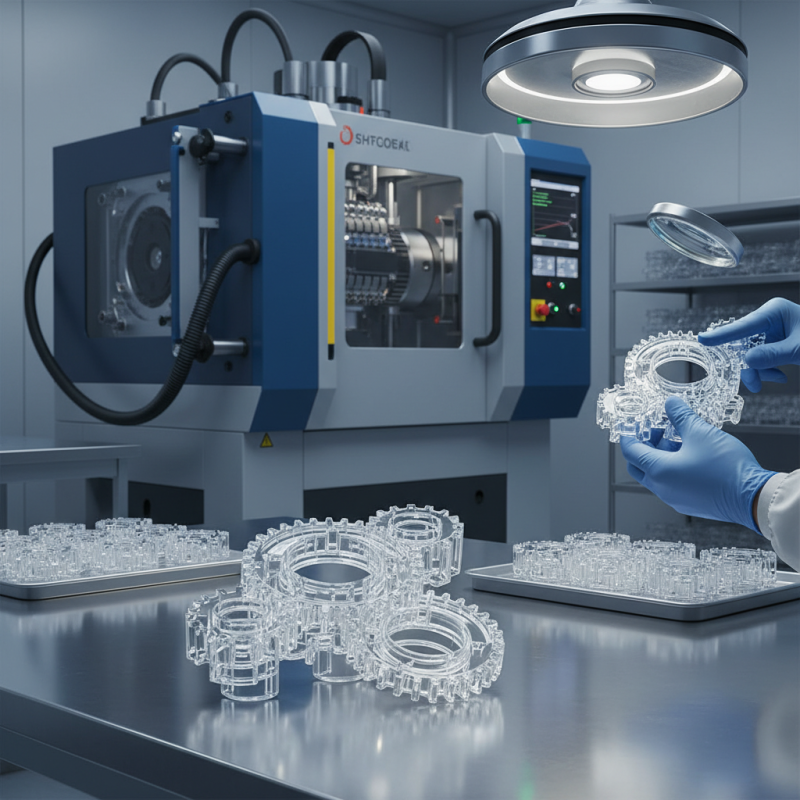
Precision injection molding is a critical process in various industries. It produces high-quality parts with tight tolerances. The importance lies in its ability to create complex designs efficiently. When executed well, it minimizes waste and costs. However, achieving precision can be challenging.
One key tip is to invest in quality molds. A poorly designed mold can lead to defects. This impacts production efficiency and product quality. Regular maintenance is also crucial. Inspect your equipment frequently to avoid unexpected breakdowns.
Another essential aspect is material selection. Different materials behave differently during molding. Research which material suits your project best. This choice affects durability and aesthetics. Remember, small changes can bring significant consequences, so every detail counts. Adjustments may require multiple iterations, leading to potential frustrations. But these efforts often pay off in the long run.
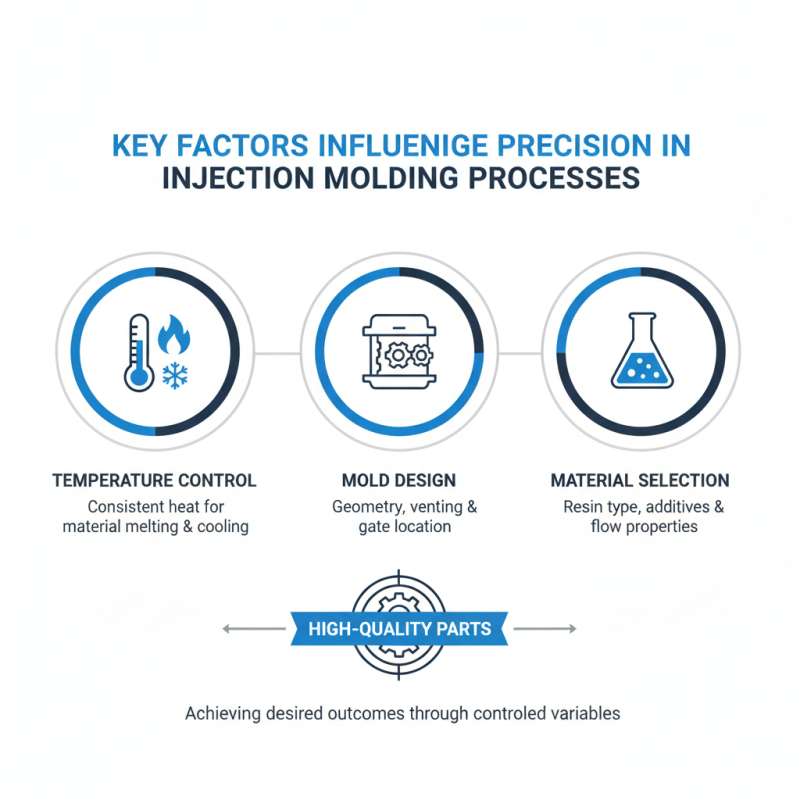
Precision in injection molding is crucial for producing high-quality parts. Key factors influencing this precision include temperature control, mold design, and material selection. Each of these aspects plays a significant role in achieving the desired outcome.
Temperature control is vital. Maintaining consistent temperatures in both the mold and the material ensures better flow and reduces defects. If the temperature fluctuates, it may lead to warping or uneven parts. It’s essential to invest time in calibrating the equipment.
Mold design must be thoroughly considered. Complex geometries can pose challenges during the molding process. A well-designed mold reduces the chances of air pockets. However, even the best designs can bring forth manufacturing challenges. Monitoring and tweaking designs based on initial runs can help improve outcomes.
Material selection also impacts precision. Different materials have unique properties that affect flow and cooling times. Using the wrong material can result in unexpected behaviors during production. Always test materials before committing to large batches. Understanding these factors will lead to better precision in injection molding.
Precision injection molding requires a fine balance of technology, equipment, and expertise. Essential equipment includes advanced injection machines that offer consistent pressure and temperature control. This consistency leads to high-quality parts with tight tolerances. A thorough understanding of the materials is crucial. Different resins behave differently under various conditions, affecting the final product's quality.
When setting up your operation, consider automation. Automated systems improve efficiency and reduce human error. However, not all tasks can be automated. Some processes still need skilled operators who can troubleshoot issues. Training is essential to prevent costly mistakes during production runs. Emphasize continuous improvement by regularly reviewing processes.
Another key aspect is mold design. A well-designed mold minimizes defects and enhances productivity. Using simulation software can help identify potential problems before production. However, complex molds can lead to increased costs and longer lead times. Balance design complexity with manufacturing feasibility for optimal results. Always be open to feedback and reassess your methods for better outcomes.
This chart illustrates the relative importance of various factors contributing to success in precision injection molding. The data presented highlights key areas such as material selection and machine calibration, which are crucial for achieving high-quality results.
Material selection is crucial in achieving success in precision injection molding. The right materials can enhance part performance and durability. Thermoplastics and thermosetting plastics are commonly used options, each offering unique properties. Thermoplastics are flexible and can be remolded, while thermosets provide strength and thermal stability. Understanding these differences is key to making the best choice.
Consider specific requirements such as strength, flexibility, and resistance to chemicals. It’s important to review the application environment. For example, materials exposed to harsh chemicals may require higher resistance levels. Sometimes, the material may not meet performance expectations, requiring a deeper analysis of properties. It’s essential to test small samples before large-scale production.
There can be challenges. Not all materials process easily. Some may result in defects like warping or uneven finishes. Communication with colleagues during material selection can reveal insights. Sharing experiences might uncover pitfalls to avoid. Learning from past mistakes leads to better decisions in the future. Precision injection molding relies heavily on knowing the right material for the job. The right choice shapes quality outcomes.
| Material Type | Applications | Advantages | Disadvantages | Typical Processing Temperature (°C) |
|---|---|---|---|---|
| ABS | Consumer electronics housings | Good impact resistance, easy to paint | Sensitive to UV light | 220-240 |
| Polycarbonate (PC) | Safety glasses, automotive components | High transparency, excellent strength | Prone to scratching | 260-300 |
| Polypropylene (PP) | Packaging, automotive parts | Chemical resistance, low density | Lower strength compared to other plastics | 180-230 |
| Nylon (PA) | Gears, industrial applications | High strength, low friction | Moisture absorption | 230-280 |
| Polystyrene (PS) | Disposable cutlery, model kits | Low cost, easy to process | Brittle, poor UV resistance | 200-230 |
Precision injection molding plays a crucial role in various industries. However, this process faces several challenges. For instance, achieving tight tolerances can be difficult. A study from the Plastics Manufacturers Association indicates that 30% of defects are due to dimensional errors. Maintaining consistent temperatures is crucial but often overlooked. Variations can lead to warping or defects in parts.
One tip for overcoming these issues is to invest in advanced temperature control systems. These systems ensure uniform heating, reducing the risk of defects. Regular maintenance on equipment is equally vital. A simple check can prevent larger problems down the line.
Another common challenge is material selection. Each resin has unique properties with specific processing conditions. Misunderstanding these can lead to poor part performance. Research from the Polymer Processing Society highlights that improper material choice can increase production costs by up to 25%.
To mitigate this, conduct thorough material testing before large-scale production. Collaborating with suppliers can also yield valuable insights into new materials. Clear communication is key. It allows for a better understanding of the intricacies associated with different materials, ultimately enhancing the molding process.