#4 – 20133 102nd Avenue, Langley, B.C. V1M 4B4 Canada

#4 – 20133 102nd Avenue, Langley, B.C. V1M 4B4 Canada
Choosing a Bms Wire Harness supplier is not a simple price comparison. The right partner must combine electrical accuracy, thermal resistance, traceable materials, and dependable production. In an electric vehicle, a small terminal fault can interrupt cell monitoring, create unstable signals, or delay service work. The harness may look modest. Its responsibility is not.
This guide compares leading Bms Wire Harness suppliers worldwide through practical criteria. These include connector quality, shielding design, voltage separation, bending performance, automated testing, customization, and delivery consistency. It also considers experience with battery management systems, not only general cable assembly. Supplier scale matters, but it can mislead. A large factory may still struggle with low-volume engineering changes or unusual connector layouts.
Professor Dirk Uwe Sauer, a recognized battery-systems researcher, has stated: “A battery is a system, not merely a collection of cells.” That principle explains why harness selection deserves engineering attention. The best supplier should understand sensing accuracy, insulation coordination, vibration exposure, and production traceability. Certifications help, but certificates alone prove little. Ask for test records.
Real-world performance tells more. Look for clean crimp profiles, protected branch points, labeled circuits, and stable resistance readings. Manufacturing photos can reveal useful details, though they never replace an audit. This review aims to identify suppliers with credible capabilities across automotive, energy storage, and industrial applications. Some rankings remain debatable. That is intentional. Supplier performance changes by region, project volume, and technical requirements.
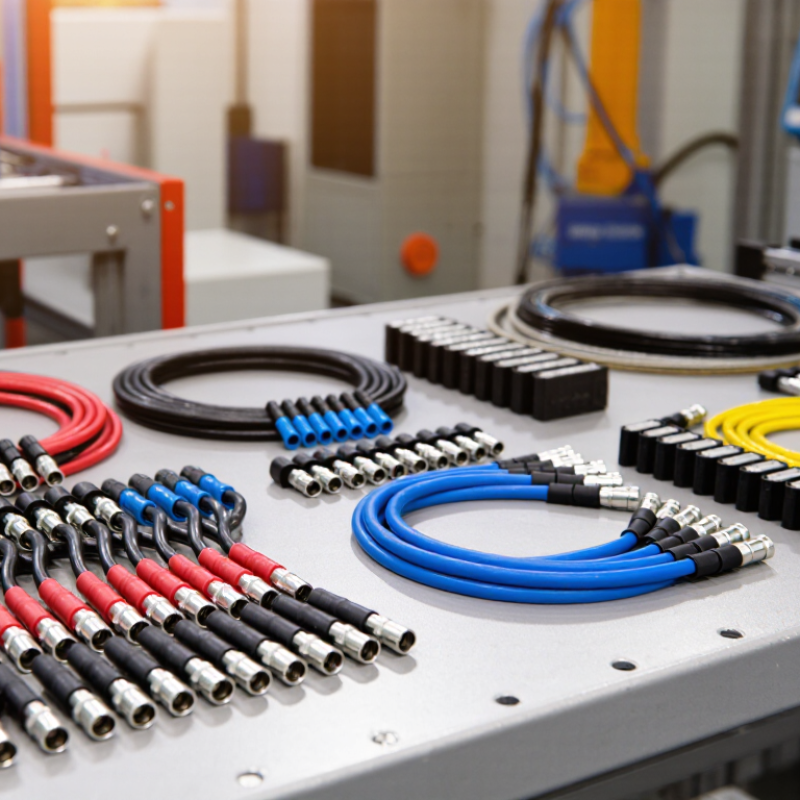
A BMS wire harness connects battery cells, sensors, control boards, and protection devices. It carries low-voltage signals and power through a demanding electrical environment. The harness must resist heat, vibration, abrasion, moisture, and electromagnetic interference. A loose terminal can distort temperature readings. That error may trigger unnecessary shutdowns or hide a developing battery fault.
The need is expanding quickly. The International Energy Agency reported nearly 14 million electric car sales in 2023, representing about 18% of global car sales. BloombergNEF reported an average lithium-ion battery pack price of 115 dollars per kilowatt-hour in 2024. As battery systems become larger and more affordable, harness quality becomes harder to overlook. Reliable suppliers typically provide crimp-force records, material traceability, continuity testing, and documented thermal-cycle results. They also design short signal paths and secure locking terminals for stable readings. Small details matter.
In field evaluations, routing often deserves more attention. A harness may pass a factory test yet rub against a sharp housing edge after repeated vibration. That is an uncomfortable gap between specification and reality. Supplier selection should include sample inspections, bend testing, insulation checks, and failure-analysis support. I would also question any supplier offering only attractive pricing. Cost matters, but an intermittent sensor connection can create expensive diagnostic work and unsafe downtime.
| Supplier Segment | Typical Manufacturing Regions | Primary BMS Applications | Core Harness Capabilities | Common Quality Standards | Typical Production Scale | Key Selection Criteria |
|---|---|---|---|---|---|---|
| Automotive Tier-1 Harness Manufacturers | East Asia, Europe, North America, and Southeast Asia | Electric vehicles Hybrid vehicles Energy storage | High-voltage and low-voltage harnesses, shielded signal wiring, cell-monitoring circuits, busbar connections, and automated testing | IATF 16949, ISO 9001, ISO 14001, and customer-specific automotive validation requirements | Mass production, generally supporting automotive programs with annual volumes from tens of thousands to millions of assemblies | Automotive traceability, validated crimping, electrical testing, process capability, global logistics, and long-term supply stability |
| Specialized Battery Harness Suppliers | China, Taiwan, South Korea, Japan, Eastern Europe, and Mexico | Battery packs Light electric vehicles Industrial equipment | Cell-tap wires, temperature-sensor leads, balance leads, connectorized battery cables, and compact custom assemblies | ISO 9001, UL-related component requirements where applicable, RoHS, REACH, and customer inspection procedures | Prototype through medium- and high-volume production | Cell-count compatibility, connector availability, wire-length accuracy, insulation quality, sample responsiveness, and customization speed |
| Energy Storage System Harness Manufacturers | North America, Europe, China, India, and Southeast Asia | Residential ESS Commercial ESS Utility-scale storage | Rack-level BMS harnesses, module interconnects, communication wiring, current-sensor cables, and high-voltage interconnections | ISO 9001, IEC-based design practices, UL and regional electrical safety requirements, RoHS, and REACH | Low-volume engineered projects to large repeat orders | Voltage rating, creepage and clearance, thermal performance, fire-safety requirements, field-serviceability, and documentation |
| Contract Manufacturers and Cable Assemblers | Mexico, Vietnam, Thailand, Eastern Europe, China, and Malaysia | Battery modules Industrial batteries OEM programs | Cutting, stripping, crimping, soldering, overmolding, labeling, continuity testing, and final assembly | ISO 9001 is common; automotive programs may require IATF 16949 and process-specific customer audits | Flexible production from engineering samples to recurring batch orders | Engineering support, tooling ownership, minimum order quantity, change control, production inspection, and delivery consistency |
| High-Voltage Cable Specialists | Europe, North America, Japan, South Korea, and China | High-voltage EV packs Charging systems Industrial power storage | Shielded high-voltage cables, orange-jacket assemblies, interlock circuits, HV connectors, and sealed terminals | Automotive electrical safety requirements, ISO 9001, IATF 16949 for automotive production, and applicable regional regulations | Medium- to high-volume production with specialized test equipment | Voltage and current rating, shielding effectiveness, insulation resistance, high-potential testing, sealing, and mating-cycle durability |
| Prototype and Low-Volume Engineering Suppliers | North America, Europe, China, India, and Southeast Asia | Battery development Research projects Pilot production | Rapid prototyping, custom pinouts, small-batch harnesses, design-for-manufacturing feedback, and engineering samples | ISO 9001 may be available; compliance depends on the intended end market and project requirements | Prototype quantities to several thousand assemblies per order | Short lead time, design flexibility, engineering communication, drawing accuracy, sample inspection, and scalable production planning |
A top BMS wire harness supplier proves reliability through repeatable engineering, not attractive catalogs. In battery systems, every conductor, terminal, seal, and connector affects safety and signal accuracy. Experienced suppliers understand voltage sensing, temperature monitoring, current pathways, and cell balancing requirements. They also design harnesses around vibration, heat, moisture, and limited installation space. Small errors matter.
Material selection reveals technical depth. High-quality copper conductors reduce resistance and unwanted heat. Suitable insulation protects wires from abrasion and chemical exposure. Secure terminals prevent intermittent readings during vehicle movement. A capable supplier should provide dimensional drawings, circuit identification, and clear tolerance data. Traceability is essential. Each production batch should connect to inspection records, approved materials, and test results.
Manufacturing discipline defines trust. Suppliers should perform continuity, insulation resistance, pull-force, and visual inspections before shipment. Automated testing can improve consistency, but it cannot replace skilled review. Communication also matters when a prototype needs changes. A responsive engineering team can suggest routing improvements, connector adjustments, or stronger strain relief. However, no supplier is perfect. Samples may pass testing yet reveal assembly difficulties in real installation. Practical feedback should reshape the design. The best partners accept that criticism and document every improvement. Consistent delivery, transparent quality controls, and honest technical limits often matter more than the lowest quotation.
This 100-point reference scorecard summarizes the main qualification factors used when comparing BMS wire harness suppliers worldwide. The criteria reflect common automotive procurement and engineering requirements, including IATF 16949 quality systems, PPAP capability, electrical performance, high-voltage safety, traceability, validation, and supply-chain reliability. The percentages represent a practical evaluation framework rather than company-specific rankings.
What Are the Top BMS Wire Harness Suppliers Worldwide?
Leading BMS Wire Harness Suppliers by Region and Capability
The strongest BMS wire harness suppliers differ by region and production strength. East Asian manufacturers often support high-volume battery programs with automated crimping and rapid tooling. European suppliers usually emphasize traceability, documented validation, and strict dimensional control. North American suppliers are often valued for engineering support, prototype flexibility, and close customer communication. Capability matters more than location alone.
A qualified supplier should control conductor resistance, terminal retention, insulation quality, and connector fit. Look for cross-sectional samples, pull-force records, and continuity test data. Suppliers serving electric vehicles may offer high-voltage sensing harnesses, temperature-sensor leads, and shielding options. Energy-storage projects may require longer cable runs, stronger abrasion protection, and stable performance across temperature changes.
Regional supply chains can reduce transport delays, but local access does not guarantee better quality. Some factories present impressive samples yet struggle with repeatability during volume production. That risk deserves attention. Ask about automated inspection, lot traceability, change-control procedures, and corrective-action records. A practical audit should include crimp height checks, bend testing, and salt-spray evaluation when conditions require it. No supplier is perfect. Even experienced teams can miss routing interference during early design reviews. Clear drawings, shared test criteria, and frequent engineering feedback help expose those weaknesses before production expands.
BMS wire harness suppliers should demonstrate more than a polished quality certificate. ISO 9001 provides a useful foundation for controlled processes, corrective actions, and documented inspections. Automotive applications often require IATF 16949 practices, especially for traceability, process capability, and supplier management. The supplier should also follow IPC/WHMA-A-620 requirements for cable assembly workmanship. These standards help inspectors judge crimps, seals, routing, and connector placement consistently.
Battery safety demands measurable testing. Each harness should undergo continuity checks, insulation resistance testing, and high-voltage withstand testing when applicable. Crimp pull-force results should be recorded by terminal and wire type. Thermal cycling, vibration, humidity, and salt-spray tests can reveal failures hidden during visual inspection. For high-voltage battery systems, suppliers should align their design process with functional-safety principles, including risk analysis and fault prevention. Evidence matters.
Not just promises.
A reliable supplier can provide material certificates, calibration records, lot-level traceability, and samples from production batches. RoHS and REACH-related material controls may also support responsible market access, depending on the destination. During audits, small details often matter: uneven seals, exposed strands, unclear labels, or a test report without equipment identification. One practical weakness deserves attention. Standards do not guarantee perfect assemblies. Human handling, rushed changes, and unclear drawings can still create risk. Suppliers should therefore review field feedback and update control plans rather than treating certification as the finish line.
Choosing the right BMS wire harness supplier requires more than comparing prices or catalog photos. The harness must match your battery architecture, voltage range, sensing layout, and installation space. Request drawings, conductor specifications, insulation data, and controlled revision records before approving samples.
Ask how the supplier controls crimp quality. A practical audit should include terminal pull-force tests, resistance checks, continuity testing, and bend-cycle evaluation. Inspect the sample yourself. Look for uneven seals, exposed strands, loose labels, or sharp transitions near connectors. Small defects can become costly faults after vibration and thermal cycling. The supplier should also provide batch traceability and clear inspection reports.
Evaluate manufacturing experience with battery systems, not only general cable assembly. Confirm production capacity, change-control procedures, incoming material checks, and response times for nonconforming parts. Quality certifications can support confidence, but they do not replace process evidence. Request a pilot batch and compare its measurements with the approved drawing. A neat sample can still hide weak crimping. That is easy to miss.
Discuss delivery risks openly. Ask about alternate materials, tooling ownership, storage conditions, and recovery plans during shortages. The best supplier may not be the largest one. It should be technically transparent, responsive, and willing to challenge an unclear requirement. If communication becomes vague during sampling, production may become harder. Choose evidence over promises.