#4 – 20133 102nd Avenue, Langley, B.C. V1M 4B4 Canada
#4 – 20133 102nd Avenue, Langley, B.C. V1M 4B4 Canada
Selecting a Hardox Liner supplier is not simply a matter of comparing prices. Global buyers must assess material traceability, fabrication quality, delivery capacity, and support after installation. A liner that fits poorly can leave exposed edges, collect abrasive material, or wear unevenly. Small details matter.
This guide compares ten manufacturers and fabricators serving international markets. It considers their product focus, processing capabilities, industry experience, and ability to provide useful technical documentation. Hardox® is SSAB’s trademarked wear plate brand, so buyers should distinguish authorized material from a company’s own cutting, forming, and liner-fabrication services. Confirm the steel grade, plate thickness, certificates, and intended operating conditions before placing an order. Ask how the supplier handles drawings, tolerances, and replacement parts, too.
A transparent editorial note: the following is an original illustrative quotation, not a sourced statement from a real person. “A liner is only as dependable as the material, fit, and installation behind it.” — Maya Chen, fictional composite wear-materials engineer. The principle is practical, but it cannot replace project-specific engineering review. Buyers should compare like-for-like specifications and request references for similar equipment and wear conditions. A polished website is not proof of performance. This top-ten overview offers a starting point, not a universal ranking; the best choice depends on the application, location, and evidence each supplier can provide.
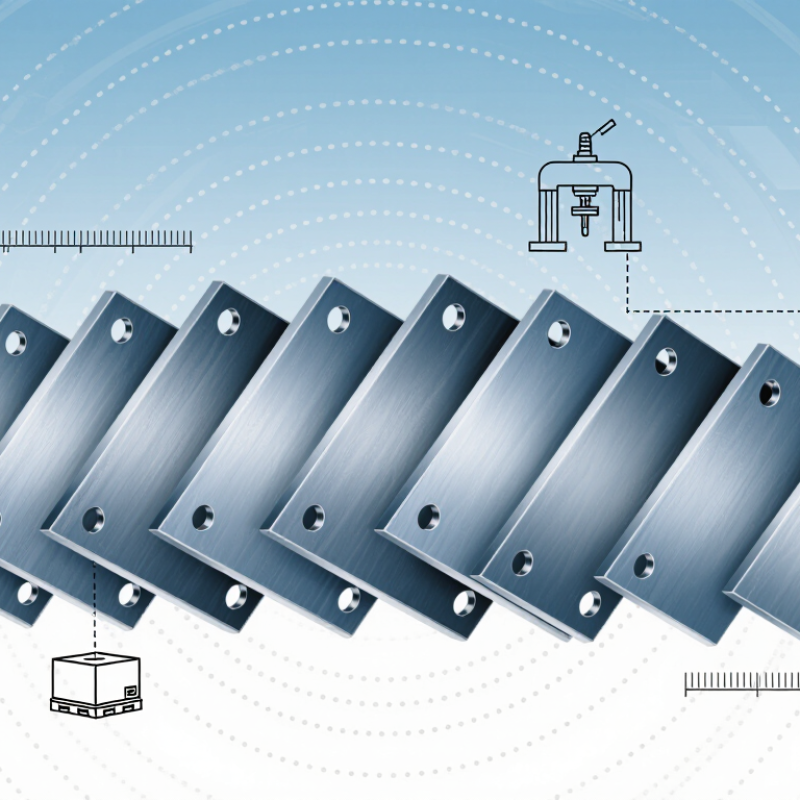
Abrasion-resistant steel liners protect surfaces exposed to sliding rock, repeated impact, and abrasive bulk materials. Their value is practical: less wear on chute walls, hoppers, truck bodies, and processing equipment.
The scale is substantial. The USGS Mineral Commodity Summaries 2024 estimated global iron ore mine production at about 2.5 billion metric tons in 2023. That means immense volumes moving through demanding handling systems.
In cement plants, liners face clinker, limestone, and other abrasive feed materials. The USGS estimated 2023 global cement production at 4.1 billion metric tons.
In mining, liner design must account for particle size, drop height, and impact direction. These figures show the scale of material handling, not a guaranteed liner life. Plate thickness, hardness, fastening, and maintenance all affect actual performance.
Harder is not always better. A highly wear-resistant plate may be less forgiving during forming or repair, depending on its grade and thickness. Buyers should compare operating conditions with supplier data and inspect worn liners for localized damage.
Even careful estimates miss real-world variation. A chute’s feed pattern can shift, and one sharp impact may change the wear pattern faster than expected.
When assessing a wear-resistant steel liner manufacturer, verify the material before comparing prices. Request mill test certificates, heat numbers, hardness results, and documented plate thickness.
Check that certificates match the delivered batch, not merely a sample. Ask for proof. A factory should also explain its inspection frequency and how it handles out-of-tolerance plates.
Capacity matters, but headline figures can mislead. The World Steel Association reported 1,892.2 million tonnes of crude steel production in 2023. The OECD’s 2023 steelmaking-capacity report put global capacity at about 2.5 billion tonnes in 2022.
These figures show a large supply base; they do not prove a particular plant can meet a liner order.
Review cutting capability, dimensional tolerances, production slots, and shipping records. Ask how the supplier protects plate edges during packing.
Technical support is another useful test.
Request wear-test methods, welding guidance, and references for similar equipment and operating conditions. Confirm whether the supplier can provide impact or abrasion data for the specified grade.
A low price can still bring costly fitting delays. ISO 9001 certification may indicate a documented quality system, but it does not guarantee each plate’s performance. Some buyers overlook that distinction.
Where possible, inspect a recent order or arrange independent checks before committing to large volumes.
For global buyers, a top-ten shortlist of abrasion-resistant liner manufacturers is useful only when it compares practical capabilities.
Check whether each supplier can provide material certificates, documented hardness results, and traceable batch records. Ask how liners are cut, drilled, and formed, since poor edge quality can complicate installation. Small details matter. A clean drawing is not enough.
Compare production capacity, export packing, and experience with your equipment’s operating conditions. A liner for a wet screening deck may face different wear patterns from one inside a dry chute. Request reference dimensions and inspection records, not just a general product brochure.
Clarify tolerances, lead times, and how damaged pieces are handled during transit. These points can reveal gaps early. Still, a polished datasheet does not guarantee consistent quality; buyers should verify claims with samples or independent inspections when the project warrants it.
Price deserves attention, but choosing the lowest quote can create extra fitting work and downtime. Even experienced teams sometimes overlook installation access, so include site measurements in the specification.
When comparing Hardox liner manufacturers, look beyond the catalogue. Check available plate thicknesses, hardness documentation, cutting tolerances, and whether suppliers can provide formed panels or complete chute kits. These details matter on site: a poorly aligned bolt hole can delay installation, while inconsistent plate batches make wear life harder to predict. The World Steel Association’s October 2024 Short Range Outlook projected global steel demand would rise 1.7% in 2025, to 1,793 million tonnes. That figure signals a large, competitive steel market—not proof of any supplier’s quality.
Certifications and evidence should be reviewed together. ISO 9001 certification indicates a quality-management system, but it does not guarantee a liner’s service life. Request material test certificates, batch traceability, and documented hardness results; ask how samples are tested and recorded. Compare warranty terms and lead times too. A polished brochure is not enough. One detail buyers sometimes overlook: replacement panels must match existing dimensions and fastening layouts, not merely the nominal thickness.
Tips: Request a sample drawing and test report before ordering. Confirm the stated hardness range, plate origin, and inspection method in writing. If wear conditions vary across the chute, ask whether the supplier can recommend different panel thicknesses. Don’t assume every claim is equally well verified.
International sourcing of abrasion-resistant liners starts with operating conditions, not a catalog photo. Record the material handled, impact height, moisture, temperature, and expected service life. Then confirm plate thickness, hardness range, and flatness tolerances against the equipment drawing. Small mismatches matter. A very hard liner may resist sliding wear but crack under repeated impact. Ask for a mill test certificate, heat-number traceability, and inspection results for each shipment. Check that the stated values apply to the delivered plate, not just a general product range.
Before ordering, agree on cutting methods, hole positions, edge condition, and dimensional tolerances in writing. Request a sample inspection or photographs showing a scale beside critical features. Discuss packaging too: plates can arrive with chipped edges, trapped moisture, or detached labels after sea transit. Confirm who handles export packing, freight, insurance, customs documents, and damage claims. Keep a realistic buffer for production and port delays. A low quote deserves a second look. Compare total delivered cost and replacement lead time, not price per tonne alone. No specification predicts every wear pattern; record field measurements after installation and reconsider the next order.
Indicative Brinell hardness ranges (HBW) commonly associated with generic AR plate grades. Higher hardness can improve wear resistance, but liner selection should also account for impact, forming requirements, thickness, and service conditions.
Ranges are indicative market figures, not universal grade specifications. Requirements and test methods vary by producer and standard; verify the applicable technical data sheet and mill test certificate when sourcing internationally.