#4 – 20133 102nd Avenue, Langley, B.C. V1M 4B4 Canada

#4 – 20133 102nd Avenue, Langley, B.C. V1M 4B4 Canada
Mold manufacturing is a critical aspect of various industries. It involves creating molds for plastics, metals, and other materials. The efficiency of this production process can significantly impact the overall quality and cost of products.
Different techniques used in mold manufacturing play a vital role. For example, injection molding can produce complex shapes quickly. On the other hand, 3D printing offers flexibility in design but may have limitations in material strength. Each method has its pros and cons, and businesses must evaluate them carefully.
In the quest for efficient production, companies often face challenges. Choosing the right technique is not always straightforward. Mistakes can lead to wasted time and resources. Continuous improvement is essential to adapt to changing market demands and technological advancements in mold manufacturing.
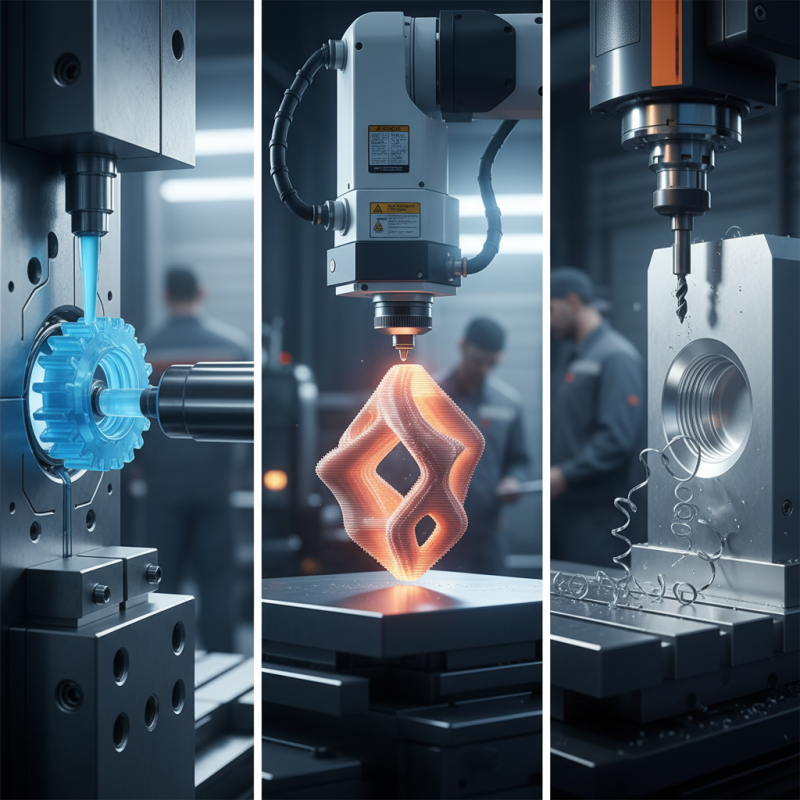
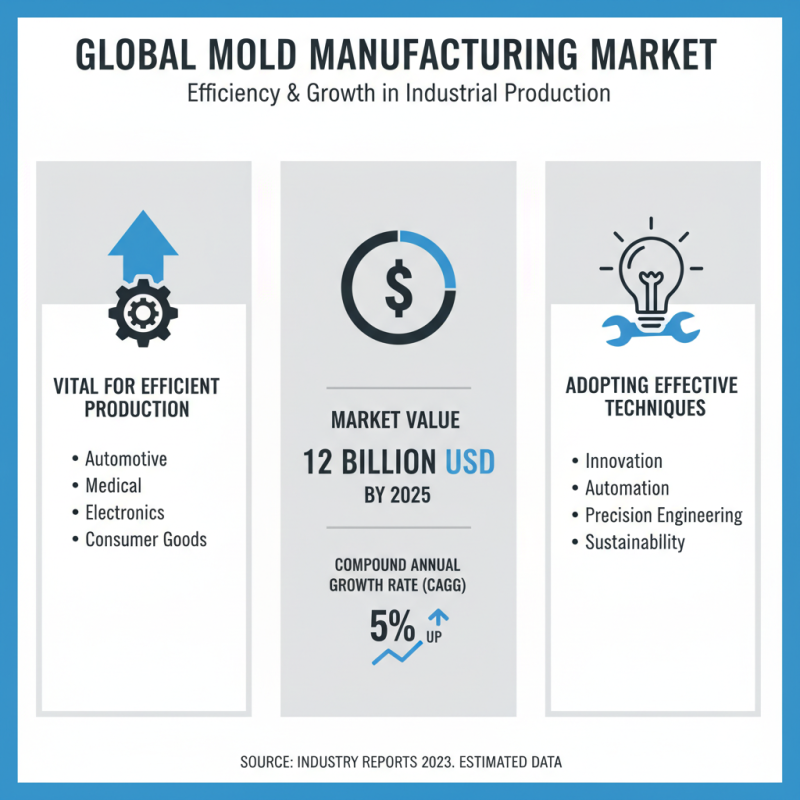
Mold manufacturing is vital for efficient production in various industries. Current reports indicate that the global mold market is expected to reach $12 billion by 2025, growing at a CAGR of 5%. This growth highlights the importance of adopting effective manufacturing techniques.
One popular method is injection molding, which allows for the mass production of complex shapes. With cycle times as low as 10 seconds, this technique is preferred. Nevertheless, managing costs can be challenging. Tooling expenses may reach up to 30% of total production costs. Manufacturers must focus on optimizing designs to address this issue.
Another technique gaining traction is additive manufacturing, or 3D printing. This allows for rapid prototyping and can reduce lead times significantly. According to recent studies, 3D printing can reduce development time by 40%. However, the quality of printed molds often requires further enhancement. Not all designs translate well from digital to physical, necessitating careful consideration in the design phase. By analyzing these techniques, manufacturers can strive for improvements while avoiding potential pitfalls.
Mold manufacturing has evolved significantly over the years. Early techniques relied on manual labor and simple tools. These methods were time-consuming and often led to inconsistencies in quality. As industries grew, the demand for precision increased. This pushed manufacturers to explore new technologies.
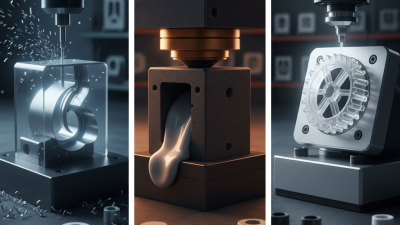
Today's processes involve advanced machinery and software. CNC machining and 3D printing are becoming more common. These techniques allow for faster production and improved accuracy. However, they also come with challenges. High initial costs can deter small businesses from adopting them. Moreover, not all designs are suited for 3D printing. This creates a gap between technological possibilities and practical applications.
Reflecting on current trends, sustainability is gaining attention. Eco-friendly materials are emerging. Yet, they often compromise on durability. Transitioning to these materials requires careful consideration. Companies must balance efficiency and environmental impact. The future of mold manufacturing will likely require more innovation and adaptation to align with both market needs and ethical responsibilities.
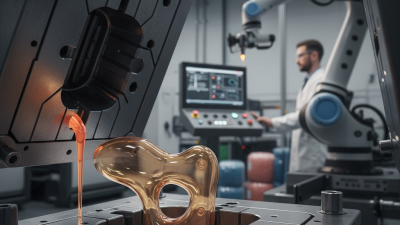
Injection molding is a critical technique in the manufacturing industry. It accounts for around 30% of the global market share. This method uses molten material, usually plastic, which is injected into a mold. Once cooled, the mold is removed, revealing the finished product. Its efficiency makes it incredibly popular for various applications. Companies benefit from speed, repeatability, and the ability to create complex shapes.
Tips: Always ensure your molds are well-maintained. A worn-out mold can lead to defects. Regular inspections are key. Consider material selection carefully. Different materials can impact the final product's quality.
Despite its advantages, injection molding isn't perfect. Setup times can be lengthy. Initial costs can be high due to mold fabrication. Companies must weigh these factors against the benefits of mass production. It’s crucial to analyze production needs before committing. Making rushed decisions can lead to costly mistakes.
Tips: Test runs can be invaluable. They provide insights into potential issues. Don’t skip this step. Invest in good training for staff. Skilled workers can reduce errors and enhance efficiency.
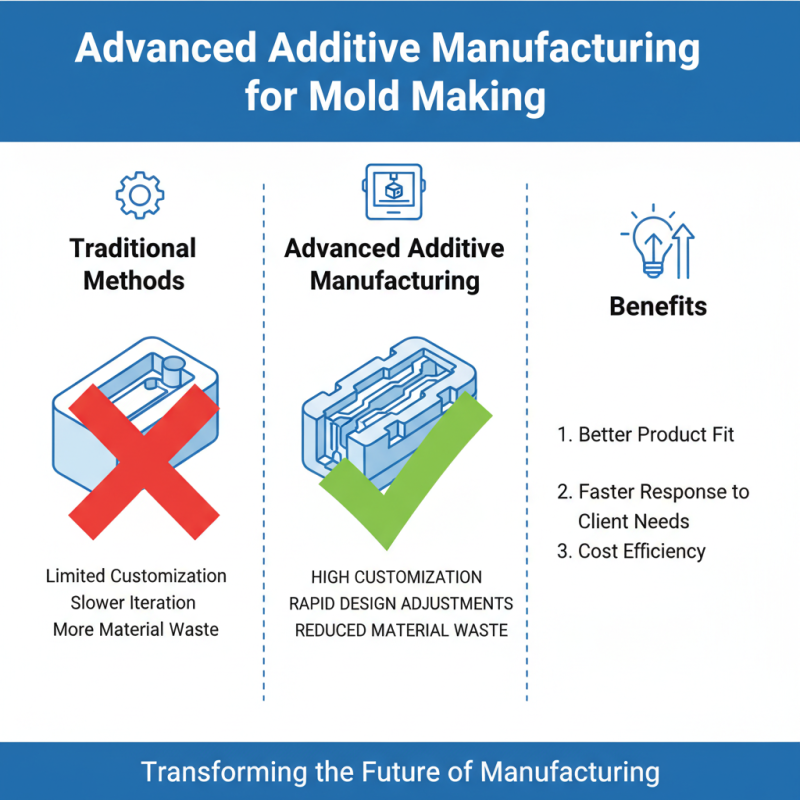
Advanced additive manufacturing techniques are transforming the mold-making industry. Unlike traditional methods, these cutting-edge techniques allow for highly customized molds. This customization leads to better product fit and reduces material waste. As a result, manufacturers can adjust designs quickly, responding better to client needs.
Tips: Always consider your project scope before selecting a technique. It’s vital to align your choice with production volume and complexity.
Materials play a pivotal role in additive manufacturing. Different materials can affect the strength, flexibility, and durability of your molds. Experimenting with various materials can yield unexpected results. Sometimes, designs might fail initial tests. These moments are opportunities for growth and idea refinement.
Tips: Don’t shy away from failing prototypes. Each failure can provide insights that enhance future designs. Keep an open mind during the design phase.
Lastly, collaboration between designers and engineers enhances production efficiency. Facilitating clear communication ensures that technical specifications meet design requirements. Sometimes, conflicts arise in expectations. Addressing these issues early fosters a more harmonious workflow.
When choosing mold materials, it’s crucial to evaluate their cost-effectiveness. Different materials impact production efficiency. According to a report by the Plastic Industry Association, steel molds often last longer than aluminum ones. However, aluminum molds are cheaper and have faster turnaround times. A medium-sized company saved 25% on initial costs using aluminum molds for short runs. But, they faced wear issues, leading to higher long-term expenses.
Mold efficiency also relies on thermal conductivity. Materials that conduct heat better can reduce cycle times. For instance, beryllium copper offers excellent thermal properties. Yet, its high cost poses challenges. We must weigh these factors carefully. A miscalculation here can lead to delays and increased waste.
Tip: Analyze the specific requirements of your project before selecting a mold material.
Despite advancements, some materials underperform in specific conditions. For example, certain plastics might warp under high temperatures. It’s essential to balance performance and cost. Testing prototypes can prevent costly mistakes down the line.
Tip: Prioritize prototypes to test material performance before mass production.
A careful analysis of costs versus benefits can lead to better efficiency. Understanding the trade-offs between upfront costs and long-term performance should guide your decisions.
This article explores the top mold manufacturing techniques that enhance production efficiency, providing insights into both historical context and current industry trends. It highlights injection molding, which holds a significant 30% share of the global market, emphasizing its dominance in the field. Furthermore, it discusses advanced additive manufacturing techniques that offer customization opportunities for molds, allowing for greater design flexibility.
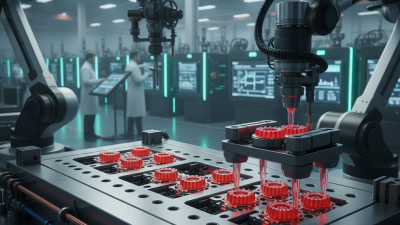
The article also includes a cost-benefit analysis of various mold materials, assessing their impact on production efficiency. Finally, it delves into the role of automation and Industry 4.0 in revolutionizing mold manufacturing, indicating a shift towards smarter and more efficient production processes. This comprehensive overview serves as a valuable resource for understanding the evolving landscape of mold manufacturing.