#4 – 20133 102nd Avenue, Langley, B.C. V1M 4B4 Canada

#4 – 20133 102nd Avenue, Langley, B.C. V1M 4B4 Canada
Global oilseed sourcing depends on more than price, origin, and stated oil content. Preparation affects cleanliness, moisture stability, extraction efficiency, storage life, and final product safety. This is why Oilseed Preparation deserves careful attention from importers, processors, and quality teams. A shipment may look uniform at the loading point, yet contain uneven moisture or small amounts of field debris. Those details can create costly problems during crushing. Practical purchasing decisions should connect preparation methods with the seed type, intended use, transport distance, and local processing equipment. No single method fits every market.
The seven methods discussed in this guide include cleaning, drying, grading, dehulling, conditioning, roasting, and mechanical preparation. Each method offers advantages, but each also requires control. Excessive heat may damage sensitive nutrients. Aggressive dehulling can increase losses. Poor drying can leave kernels vulnerable to mold during a long voyage. Quality teams should verify sampling procedures, moisture results, contaminant testing, traceability records, and compliance with destination-country requirements. Recognized food safety systems, documented supplier controls, and independent laboratory checks provide stronger assurance than attractive certificates alone. Small details matter.
There is room for caution.
Real-world results vary with harvest conditions, seed maturity, storage history, and equipment calibration. Buyers should question unusually high yield claims and request representative samples before signing large contracts. A sound preparation plan protects product quality while supporting reliable, transparent, and legally compliant international trade.
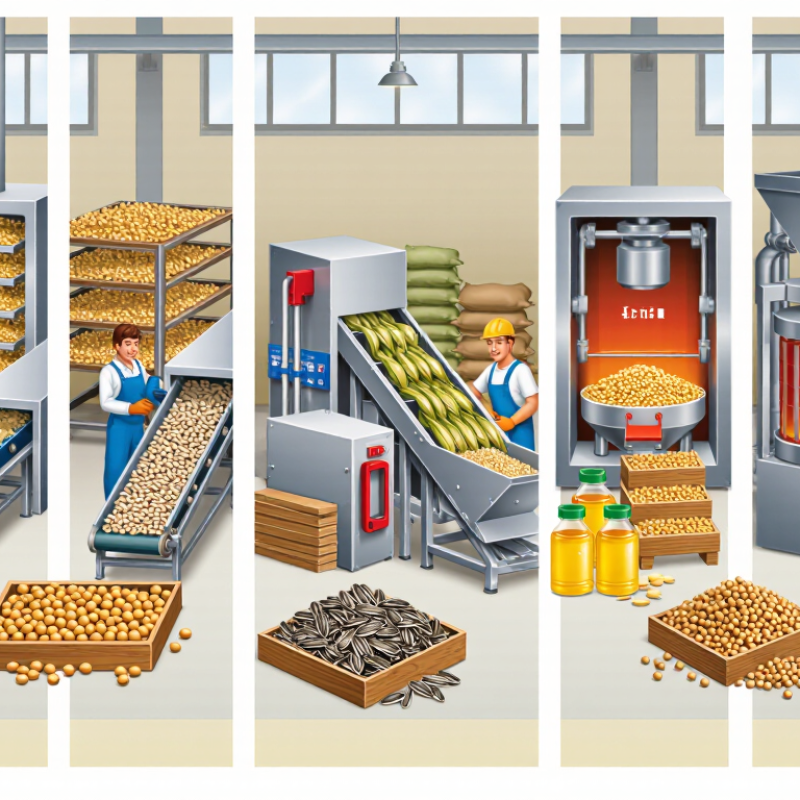
Global buyers need more than attractive oilseed samples. Quality begins with preparation that matches the crop, destination, and intended use. Cleaning removes stones, dust, and damaged seeds. Drying controls moisture before storage or transport. Sorting separates immature, discolored, or insect-affected material. Dehulling can improve processing efficiency, although it may reduce fiber content. Cracking opens the seed without excessive heat. Conditioning adjusts temperature and moisture before pressing. Careful storage protects the prepared seed from humidity, pests, and rancidity.
Each method should support measurable quality requirements. Buyers should request moisture, foreign matter, oil content, and impurity results from an independent laboratory. For edible applications, aflatoxin and other relevant safety tests may also be necessary. Sampling must represent the entire lot, not only the cleanest bags. A sealed sample can look excellent while hidden moisture develops underneath. That risk is often underestimated.
Traceability strengthens confidence. Records should identify the harvest period, origin, preparation steps, storage conditions, and transport dates. Temperature and humidity logs provide useful evidence during disputes. In practice, preparation settings sometimes need adjustment after testing. Excessive drying can create brittle seeds, while insufficient drying encourages mold. No method is perfect. Buyers and suppliers should review results together, document deviations, and improve the next shipment. Consistent preparation is not simply a factory task; it is a shared quality decision.
Typical oil content after proper cleaning and conditioning
The chart uses representative oil-content midpoints based on commonly reported commercial ranges: soybean 18–22%, canola 40–45%, sunflower seed 40–50%, peanut 44–56%, sesame 45–55%, cottonseed 15–20%, and flaxseed 35–45%. Actual results vary with variety, origin, harvest conditions, moisture, and processing. Buyers should verify cleaning, drying, grading, dehulling, conditioning, flaking, and sampling requirements before shipment.
For global oilseed buyers, preparation begins before the press or solvent line. A reliable cleaning plan protects equipment, improves yield, and supports consistent contracts. Start with incoming inspection and representative sampling. Check odor, color, moisture, insects, broken kernels, and foreign material. One handful is not enough. Sample across the entire lot.
Screening removes oversized stalks, pods, and undersized seeds. Air aspiration then separates lighter dust and husks from heavier kernels. Magnetic separation captures ferrous fragments that screens may miss. These three methods work best when airflow and screen openings match the seed type. Small details matter. Excessive airflow can carry away valuable seeds.
Destoning uses gravity differences to remove stones, glass, and dense debris. Optical sorting can identify discolored, mold-damaged, or mixed seeds when visual quality is important. A final manual inspection remains useful, especially after equipment adjustments. Keep cleaned seeds in dry, clearly identified storage, and record each result for traceability. I have seen excellent machinery fail because operators rushed sampling or ignored moisture variation. No method is perfect. Periodic rechecking is necessary, even when the first results look convincing.
7 Best Oilseed Preparation Methods for Global Buyers?
Drying and Conditioning for Safe Oilseed Storage
Global oilseed production is projected near 685 million metric tons for 2024/25, according to the USDA Oilseeds: World Markets and Trade report. That volume makes preparation more than a handling detail. It affects cargo quality, claims, and processing yield. Buyers should require cleaning, moisture testing, gentle drying, tempering, aeration, lot segregation, and documented inspection. Remove pods, stones, metal, and broken kernels before storage. These materials restrict airflow and create warm pockets.
Dry slowly, not aggressively. Excessive heat can damage germination, color, and crude oil quality. Safe moisture depends on the crop, oil content, storage period, and local climate. USDA grain inspection guidance recommends representative sampling, because one surface sample can hide a wet center. A practical check includes samples from the top, middle, and bottom of each bin. Use calibrated meters, but verify unusual readings with a laboratory method. It takes longer.
After drying, allow the seed to temper before final testing. Cooler air should pass evenly through the mass. Monitor temperature cables and inspect condensation around roof sheets and walls. FAO storage guidance identifies moisture migration and poor ventilation as major causes of localized spoilage. A fixed moisture number is convenient, but sometimes wrong. Buyers should record arrival moisture, foreign material, odor, temperature, and treatment history in every lot file. These records support traceability when quality changes during ocean transport.
Efficient oilseed preparation begins with clean, uniform raw material. Global buyers should check moisture, foreign matter, seed size, and storage history before processing. Cleaning screens remove stones, dust, and plant debris. Magnetic separation protects downstream equipment from metal fragments. These basic controls often determine final oil quality.
Conditioning adjusts seed moisture before mechanical treatment. Gentle heating can soften hulls and improve separation, but excessive heat may reduce protein performance. Cracking then breaks seeds into controlled pieces without producing too much fine material. Dehulling removes outer layers and can improve meal value. Aspiration separates lighter hulls from heavier kernels. Keep airflow stable. Small changes matter.
Flaking uses smooth rolls to create thin, even flakes. Proper thickness supports faster cooking and solvent contact during later extraction. Buyers should request records for roll pressure, flake thickness, moisture, and temperature. Sampling at several points is more reliable than checking one container. A perfectly clean separation is unrealistic. Some seeds resist dehulling, especially after uneven storage. Operators may need to adjust conditioning time, although this can slow production. Regular sieve checks and visual inspection help reveal broken kernels, excess hulls, or overloaded equipment.
Global oilseed trade requires more than choosing the lowest quoted price. Buyers should match preparation methods with destination rules, storage conditions, and final use. Cleaning removes stones, dust, and field debris. Grading creates more consistent lots. Drying helps control moisture during long ocean transport. Small details matter.
Dehulling can improve meal texture and reduce unwanted fiber. Flaking increases surface area before oil recovery. Crushing prepares seeds for efficient pressing or further processing. Heat conditioning may improve flow and reduce moisture, but excessive heat can damage oil quality. Each method needs documented controls, calibrated equipment, and representative sampling.
For food applications, buyers should verify moisture, foreign material, residues, allergens, and microbiological requirements. Feed buyers may focus more on protein value, fiber, storage stability, and safe handling records. Export documents should match the actual lot, not an idealized specification. Check the loading photos. Check again.
No method fits every market. A low-moisture seed may travel well but perform poorly during pressing. Dehulled material may suit refined food products, while whole seed can better support certain feed formulas. My practical view is cautious: preparation improves consistency, but it cannot repair poor harvesting or careless storage. Independent testing remains worthwhile, especially when specifications, climate, and end use differ.