#4 – 20133 102nd Avenue, Langley, B.C. V1M 4B4 Canada

#4 – 20133 102nd Avenue, Langley, B.C. V1M 4B4 Canada
A Regenerative Thermal Oxidizer can look straightforward in a product brochure: two or more ceramic beds, a combustion chamber, and a control system. The real decision is less tidy. Buyers must compare destruction efficiency, operating temperature, pressure drop, fuel use, maintenance access, and performance under changing exhaust conditions. A unit sized for a steady process may struggle when airflow or contaminant concentration varies. Small details matter.
For this introduction, I cannot verify a named RTO expert’s published quotation, so I won’t present invented words as a genuine quote. A useful engineering principle is: “Compare the operating conditions, not just the equipment specifications.” Treat that as editorial guidance, not a quotation from a named specialist. It points buyers toward the questions that deserve attention: What inlet conditions did the supplier use for its estimate? How are ceramic media inspected? What happens during startup, shutdown, or a process upset?
This outline will examine manufacturers serving global buyers through practical criteria, including system design, documented project experience, service support, and clarity in performance claims. No supplier is automatically the best fit. Regional support, site conditions, and the cost of routine upkeep can change the ranking. Brochures rarely show the whole picture. A careful comparison should.
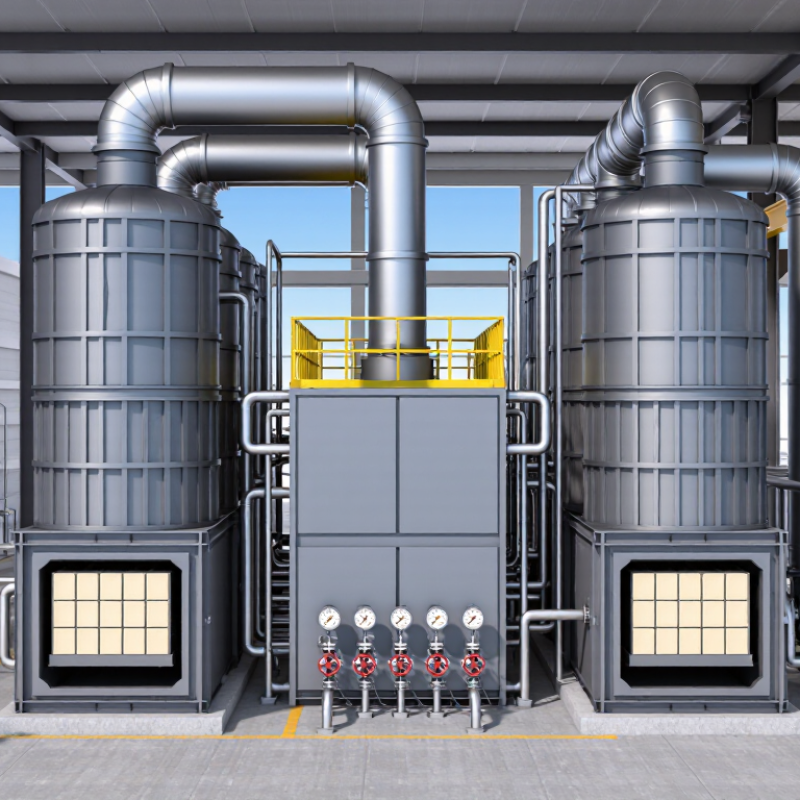
A regenerative thermal oxidizer (RTO) uses heat to break down volatile organic compounds in industrial exhaust. A fan draws contaminated air through a ceramic heat-exchange bed, which warms the incoming stream before it enters the combustion chamber. There, a burner raises the gas to an oxidation temperature, often around 760–820°C, depending on the process and contaminants. The treated gas then passes through another ceramic bed, transferring much of its heat before discharge. Flow direction switches periodically, allowing the beds to alternate between heating and heat recovery.
The cycle is practical, but not magic.
The U.S. Environmental Protection Agency’s Air Pollution Control Technology Fact Sheet on regenerative incinerators reports typical VOC destruction efficiencies of about 95–99%, with heat-recovery performance dependent on system design. These figures are reference ranges, not guarantees for every plant. Moisture, dust, changing exhaust flow, and poor maintenance can affect real-world performance. Operators should review inlet conditions and verify outlet emissions during commissioning.
A clean ceramic bed matters. So does steady airflow. One detail is easy to underestimate: frequent process changes can make performance less predictable, even when the equipment appears to be operating normally.
EPA, Air Pollution Control Technology Fact Sheet: Regenerative Incinerator, EPA-452/F-03-021.
Choosing an RTO manufacturer starts with the exhaust stream, not a brochure. Share measured flow rates, operating temperatures, moisture levels, and contaminant concentrations. Ask how the proposed system handles production swings and brief process interruptions. A unit sized only for peak flow may waste energy during routine operation.
Review the design details. Compare stated destruction efficiency, thermal recovery, pressure drop, and operating range under conditions similar to your facility. Request written assumptions behind performance figures, plus a clear description of testing methods. Small details matter: fan capacity, valve timing, and access to ceramic media can affect daily reliability. Ask for references from plants with comparable exhaust streams. Then speak with their maintenance teams, not only purchasing staff.
Service capability deserves equal attention. Confirm commissioning support, operator training, spare-part availability, and expected response times at your site. Examine the control system and ask what alarms operators will see when temperatures or pressures drift. Request a lifecycle estimate that includes fuel, electricity, maintenance, and planned media replacement. Numbers can look precise while hiding assumptions. No checklist is perfect. Your own operating data may still be incomplete, so identify that uncertainty before comparing proposals.
Leading RTO manufacturers serving global markets design systems for varied exhaust streams, production schedules, and operating conditions. A capable supplier should assess gas flow, solvent concentration, temperature, and dust loading before proposing equipment. These details shape chamber size, heat recovery, burner capacity, and control strategy. Small errors in the initial data can affect performance later.
Global projects also depend on practical support. Ask how the manufacturer handles process testing, commissioning, operator training, and replacement parts across regions. Clear drawings and accessible maintenance instructions matter when technicians inspect ceramic media or check burner settings. Ask for documented performance data from comparable applications, not just broad efficiency claims. Details count.
Communication deserves the same scrutiny as engineering. Time-zone differences and language gaps can slow troubleshooting, even when the equipment is well designed. A detailed service plan helps, but it cannot prevent every delay. That is worth admitting. Buyers should compare lifecycle costs, warranty terms, and local service access alongside purchase price. The best fit is not always the largest system or the most familiar specification; it is the system matched to actual operating data and the support available where it will run.
Typical industry-reported ranges for regenerative thermal oxidizers; figures are general benchmarks, not manufacturer-specific ratings.
Actual performance depends on system design, operating conditions, process-stream characteristics, and the measurement method. Confirm guaranteed values with suppliers.
Choosing a regenerative thermal oxidizer requires more than comparing quoted destruction rates. The U.S. Environmental Protection Agency’s Air Pollution Control Technology Fact Sheet for regenerative incinerators reports typical VOC control efficiencies of 95–99%, depending on design and operating conditions. Buyers should ask how a supplier will verify performance against the actual exhaust flow, VOC concentration, moisture, and temperature. A percentage on a proposal is not a site guarantee. Ask for the test method, operating range, and exclusions in writing.
Project support matters from process data collection through commissioning. Strong manufacturers document assumptions, explain burner turndown, and provide clear schedules for ceramic media inspection and replacement. They should also help assess duct pressure, controls integration, and access for maintenance. Ask who will be present during startup, how operator training is delivered, and how service response works outside normal hours. Small details count: a maintenance platform that blocks a valve can turn routine service into a shutdown.
EPA guidance is useful, but it cannot predict every plant’s emissions profile or operating pattern. Request comparable reference projects and discuss differences in airflow and production cycles. Check whether guarantees cover availability, fuel use, and emissions testing—not only destruction efficiency. Some procurement teams focus heavily on capital cost. Understandable, but incomplete. A spreadsheet may miss the cost of delayed support or difficult access.
Global buyers should select a regenerative thermal oxidizer supplier by matching the system to actual exhaust conditions, not just the quoted capacity. Ask for documented performance at your expected flow rate, VOC concentration, temperature, and operating schedule. The U.S. EPA’s Air Pollution Control Technology Fact Sheet for regenerative incinerators reports typical VOC destruction efficiencies of 95–99% and thermal energy recovery around 95%. These are reference figures, not guarantees for every installation. Request test methods, operating assumptions, and references from facilities with similar process streams. A neat brochure is not enough.
Look closely at the heat-exchange media, valve design, controls, and access for maintenance. Ask how the supplier handles dust, fluctuating VOC loads, and start-up periods. Compare energy use and pressure drop alongside purchase price; a lower quote may leave costly details unclear. Check commissioning support, operator training, spare-parts availability, and response times across your region. I have seen specifications look complete while leaving routine maintenance awkward. That deserves a closer question.
Tips:Request a written performance guarantee tied to defined inlet conditions. Ask for estimated annual fuel use, expected maintenance tasks, and a clear list of exclusions. Have your process engineer review the assumptions before signing. Don’t skip the small print.