#4 – 20133 102nd Avenue, Langley, B.C. V1M 4B4 Canada

#4 – 20133 102nd Avenue, Langley, B.C. V1M 4B4 Canada
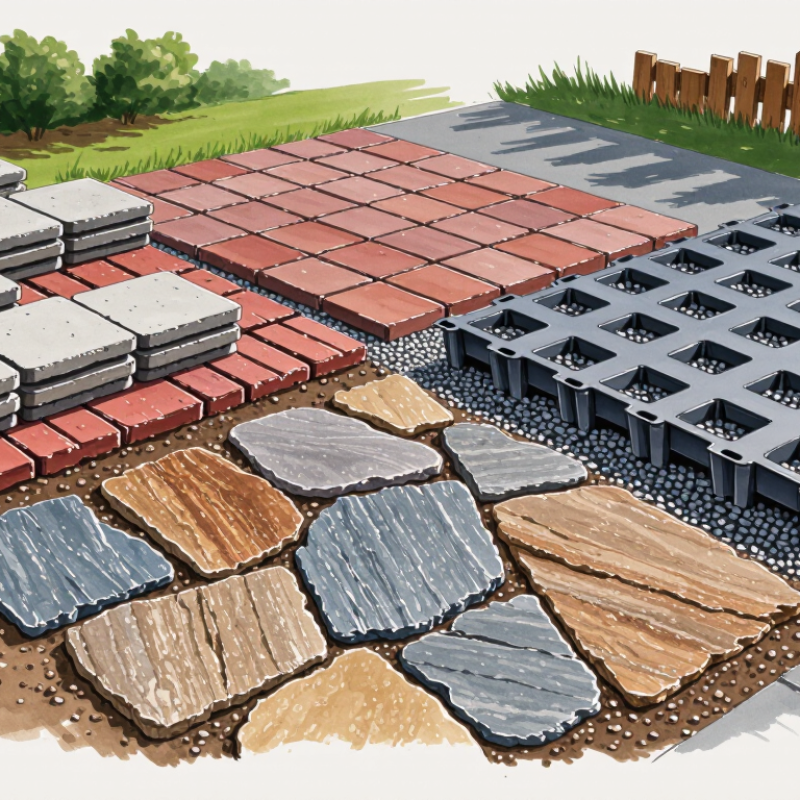
Used pavers can bring character and lower material costs to a patio, walkway, or driveway, but the best choice depends on more than appearance. Concrete pavers are widely available and come in practical shapes. Clay brick offers warm, varied color. Natural stone adds texture, though thickness and dimensions may differ between pieces. Permeable pavers can suit projects designed to let water drain through the surface. Each type has trade-offs.
The U.S. Environmental Protection Agency’s 2018 report, Advancing Sustainable Materials Management: 2018 Fact Sheet, estimated that the United States generated 600 million tons of construction and demolition debris. About 455 million tons were directed to “next use.” Those figures cover many materials, not pavers alone, but they show why careful reuse matters. A reclaimed paver still needs inspection. Check for deep cracks, worn edges, stains, consistent thickness, and a clean underside. Then test a small group together. Color can shift in outdoor light.
Good choices start with honest checks. For this introduction, I cannot verify a published quotation from a named Used Paver specialist, so I will not invent one. Instead, the practical advice is simple: judge the lot, not just the sample. Ask how pieces were stored, measure several, and confirm the quantity includes usable units. A few mismatched bricks may add charm. Too many can complicate installation. Used pavers can be excellent material, but condition varies—and that deserves a closer look.
Used brick pavers offer warm, varied color and a surface that often feels less uniform than new paving. Their appeal is visible. Some pieces show softened edges, old mortar marks, or subtle shade changes from years outdoors. These details suit garden paths, courtyards, and patios where a weathered look feels natural. Before buying, inspect several pieces from the actual lot. Check for deep cracks, crumbling corners, and inconsistent thickness. Ask whether the bricks were previously used as paving or reclaimed from a wall; wall brick may not suit ground contact. Small differences matter.
For installation, match the pavers to the job. A stable, well-drained base helps limit movement, while consistent thickness makes leveling easier. Used bricks can work for walkways and seating areas; vehicle areas need pavers rated for that load and a properly designed base. The U.S. Environmental Protection Agency estimated that the United States generated about 600 million tons of construction and demolition debris in 2018. That figure covers many materials, not just brick, but it shows why reuse is worth considering. Reclaimed stock can reduce demand for new material, though transport and sorting still have impacts. Test a small area first. Batch variation is real.
Used Concrete Pavers: Shapes, Finishes, and Uses
Used concrete pavers come in rectangular, square, and interlocking shapes. Rectangles suit running-bond paths, while squares create a calm, grid-like patio. Interlocking pieces can help distribute movement across driveways, though their performance depends on the base beneath them. Reclaimed batches often contain several shades. That variation can look natural, but it may not suit a tightly uniform design. Finishes range from smooth, lightly textured surfaces to worn, exposed aggregate. Check each piece in daylight; damp pavers can appear darker than they really are.
Tips: Ask for a sample area, not just one paver. Inspect edges for deep chips and surfaces for cracks, oil marks, or uneven wear. Measure several pieces, since older stock may vary slightly. Confirm the lot includes enough matching units, plus extras for cuts and future repairs.
These pavers work well for garden paths, patios, and low-traffic seating areas. Textured surfaces may offer better footing when wet, but texture alone cannot prevent slipping. For a driveway, have the base and paver thickness assessed for expected vehicle loads. Some wear is part of the appeal; still, I would reject pieces that rock on a flat surface or crumble at the corners. A little inconsistency is charming. A tripping edge is not.
Reclaimed natural-stone pavers bring varied color and texture to patios, paths, and courtyards. Granite is dense and handles heavy foot traffic well, though its surface can feel hard underfoot. Limestone offers soft, muted tones, but porous pieces need careful screening in freeze-thaw climates. Sandstone has visible grain and warm color; slate adds layered edges and darker shades. Expect variation. Old batches rarely match perfectly.
The U.S. Geological Survey’s 2024 Mineral Commodity Summaries estimated U.S. dimension-stone production at roughly 2.5 million metric tons in 2023. That category includes many uses, not just paving, so it is useful industry context rather than a paver-market count. For reclaimed stock, ask suppliers about the original stone type, thickness, and prior use. Check for cracks, salt damage, and uneven wear. A weathered face can look appealing, yet hidden damage may make installation less predictable.
Tips: Mix pieces from several pallets before laying them. Request a few sample pavers and test them outdoors after rain. Confirm slip resistance and freeze-thaw suitability for your climate; reclaimed stone can vary even within one lot.
Approximate Mohs hardness ranges for common natural-stone paver types. Hardness varies with mineral composition and the individual stone.
Used clay and porcelain pavers can look similar in a salvage yard, but they behave differently underfoot. Clay pavers are kiln-fired and often show gentle shifts in color, from rusty red to muted brown. Their edges may be rounded by years of use. That wear can add character, but deep chips and cracks may weaken individual pieces. Clay is generally more absorbent, so check for flaking, especially if the pavers will face repeated wet and freezing conditions.
Porcelain pavers are typically denser and absorb less moisture. Their color and finish may appear more consistent, although years of traffic can still leave scratches or chipped corners. A polished-looking surface is not automatically a safe outdoor choice; ask whether the finish provides suitable grip when wet. Porcelain can also be harder to cut, which may affect installation time and the tools required. It is easy to overvalue a clean surface. I would not judge a lot by appearance alone.
Before buying either type, inspect several pieces from different parts of the stack. Compare thickness, dimensions, underside condition, and color variation. A few mismatched clay tones may feel charming at first, then look distracting across a large patio. With porcelain, even small size differences can complicate tight joints. Ask how the pavers were stored, and test a sample in the intended location when possible. A slightly imperfect match may be acceptable; inconsistent thickness is harder to overlook.
| Comparison | Used Clay Pavers | Used Porcelain Pavers |
|---|---|---|
| Material and manufacture | Made from natural clay or shale and hardened in a kiln. Color is generally present throughout the fired body, though appearance varies by clay and manufacturing process. | Made from refined ceramic materials and fired at high temperatures. Porcelain tile is commonly defined by water absorption of 0.5% or less, but verify the product’s technical documentation. |
| Common used formats | Often rectangular brick shapes, including modular paver sizes. Actual dimensions and thickness vary by product and installation. | May include large-format tiles or outdoor pavers, commonly sold in thicker formats such as 20 mm. Not every porcelain tile is suitable for use as a paver. |
| Appearance | Typically has a traditional, textured brick appearance. Weathering and natural color variation can add character to reclaimed material. | Available in a wide range of colors and printed patterns, including stone- or concrete-like designs. Used pieces may show surface wear, fading, or edge damage. |
| Water and stain considerations | Absorption varies by product. Some clay pavers can absorb more water and may require careful selection for wet or freeze-prone locations. | Low water absorption is a characteristic of porcelain, but grout, joints, surface texture, and installation details still affect overall performance and cleaning. |
| Outdoor and freeze-thaw use | Can be suitable outdoors when the specific paver is rated for the site conditions. Check applicable product specifications and local requirements. | Can be suitable outdoors when specifically designed and rated for exterior paving. Confirm freeze-thaw suitability, thickness, and installation method before reuse. |
| Traction underfoot | Texture may provide useful grip, but traction depends on the surface finish, wear, dirt, and whether the paver is wet. | Traction varies substantially by finish. Choose a surface with appropriate wet-slip performance for the intended location; polished finishes may be unsuitable in wet areas. |
| Handling and installation | Individual units are generally manageable to handle, but reclaimed batches can vary in size and thickness. Sort and measure pieces before installation. | Large or thick pieces can be heavy, while thinner tiles may not be suitable for a paver installation. Follow the product’s specified base or setting method. |
| What to inspect when buying used | Check for cracks, spalling, chipped edges, uneven wear, and consistent dimensions. Ask about previous use and exposure to freeze-thaw conditions. | Check for cracks, chipped corners, surface scratches, and variation between pieces. Confirm that the product is an exterior-rated paver rather than a standard indoor tile. |
| Best fit for reuse | A practical option for brick-style paths, patios, and repair projects when the reclaimed units are sound and compatible with the installation. | A potential choice for contemporary patios and outdoor areas when the pieces are exterior-rated, sufficiently thick, and in good condition. |
Buying tip: Used pavers can vary in condition, dimensions, and performance. Inspect the full batch and verify suitability for the intended application before purchase or installation.
Inspect used pavers in daylight, not just in a seller’s photo. Check the top, edges, and underside for deep cracks, flaking, and broken corners. Look closely. Light surface staining is often cosmetic, but scaling or layers coming loose can point to weather damage. Sort a sample by thickness and size, then compare several pieces; uneven dimensions can make installation difficult. Ask how the pavers were removed and stored. A clean, dry stack is easier to assess than a mixed pile pulled from soil.
For concrete units, ASTM C936/C936M sets reference requirements for new solid interlocking pavers:
average compressive strength of 8,000 psi and average water absorption no higher than 5 percent.
These are not test results for a used lot, so treat them as benchmarks, not proof of condition. The U.S. EPA’s 2018 construction and demolition materials report estimated 600 million tons of debris generated and 455 million tons directed to next use. That figure supports reuse broadly, but says nothing about any individual batch. If the quantity matters, request a representative sample and arrange testing. I would also lay out a small test area before buying; color variation can look charming in a stack, then oddly patchy across a patio.