#4 – 20133 102nd Avenue, Langley, B.C. V1M 4B4 Canada

#4 – 20133 102nd Avenue, Langley, B.C. V1M 4B4 Canada
Treated Fresh Air is vital for maintaining a healthy indoor environment. This air undergoes a filtration process, removing pollutants and allergens. People spend about 90% of their time indoors. Therefore, the quality of indoor air significantly influences health and comfort.
Imagine breathing in air that is free from dust, mold, and harmful chemicals. Treated Fresh Air achieves this by utilizing advanced technology. It integrates temperature and humidity control, creating a pleasant atmosphere. Yet, many may underestimate the importance of such systems until they face air quality issues. In reality, indoor air can be more polluted than outdoor air, especially in poorly ventilated spaces.
The pursuit of fresh air is not just a luxury; it’s essential for everyone. A reliable treated air system can enhance well-being, productivity, and overall quality of life. Investing in treated fresh air solutions reflects a commitment to health. However, it’s crucial to consider maintenance and regular checks to ensure optimal performance. Are we doing enough to prioritize this vital resource?
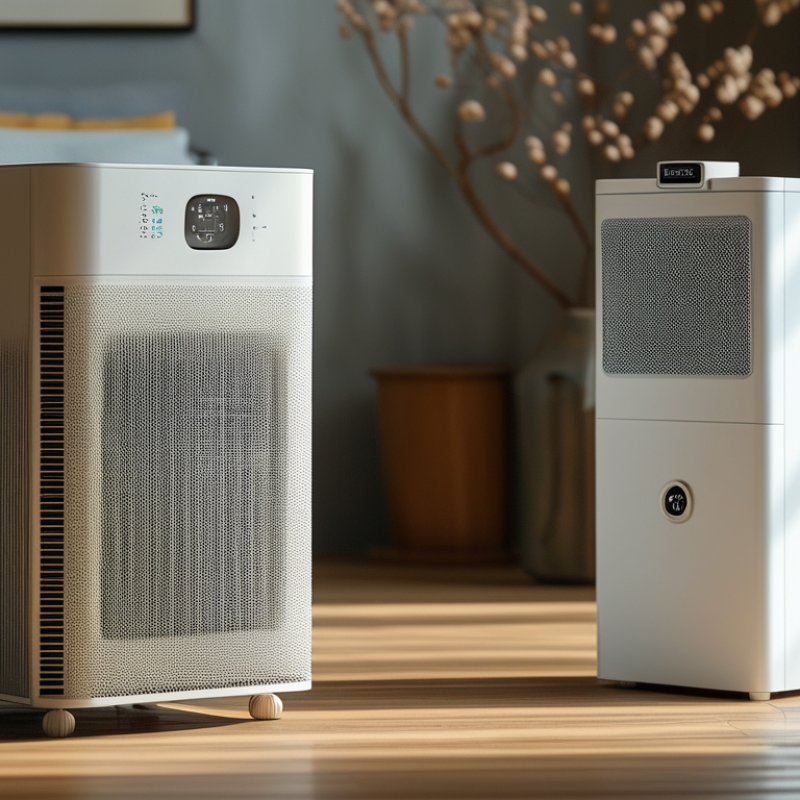
Indoor air quality plays a crucial role in our overall health and well-being. Treated fresh air refers to outdoor air that has been conditioned, filtered, and sometimes humidified or dehumidified for indoor use. According to the World Health Organization, indoor air pollution contributes to 4.3 million premature deaths globally each year. This highlights the importance of ensuring we breathe clean, fresh air indoors.
Effective treatment of fresh air can significantly reduce pollutants such as dust, pollen, and volatile organic compounds (VOCs). A recent study found that indoor VOC levels are often higher than outdoor levels, underscoring the need for proper air treatment. Poor indoor air quality can lead to respiratory issues, fatigue, and headaches, making it essential to use treated fresh air in homes and workplaces to foster a healthier environment.
However, achieving optimal indoor air quality requires ongoing effort. Many spaces do not utilize adequate ventilation systems, leading to stagnation and increased indoor pollutants. Regular maintenance and air quality assessments are vital to ensure that treated fresh air systems function correctly. It's essential to reflect on the air we breathe daily, as neglecting this aspect can have long-term health implications.
Treated fresh air is essential for our health and comfort. The process of treating this air involves various methods and technologies. One common method is filtration. Filters can trap dust, allergens, and pollutants. This step ensures that the air we breathe is cleaner and safer.
Another important technology is heat recovery ventilation. This system exchanges stale indoor air with fresh outdoor air. It also helps maintain comfortable indoor temperatures, improving overall energy efficiency. Some systems use ultraviolet light to kill harmful microorganisms. This method adds another layer of safety.
While these technologies are effective, their implementation can be challenging. Not all systems fit every environment. Building configuration, moisture control, and air quality goals must be considered. This complexity may lead to misunderstandings about the best practices for air treatment. Regular maintenance is vital, as neglected systems can become less efficient over time. Striking a balance among these factors is crucial for optimal treated fresh air.
Treated fresh air plays a vital role in maintaining indoor air quality. Studies reveal that indoor air can be up to five times more polluted than outdoor air. This pollution can lead to various health issues. Symptoms like headaches, fatigue, and respiratory problems are common complaints among individuals exposed to poor air quality.
Research shows that proper ventilation and treatment of fresh air improve overall well-being. One study found that students in well-ventilated classrooms perform better academically. Another statistic indicates that employees in offices with treated air show increased productivity and lower sick leave rates. These findings highlight the significant impact of air quality on cognitive function and mental health.
Clean, treated air does more than just refresh a space. It reduces allergens, bacteria, and harmful particles. However, relying on air treatment systems alone is not enough. Regular maintenance and monitoring of indoor air quality are crucial. Many people overlook the importance of this task, leading to recurring issues. Engaging in small daily habits can complement air treatment, like keeping windows open when possible. This dual approach cultivates a healthier living environment.
Treated fresh air systems play a crucial role in maintaining indoor air quality. These systems are not only about comfort but also about health and safety. Industry standards specify the levels of contaminants that must be managed. Regulations often require filtration and treatment methods to ensure air is free from harmful particles and gases.
Experts recommend following guidelines from reputable organizations. They provide benchmarks for particulate counts, humidity levels, and temperature ranges. Compliance with these standards can be challenging. Many facilities struggle to meet the latest regulations, leading to questions about their systems' effectiveness. Continuous monitoring and adjustments are necessary.
Moreover, maintaining treated fresh air systems is not always straightforward. Factors like energy consumption and system efficiency can complicate adherence to standards. This can result in excessive costs or inadequate air quality. Regular inspections and updates are crucial to ensure compliance and safeguard health. Facilities must evaluate their systems periodically. Balancing regulatory compliance with practical challenges is essential.
Treated fresh air (TFA) plays a crucial role in enhancing energy efficiency in buildings. When outdoor air is treated before entering a building, it helps in maintaining optimal indoor air quality. This process involves filtering, heating, or cooling the air, making it more comfortable for occupants. Consequently, well-managed TFA can reduce reliance on heating and cooling systems, which in turn lowers energy consumption.
Many buildings often overlook the importance of TFA. They either use unfiltered air or neglect conditioning entirely. This oversight can lead to increased utility costs and discomfort. Inadequate air treatment raises dependence on HVAC systems and may cause them to work overtime. As a result, energy efficiency suffers, along with indoor comfort.
Attention to airflow and air quality can result in significant savings. When systems are designed to optimize TFA, buildings operate more efficiently. However, the relationship between energy use and air quality is complex. Striking a balance is essential; too much conditioning can be wasteful, while too little can harm health. Thus, a nuanced approach to TFA is necessary for both occupant satisfaction and energy efficiency.