#4 – 20133 102nd Avenue, Langley, B.C. V1M 4B4 Canada

#4 – 20133 102nd Avenue, Langley, B.C. V1M 4B4 Canada
Navigating the complexities of US Aluminum Products DDP Customs Clearance can be challenging for buyers. Understanding the import process is crucial for ensuring smooth transactions. The dynamics of DDP, or Delivered Duty Paid, require careful planning and knowledge.
Buyers should familiarize themselves with the specific customs regulations related to aluminum products. This includes documentation, tariff classifications, and applicable duties. Missing details can lead to delays and additional costs. Each shipment may present unique challenges that require attention to detail.
Experience suggests that working with a knowledgeable customs broker can significantly ease the process. They provide insights into local regulations and help in resolving issues quickly. However, relying solely on external help without understanding the basics is risky. Buyers must stay engaged and informed throughout the clearance process. This balance between seeking expertise and maintaining oversight can lead to successful imports.
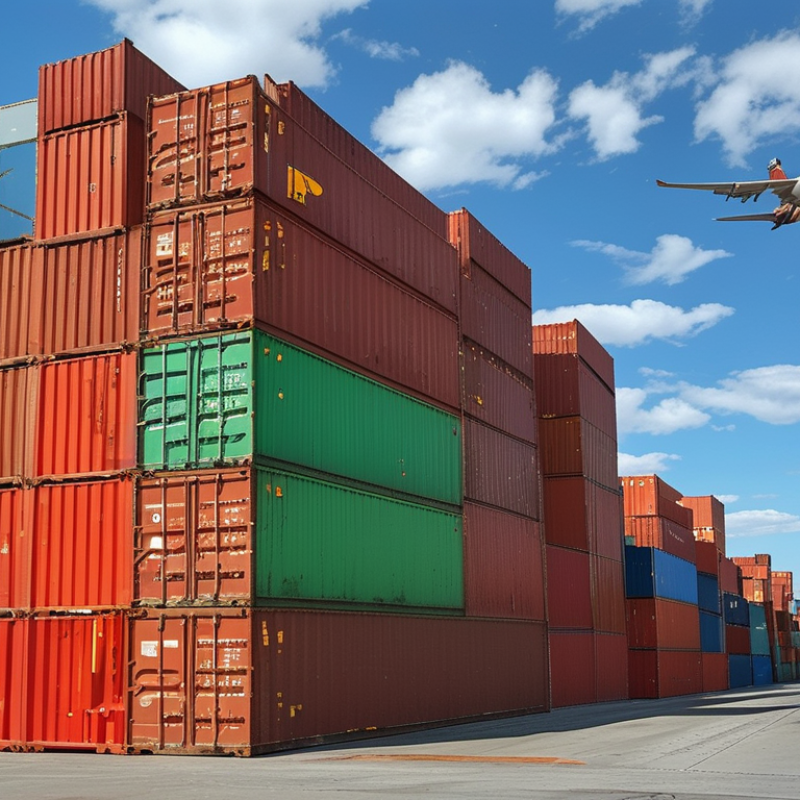
Understanding DDP (Delivered Duty Paid) for aluminum products is crucial for buyers looking to simplify their import process. Under DDP, the seller assumes full responsibility for shipping costs, customs clearance, and any applicable duties or taxes. This means buyers don’t have to deal with unexpected fees or delays. Instead, they can focus on their core business activities.
When importing aluminum products, precision in documentation is vital. Ensure all invoices, packing lists, and customs declarations are accurate. Small errors can lead to significant delays. Working with experienced suppliers can help mitigate these challenges. They can guide you through the complex customs landscape and ensure all paperwork complies with regulations.
It’s essential to consider the potential for unforeseen complications. Customs inspections can delay shipments, even under DDP. Buyers should remain proactive, maintaining open communication with their logistics providers. Additionally, double-check import regulations in your country to avoid non-compliance issues. This attention to detail can prevent costly mistakes that may arise from miscommunications or incomplete documentation.
When importing aluminum products into the U.S., understanding the customs clearance process is vital for buyers. The U.S. International Trade Administration reported that aluminum imports increased by 5% in 2022, highlighting the growing market. Buyers must closely follow the customs procedures to avoid delays and unexpected costs.
One crucial step is ensuring accurate documentation. Importers need to provide a detailed invoice that includes product descriptions, quantities, and values. Any discrepancies can lead to customs inspections, which prolong the clearance process. According to a survey by the Customs and Border Protection agency, 30% of shipments face delays due to incomplete paperwork. Keeping precise records can prevent this issue.
Another important aspect is understanding tariff classifications. The Harmonized Tariff Schedule has specific codes for different aluminum products. Misclassification can result in fines and additional duties. Research shows that proper classification can save up to 10% on tariffs. Buyers may also consider consulting with customs brokers who can offer valuable insights. The complexity of U.S. customs regulations requires diligence, and relying on experts can mitigate potential risks.
When dealing with DDP (Delivered Duty Paid) customs clearance for aluminum products, understanding essential documentation is crucial. Key documents include commercial invoices, packing lists, and bills of lading. These ensure smooth transit and compliance with customs regulations. A well-prepared commercial invoice should provide specific details about the goods, including quantities and materials used. This level of detail aids in accurate valuation and duty assessment.
Obtaining the right permits is also necessary. Import licenses may be needed depending on your destination country. Ensure that you check local regulations before shipment to avoid unexpected delays. Additionally, clear labeling on packages can help expedite the process. Properly labeled packages assist customs officials in identifying products quickly.
Maintaining accurate records is vital. Keep copies of all documentation, including correspondence with freight forwarders. This is not just for compliance but also for resolving potential disputes. Carefully reviewing these records provides a safety net for your business operations. Achieving successful customs clearance requires diligence and attention to detail.
Customs clearance for aluminum products can pose several challenges. According to the U.S. Customs and Border Protection, issues arise due to misclassification and incorrect product descriptions. For instance, products declared under the wrong Harmonized Tariff Schedule (HTS) code may face delays or increased tariffs. High tariffs can significantly impact profit margins.
Another common challenge is compliance with aluminum standards and regulations. The International Aluminum Institute emphasizes that meeting environmental regulations is crucial. Non-compliance can lead to fines and detention of shipments. Buyers often underestimate the complexity of these regulations. Ensuring proper documentation is essential, including certificates of origin and compliance with safety standards.
Additionally, communication with freight forwarders is vital. Inadequate information transfer leads to misunderstandings and more issues. Effective communication can prevent logistical errors. Buyers should invest time in understanding customs processes. This knowledge will help in navigating potential pitfalls and avoiding unexpected costs.
Understanding aluminum import regulations is essential for buyers in the U.S. Aluminum products can encounter complex customs procedures. To navigate these waters successfully, you need to stay informed and proactive.
Documentation is key. Ensure all paperwork is accurate and complete. Missing or incorrect documents can lead to delays or fines. Familiarize yourself with the Harmonized Tariff Schedule (HTS) codes relevant to aluminum products. This helps in correctly classifying your imports and setting appropriate duties.
Staying updated on changing regulations is crucial. Policies can shift, affecting tariffs or import rules. Regularly check the U.S. Customs and Border Protection (CBP) website. Engaging with industry experts can also provide insights. Attend webinars or workshops focused on aluminum imports. Building a network of peers can be invaluable for sharing experiences and strategies.
Be prepared for surprises. Sometimes shipments face unexpected inspections. This can delay customs clearance. Having a contingency plan may help. Always consider the worst-case scenario so you can act quickly. Learning from past experiences, whether yours or others’, is vital. Mistakes can teach valuable lessons.
| Tip | Details | Importance | Resources |
|---|---|---|---|
| Understand Tariffs and Duties | Research applicable tariffs on aluminum products to budget accurately. | High | US International Trade Commission |
| Keep Documentation Ready | Ensure all shipping and customs documentation is complete and accurate. | High | U.S. Customs and Border Protection |
| Work with Customs Brokers | Engage a licensed customs broker to navigate complex regulations. | Medium | National Customs Brokers & Forwarders Association |
| Verify Product Compliance | Ensure products meet US regulatory standards before shipping. | High | U.S. Food and Drug Administration |
| Stay Updated on Regulations | Regularly check for updates on aluminum import policies and guidelines. | Medium | U.S. Department of Commerce |