#4 – 20133 102nd Avenue, Langley, B.C. V1M 4B4 Canada

#4 – 20133 102nd Avenue, Langley, B.C. V1M 4B4 Canada
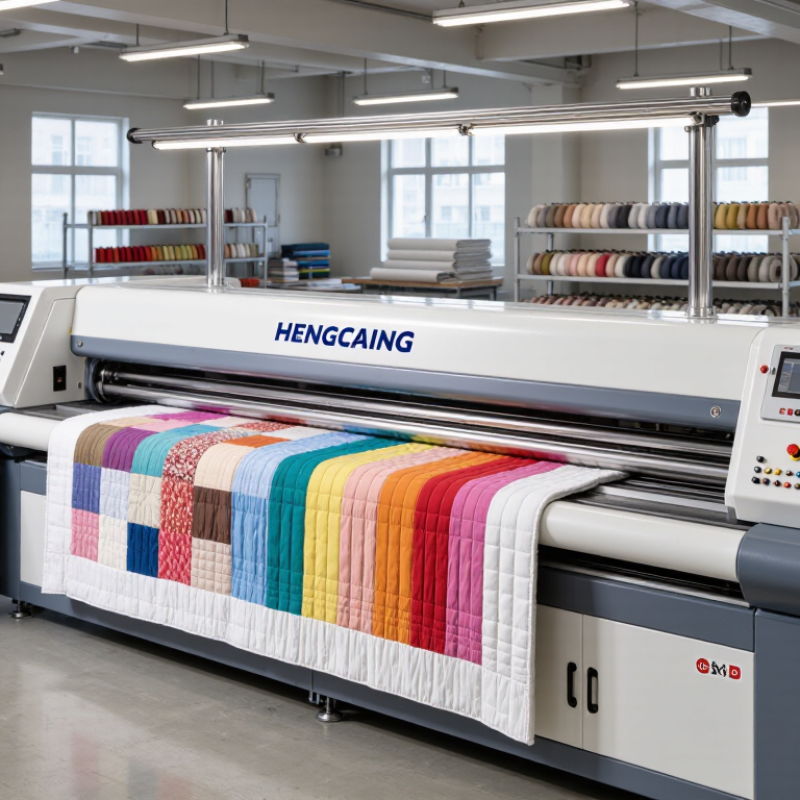
Choosing a Hengchang Quilting Machine should begin with the work it must perform, not a promise on a brochure. Quilting shops need steady stitch quality, manageable changeovers, and equipment suited to their fabric, batting, and production volume. Small details matter: how easily an operator reaches the bobbin, whether a bulky quilt clears the throat, and how consistent seams look across a long run. That is practical evidence. It is more useful than broad claims about speed or productivity.
Industry reports offer context, but not a brand verdict. The International Textile Manufacturers Federation’s Global Textile Industry Survey tracks indicators such as order intake and capacity utilization. The U.S. Census Bureau’s Annual Survey of Manufactures provides data on manufacturing shipments and operating costs. These sources help explain why reliable output and sensible running costs matter. They do not test or rank Hengchang machines. A buyer should therefore confirm the exact model’s documented speed, workspace, compatible materials, service terms, and available training before comparing quotes. Ask for a demonstration using fabric similar to your own. Watch the stitch formation, listen for unusual vibration, and check how adjustments are made. A neat brochure cannot settle it. Neither can one short demo. The right choice depends on the operator, workload, and support available after installation. Some details may still be uncertain until the machine is tested on real jobs. That is worth admitting. A careful evaluation makes the Hengchang Quilting Machine a more informed choice, rather than simply a confident-sounding one.
Why Choose a Quilting Machine?
A quilting machine is designed to stitch through a quilt top, batting, and backing in one controlled pass. Its purpose is more specific than that of a general sewing machine: it helps keep multiple fabric layers moving evenly while forming consistent lines or patterns. A larger work area can make bulky quilts easier to guide. The needle, presser foot, and feed system also need to work together, especially when stitching dense layers. Small details matter.
Machine design affects comfort and results. A stable frame can reduce unwanted movement, while adjustable speed gives the operator more control around corners and curves. Some machines support free-motion work; others are better suited to guided or repeatable patterns. Features vary, so check the throat space, compatible needles, and maintenance requirements before choosing. A capable machine still needs careful setup. Tension can take time to tune, and uneven fabric feeding may show up after several rows. That part is easy to underestimate.
Tips: Test your thread tension on a layered fabric sample. Check the stitches from both sides, and adjust one setting at a time. Keep the quilt supported; pulling it can distort the seams.
A quilting machine’s value lies in how smoothly its key systems work together. Stitch regulation can help keep stitch length consistent as fabric moves beneath the needle. Needle-position controls make it easier to stop with the needle up or down, which matters when turning a quilt sandwich. Tension settings also deserve attention: balanced stitches should sit neatly on both sides without puckering the fabric. Small details matter.
Frame stability and clear controls affect daily work just as much as electronic features. A rigid frame can reduce unwanted movement, while an accessible display helps operators adjust speed or stitch settings without losing their place. Before choosing a machine, test it with layers similar to your own projects; thin cotton and a thick batting stack can behave very differently. Listen for unusual vibration, inspect the stitch formation, and check how easily the machine handles curves. Automation helps, but it cannot correct poor loading or unsuitable tension. That part takes practice. Even capable equipment may need adjustment as materials change, so maintenance guidance and available technical support should be part of the decision.
A typical quilt sandwich has three components: a quilt top, batting, and backing. Quilting machines stitch through these layers to hold them together.
Machine performance matters because quilting projects vary in size, thickness, and stitch detail. A small wall hanging needs nimble handling; a bed quilt needs steady feeding and room to move fabric. The Quilting in America 2017 study estimated the U.S. quilting industry at $4.2 billion, reflecting a broad community with varied project needs. That figure describes market activity, not machine capability. Still, it underlines why flexibility matters. Adjustable speed helps beginners guide curved seams, while consistent stitch formation supports long rows across layered batting. A generous throat space can reduce bunching on larger quilts, though it cannot replace careful fabric handling. Faster is not always better. Even an experienced quilter may need to test tension again when changing thread or batting.
Tips: Sew a sample sandwich using the same top fabric, batting, backing, and thread as your project. Check stitch balance on both sides, then adjust speed and tension before quilting the full piece. Keep notes; the first setting may not be the best one.
Operating a quilting machine well begins with a stable quilt sandwich and a brief test stitch. Check that the fabric layers feed evenly, then adjust thread tension in small increments. A balanced stitch should look similar on both sides, without loops or puckering. Test before committing. Use a scrap with the same batting and fabric; a different thickness can change the result. Keep notes on needle size, thread, tension, and speed so successful settings are easier to repeat.
Maintenance protects stitch quality. Switch off the machine before clearing lint around the bobbin case, and follow the manual for oiling and service intervals. A small brush and a clean, dry work surface help prevent debris from affecting movement. Small checks prevent rework. Customization works best through controlled trials: change one setting at a time, such as stitch length, speed, or quilting pattern, and inspect the result under good light. Textile Exchange’s 2024 Materials Market Report estimates global fiber production reached 124 million tonnes in 2023. That scale makes careful material use worthwhile, though a test scrap can never perfectly predict every full-size quilt. Keep that limitation in mind.
Choosing a quilting machine starts with the projects you expect to make. Measure your largest quilt top, then compare it with the machine’s throat space and frame length. More room can make wide patterns easier to handle, but a long frame may overwhelm a small sewing room. Space matters. Check the machine’s footprint before ordering, including clearance for loading fabric.
Stitch regulation, speed control, and needle visibility affect daily use. If you are new to long-arm quilting, test whether the controls feel clear and reachable. Ask how the machine handles different fabrics and batting thicknesses. A smooth stitch on a sample sandwich is useful evidence; a specification sheet alone is not. Try curves and straight lines, too.
Also consider setup, maintenance, training, and access to replacement parts. Confirm what comes with the machine, such as a frame, tools, or instructional support. Service details can vary by seller, so get them in writing. It is tempting to choose the fastest model, but speed may matter less than steady control and comfortable handling. One detail is easy to miss: check whether the machine’s height suits your working posture. A few minutes spent testing can reveal awkward controls or vibration that photos cannot show.
| Factor | What to Assess | Why It Matters | Practical Questions |
|---|---|---|---|
| Quilting space and throat clearance | Measure the space between the needle and the machine body, and check the available work area. | More clearance makes it easier to manage bulky quilts, especially for larger projects and detailed designs. | Will the largest quilt you plan to make fit comfortably? Is there enough room to move and position the quilt? |
| Machine format | Compare domestic machines, sit-down longarms, and frame-mounted longarms. | Each format supports a different workflow: domestic machines are compact, while longarm systems provide more room for larger quilts. | Do you prefer moving the quilt under the machine, or moving the machine over a quilt held on a frame? |
| Stitch regulation | Check whether the machine offers stitch regulation and how its regulated and manual modes operate. | Stitch regulation can help maintain more consistent stitch length as sewing speed changes, though results depend on setup and technique. | Can you test the feature at different speeds? Is the control straightforward for your preferred quilting style? |
| Speed control | Review the speed range, foot pedal or handle controls, and whether the machine offers adjustable speed settings. | Responsive speed control helps quilters work at a comfortable pace and handle curves, corners, and detailed patterns. | Can the machine sew slowly and steadily for precision work as well as faster for open designs? |
| Frame size and workspace | Check the frame dimensions, room clearance, loading method, and space needed around the equipment. | A frame must fit the available room and allow safe access for loading, quilting, maintenance, and movement. | Have you measured doorways, ceiling height, and the intended workspace before choosing a frame? |
| Needle, thread, and fabric compatibility | Confirm the recommended needle system, thread types, fabric range, and setup guidance in the machine documentation. | Suitable combinations and correct tension help reduce skipped stitches, thread breaks, and uneven results. | Does the machine support the materials and thread weights you expect to use? |
| Lighting and visibility | Look for clear illumination around the needle area and an unobstructed view of the quilting surface. | Good visibility helps with accurate stitching, thread changes, and working on detailed patterns. | Is the needle area well lit from your normal working position? |
| Controls and ergonomics | Try the handle position, display or controls, pedal response, and access to common adjustments. | Comfortable controls can make longer quilting sessions easier and reduce unnecessary reaching. | Can you reach the main controls and maintain a comfortable posture while quilting? |
| Maintenance and support | Review cleaning and lubrication instructions, replacement-part availability, warranty terms, and service options. | Routine care and accessible support help keep a machine operating reliably over time. | Are maintenance instructions clear, and is qualified service available in your area? |
| Total ownership cost | Include the machine, frame, accessories, delivery, setup, training, maintenance, and any required workspace changes. | The purchase price alone may not reflect the full investment needed to start quilting. | Does the full setup fit your budget, including essential accessories and future upkeep? |