#4 – 20133 102nd Avenue, Langley, B.C. V1M 4B4 Canada

#4 – 20133 102nd Avenue, Langley, B.C. V1M 4B4 Canada
Choosing the right production tool can shape quality, speed, and customer trust. An Engraving Laser Machine offers precise marking across wood, acrylic, leather, coated metals, glass, and other approved materials. Its focused beam creates clean lines, readable text, and detailed patterns. A small nameplate can show the difference: sharp corners, consistent spacing, and fewer manual corrections.
The practical value becomes clearer in daily work. Digital designs can move from software to finished products with repeatable settings. Operators can adjust power, speed, and focus for each material. This reduces guesswork, although it does not remove it completely. Every surface reacts differently. Even two wood sheets may produce different shades or smoke levels. Careful testing remains necessary.
Experienced users also consider ventilation, lens cleaning, alignment, and emergency procedures. These details protect equipment and support safer operation. They also help businesses follow local workplace and environmental requirements. Reliable manufacturers provide specifications, training resources, and realistic performance guidance. Independent reviews and sample testing can strengthen purchasing decisions. A lower price is not always a lower cost. Maintenance, software limits, consumables, and operator time matter too.
An Engraving Laser Machine may suit workshops, retailers, schools, and custom-product businesses. It can support personalization without requiring a large production line. The best choice depends on material compatibility, workspace, budget, and expected workload. Start with a clear sample. Measure the result. Improve the process. That is where the machine’s real value becomes visible.
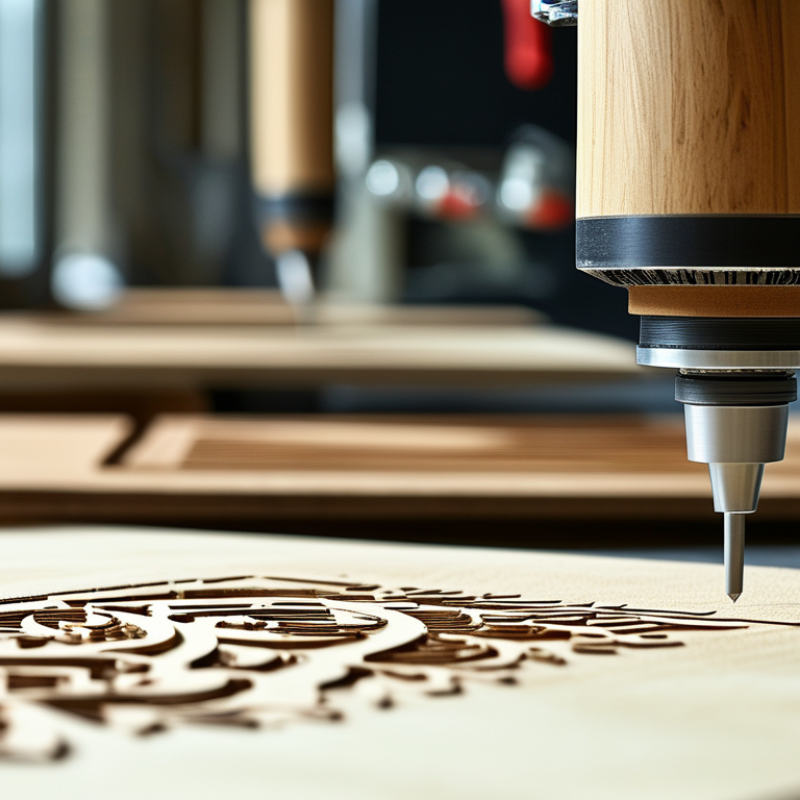
What Is an Engraving Laser Machine?
An engraving laser machine uses a focused light beam to remove, discolor, or modify a material’s surface. A controller guides the beam along programmed paths. The result can be text, serial numbers, patterns, or shallow grooves. Unlike a mechanical cutter, it usually works without physical contact. That means fewer tool marks and less pressure on thin parts.
In practical workshops, the machine combines a laser source, focusing lens, motion system, software, and extraction equipment. The material still matters. Wood may darken, metal may need marking spray, and some plastics can release harmful fumes. Operators must check material safety data before testing. The International Organization for Standardization describes laser-related measurement terms in ISO 11145:2018, supporting consistent technical communication. This detail is easy to overlook.
Industry demand also shows why the equipment attracts attention. MarketsandMarkets estimated the global laser marking market at about USD 3.1 billion in 2023. Its report projected growth to roughly USD 5.3 billion by 2028. These figures include several marking technologies, not only engraving machines. That distinction matters. A market report is useful, but it cannot predict every workshop’s results.
An engraving laser machine can produce repeatable detail on signs, tools, panels, and components. Yet accuracy depends on focus, speed, power, material, and operator experience. Higher power is not automatically better. Sometimes, it simply creates excessive heat and a rough edge. Testing a small sample remains the most reliable step.
| Data Dimension | What It Means | Typical Information | Why It Matters |
|---|---|---|---|
| Basic Definition | A computer-controlled machine that uses a focused laser beam to remove, discolor, or modify the surface of a material. | Common processes include surface marking, shallow engraving, deep engraving, and cutting. | It provides repeatable results without physical contact between the tool and the workpiece. |
| Laser Source | The laser type determines which materials absorb the beam efficiently. | CO₂: commonly around 9.3–10.6 µm; Fiber: commonly around 1,064 nm; Diode: commonly around 445–455 nm. | Matching the wavelength to the material improves marking quality and process efficiency. |
| Suitable Materials | Different laser sources are suited to different material groups. | Wood, paper, acrylic, leather, glass, coated materials, plastics, and many metals can be processed when the laser source and settings are appropriate. | Material compatibility helps prevent poor contrast, melting, cracking, or unwanted fumes. |
| Engraving Depth | The amount of material removed from the surface. | Surface marking may change appearance with minimal material removal; deeper engraving requires multiple passes or higher process energy. | Depth affects appearance, tactile feel, processing time, and dimensional accuracy. |
| Working Area | The maximum surface size that can be processed in one setup. | Available areas vary widely, from compact desktop formats to large-bed systems. | A suitable work area reduces repositioning and supports the size of the intended products. |
| Accuracy and Repeatability | The machine’s ability to reproduce the same design and position consistently. | Performance depends on the motion system, focusing method, calibration, material flatness, and software settings. | Consistent positioning is valuable for logos, serial numbers, patterns, and batch production. |
| Non-Contact Processing | The beam processes the surface without a cutting blade or engraving bit touching it. | There is no cutting-tool edge to sharpen or replace during normal operation. | This can reduce tool wear, mechanical pressure, and deformation of delicate parts. |
| Software and File Support | Design software converts artwork or text into machine movement and laser instructions. | Common workflows use vector files for outlines and raster images for shaded or photographic engraving. | Flexible file handling makes it easier to create text, graphics, barcodes, and variable data. |
| Production Efficiency | The amount of work completed within a given time. | Throughput is influenced by laser power, scan speed, image resolution, engraving depth, and the number of passes. | Optimized settings can shorten processing time while maintaining contrast and detail. |
| Customization Capability | The ability to produce different designs without making a physical tool for each pattern. | Text, graphics, numbering, QR codes, names, and variable designs can be changed digitally. | It supports personalization, short runs, prototypes, and on-demand production. |
| Safety Requirements | Laser engraving requires controls that limit exposure to the beam and manage processing by-products. | Appropriate guarding, ventilation or fume extraction, eye protection where required, fire precautions, and trained operation are important. | Safety controls protect operators and help maintain a suitable working environment. |
| Best-Fit Applications | Typical uses for laser engraving technology. | Signage, gifts, product identification, decorative panels, packaging, craft products, industrial traceability, and prototype work. | The technology is useful when clean detail, digital flexibility, and repeatable personalization are priorities. |
Note: Actual engraving results depend on the laser source, optical configuration, material composition, surface finish, power, speed, focus, and ventilation conditions. Material testing is recommended before production.
Why Choose an Engraving Laser Machine?
How Does an Engraving Laser Machine Work?
An engraving laser machine directs concentrated light onto a material’s surface. A power source creates the laser beam, while mirrors or a moving head guide it. A focusing lens narrows the beam to a tiny point. That point delivers controlled heat.
The material absorbs the energy and changes in a precise area. Wood may darken or vaporize. Acrylic can melt slightly, leaving a smooth mark. Metal usually needs suitable power, wavelength, or a marking compound. The control software converts artwork into movement and power instructions. The machine then repeats these paths line by line. Small errors still matter. Focus, speed, and ventilation can change the final result.
Tips: Test settings on a sample first. Keep the lens clean. Measure the material thickness carefully. Use suitable extraction for smoke and particles. Never leave an operating machine unattended. In my experience, beginners often increase power when the mark looks weak. That can cause scorching instead of clarity. Slowing the movement may work better, but every material reacts differently. Record successful settings for future jobs. Safety glasses alone may not protect against every laser wavelength, so follow the machine’s technical guidance and workplace safety requirements.
An engraving laser can mark wood, acrylic, paper, leather, fabric, glass, and coated metals. It can cut thin plywood, cardboard, felt, and many acrylic sheets. Stainless steel usually needs marking spray or a suitable fiber laser. Bare aluminum may require specialized settings or coating.
Material thickness matters more than many beginners expect. A 40-watt CO2 laser may cut 3 mm plywood cleanly, but dense wood can char or resist the beam. Acrylic edges can appear polished, while wood edges may become dark and smoky.
According to Fortune Business Insights’ 2024 Laser Cutting Machine Market report, the global market reached about USD 6.83 billion in 2023. This growth reflects wider use in signage, packaging, furniture, and small-batch production.
Still, market growth does not guarantee easy results. I have seen identical sheets produce different finishes because of moisture, glue, or surface coatings.
Tips: Test a small corner first. Record power, speed, and passes. Avoid PVC and unknown plastics, because harmful fumes may form. Check the supplier’s safety data sheet before processing coated materials. Ventilation and approved filtration are essential. Clean lenses also improve consistency. My own mistake was trusting a material label too quickly; a second test would have prevented wasted stock. Never leave a laser running unattended.
Why Choose an Engraving Laser Machine?
What Advantages Does Laser Engraving Offer?
Laser engraving offers sharp, repeatable results without physical contact. A focused beam marks wood, acrylic, leather, coated metal, and other suitable materials. It can reproduce small letters, fine patterns, and changing serial details with strong consistency. This matters when handmade finishing becomes slow or uneven. In practical workshop tests, a well-adjusted laser produced clean edges on a wooden tag and readable text on an anodized surface. The process also reduces tool wear because no cutting bit touches the workpiece. Less contact means fewer scratches and less pressure damage.
The first test is rarely perfect. Material density, surface color, focus, speed, and power all affect the result. Some surfaces may scorch, melt, or show weak contrast. That limitation deserves honest attention. Laser engraving is precise, but it is not automatic perfection.
Tips: Test on scrap material first. Keep the lens clean. Confirm the focal distance before production. Use suitable ventilation and follow the machine’s safety guidance. Record successful settings for repeat work. A simple test grid often reveals more than guessing.
Laser engraving offers non-contact processing, high repeatability, and permanent marking without physical tools. Different laser sources are selected according to the material and marking application.
The chart shows representative wavelengths used in industrial laser engraving: CO₂ lasers commonly operate at 10,600 nm, fiber lasers at 1,064 nm, and ultraviolet lasers at 355 nm. The wavelength influences how effectively the laser interacts with metals, plastics, glass, wood, and other materials.
Choosing an engraving laser machine starts with the materials you handle most often. Wood, acrylic, coated metal, glass, and leather each respond differently to laser energy. A machine designed for one material may perform poorly on another. Check the laser type, power range, spot size, and working area before comparing prices. Small details matter.
Think about your daily workflow. A 300 × 200 millimeter bed may suit nameplates and small gifts, but larger signs need more space. Confirm whether the machine supports vector files, image engraving, and adjustable speed settings. A stable frame reduces vibration around fine letters. That matters.
Safety should never be treated as an optional feature. Look for an enclosed design, an interlock system, ventilation compatibility, and dependable emergency controls. Smoke extraction protects the operator and keeps lenses cleaner. In practical testing, dirty optics can cause uneven marks and wasted material. I have also seen beginners choose excessive power, then scorch edges that looked perfect on screen. Lower power and slower testing often produce better results, though this is not always true.
Consider maintenance, training, spare parts, and technical support before purchase. A cheaper machine can become expensive when alignment drifts or cooling requires frequent attention. Ask for sample settings and test them on your own material. Do not trust one demonstration piece. Real work includes warped wood, changing humidity, and imperfect focus. A careful buyer leaves room for those problems.