#4 – 20133 102nd Avenue, Langley, B.C. V1M 4B4 Canada

#4 – 20133 102nd Avenue, Langley, B.C. V1M 4B4 Canada
For global buyers, mold manufacturing is not simply a matter of choosing steel and requesting a quotation. It is a controlled engineering process involving design, tooling, materials, testing, documentation, and delivery risk. A mold may look precise on a supplier’s website, yet small weaknesses can appear during sampling, such as uneven cooling, short shots, flash, or difficult ejection.
Dr. John Beaumont, an injection-molding specialist and author, has stated, “The mold is the heart of the injection molding process.” This principle deserves practical attention. The mold determines cycle time, part consistency, maintenance demands, and production stability. Buyers should examine the supplier’s design review process, machining capability, steel certificates, tolerance control, trial reports, and after-sales support. Photos are useful, but they are not proof.
This guide presents ten mold manufacturing tips for international purchasing teams. It addresses supplier evaluation, DFM communication, cavity balance, cooling layout, surface finish, inspection records, trial approval, spare parts, shipping protection, and long-term maintenance. It also considers total cost, not only the initial tooling price. A low quotation can hide expensive corrections later.
Mistakes still happen.
Even experienced buyers may overlook vent depth or mold-release limitations. Some projects also fail because technical assumptions remain undocumented between countries. These risks cannot disappear completely. However, clear drawings, measurable acceptance criteria, and staged inspections can reduce them. The recommendations ahead are practical rather than perfect, because every product, resin, production volume, and market creates different tooling demands.
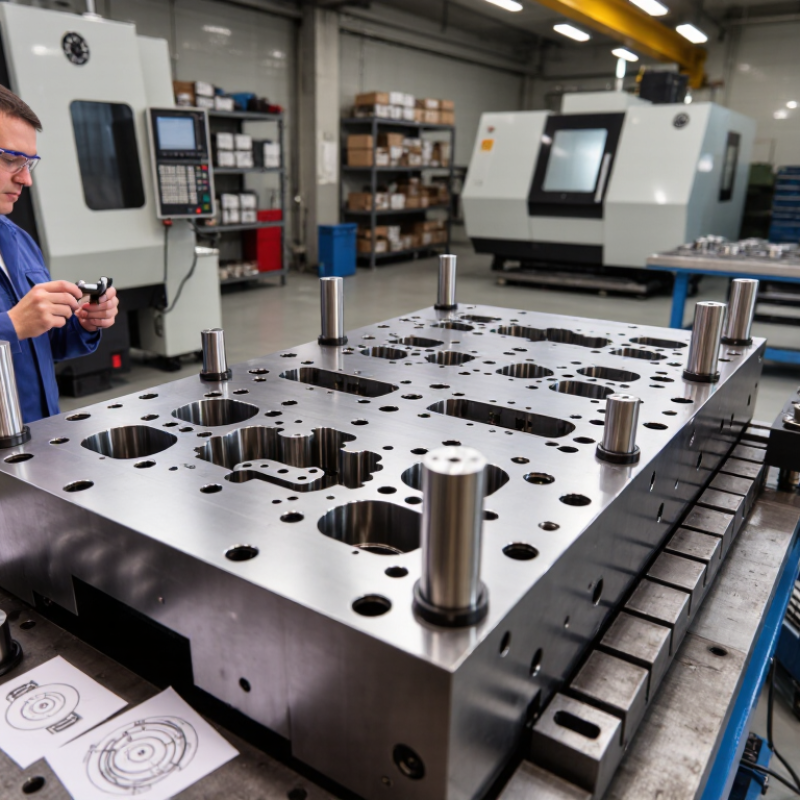
Global buyers often focus on price before defining the product clearly. That approach creates expensive revisions later. Start with the part’s function, material, dimensions, expected service life, and yearly volume. Specify resin grade, color, shrinkage data, and visible surface areas. A 0.1 mm tolerance may be unnecessary for one feature but critical for another. Clarify both.
A useful mold specification should describe cavity quantity, steel grade, gate position, cooling layout, ejection method, and target cycle time. Include a 2D drawing and a verified 3D model. Mark critical dimensions directly on the drawing. Ask the supplier to review draft angles, wall thickness, undercuts, and weld-line risks before machining. Small details matter. A 0.2 mm wall change can affect filling and cooling.
In projects I have reviewed, buyers sometimes request a mirror finish without defining the inspection standard. That leaves room for disagreement. Describe texture, gloss expectations, parting-line limits, and acceptable cosmetic marks with sample images. Also define trial-shot requirements, inspection reports, spare components, and revision control. Perfect specifications are rare. I have seen experienced teams overlook packaging space around the finished mold. That mistake delayed transport and installation. Leave room for technical questions, because a confident assumption can be more costly than an honest correction.
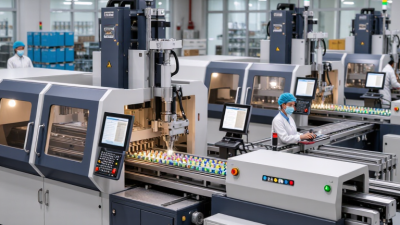
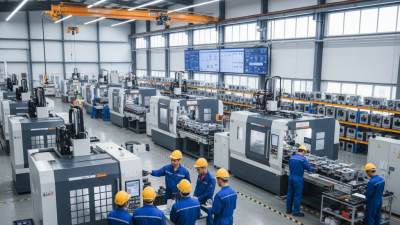
A reliable mold maker should provide more than polished photographs and a low quotation. Global buyers need evidence of real production experience. Ask for trial reports, dimensional inspection records, and examples of similar molds. Review the workshop, not only the sales office. Check machining equipment, surface finishing areas, maintenance routines, and quality controls. A clean process matters when delivery schedules cross time zones.
Material selection deserves equal attention. The mold steel should match production volume, resin behavior, cooling demands, and expected surface quality. Hardened steel may suit long runs, while pre-hardened steel can reduce initial cost for moderate output. Ask how the maker controls steel certificates, heat treatment, corrosion protection, and spare inserts. Small details matter. A poorly designed cooling channel can create warpage, longer cycles, and repeated production losses.
Manufacturing capability must be tested against your actual part, not a generic brochure. Discuss draft angles, wall thickness, weld lines, venting, tolerances, and mold-flow risks before cutting steel. Request a design review with clear revision records. Communication should include drawings, inspection data, packing standards, and response times. A perfect audit sheet proves little by itself. An honest maker should identify limitations, explain possible delays, and suggest practical changes. Buyers should also question their own specifications; some tolerances may be unnecessarily strict and expensive. That uncomfortable review can prevent costly rework later.
Validate the design with realistic production conditions. Test resin flow, cooling balance, cycle time, and expected tooling life. A prototype can reveal assembly problems that drawings hide. However, prototypes may use different materials or processes. Treat their results carefully. They are evidence, not absolute proof.
Define quality standards before sampling begins. Specify critical dimensions, surface requirements, inspection methods, and acceptable cosmetic limits. Use measurable tolerances instead of vague terms like “premium finish.” Request first-article reports, dimensional data, and sample approval records. Independent inspection can strengthen confidence, especially when communication is difficult. Still, inspection alone cannot fix a weak design. That lesson is easy to overlook.
Plan mold trials with documented conditions. Record machine settings, resin batch details, cycle times, and sample photos. Compare results against approved criteria, not personal preference. Allow room for correction. Real production sometimes exposes issues missed during validation, and honest reporting helps prevent repeated defects.
10 Mold Manufacturing Tips for Global Buyers?
Control the landed cost, not only the mold quotation. Request steel grade, cavity count, tolerance, surface finish, testing, packaging, and spare parts in writing. Confirm whether sampling and design changes are included. A low quote can still become expensive after rework. Use a drawing review to identify thin walls, difficult ejection, and unnecessary polishing. Agree on measurable acceptance criteria before production starts. Approve a trial sample with documented dimensions and photographs. Add realistic schedule buffers for steel availability, machining, sampling, and corrections. In practice, rushed approvals often create longer delays.
Shipping needs equal attention. The World Bank’s Logistics Performance Index 2023 reported a median 44-day gap between export and import milestones. Choose transport by risk, not habit. Air freight may protect a launch date, while sea freight usually reduces cost. Compare Incoterms, insurance, port charges, and destination handling. Use moisture barriers, shock protection, and clear crate labels. Confirm the mold’s weight and lifting points before dispatch. One overlooked measurement can cause warehouse delays.
Import preparation should begin before shipment. Verify the correct HS classification, commercial invoice, packing list, country of origin, and any required certificates with a qualified customs broker. OECD’s 2022 Trade Facilitation Indicators report estimated that stronger border procedures could reduce trade costs by up to 14.3% on average. Keep material certificates and inspection records together. Do not assume the supplier knows your customs process. That assumption is convenient, but often wrong. Recheck every document against the final mold specification.
10 Mold Manufacturing Tips for Global Buyers
Protecting Intellectual Property and Building Supplier Partnerships
A mold project often begins with a sensitive CAD file, not a purchase order. Share only the drawings needed for each production stage. Mark revision numbers, material grades, and tolerance zones clearly. Keep a written record of every file transfer. Simple controls prevent expensive confusion.
Use a confidentiality agreement reviewed for the countries involved. Define who owns the mold, inserts, samples, and engineering changes. Ask where digital files are stored and who can access them. Physical details matter too. During a factory visit, check locked tool rooms, visitor logs, and camera coverage. Do not rely on promises alone. I once overlooked revision control, and a minor cavity change delayed sampling by two weeks. That mistake still shapes my checklists.
Strong partnerships grow through measurable habits. Start with a small pilot order before approving full production. Discuss maintenance intervals, spare inserts, repair approval, and storage conditions. Request inspection reports with cavity dimensions, steel certificates, and trial-shot photos. Use a shared change-control form for every adjustment. It should show the reason, approver, date, and affected parts. Review delivery performance and defect trends monthly, without hiding uncomfortable results. A supplier may be skilled but overloaded. Ask direct questions about machine capacity and subcontracted processes. Keep communication respectful, but verify critical claims with records and samples. Have qualified local counsel review contracts, ownership terms, and dispute procedures before signing.