#4 – 20133 102nd Avenue, Langley, B.C. V1M 4B4 Canada
#4 – 20133 102nd Avenue, Langley, B.C. V1M 4B4 Canada
Choosing rapid prototyping injection molding in 2026 means balancing speed, part quality, tooling cost, and the next steps after testing. The process can produce realistic plastic parts for fit checks, functional trials, and early customer feedback. It is especially useful when a printed prototype cannot reveal how a molded part behaves under load or around clips, ribs, and thin walls.
But a fast quote does not guarantee a useful result. A low tooling price may exclude design support, sample revisions, or clear inspection records. That matters. Before selecting a supplier, compare the quoted lead time, mold construction, production volume, and ownership terms. Ask how the team handles draft angles, gate location, and expected tolerances. These details affect surface marks, filling, and assembly fit.
Material choice deserves equal care. A resin that looks right on a screen may feel too flexible in your hand or fail a heat test. Request data sheets, confirm the intended test conditions, and review molded samples before approving a larger run. Check whether the supplier can document dimensions and identify the measurement method. A drawing alone may not settle every question; real parts can expose assumptions that seemed reasonable. Not always. This guide explains how to assess process fit, supplier capability, and project risk, so you can choose a molding route that supports reliable decisions—not merely a quick first batch.
Define the project before requesting a tool quote. Record the resin grade, target quantity, part dimensions, wall thickness, and critical tolerances. Include the intended use: a visual review, assembly check, or functional test. A 0.2-millimeter shift may matter at a snap-fit, but not on a hidden cover. Details matter.
Specify surface finish, color, gate location, and acceptable witness marks. Share the CAD model and identify features that may change after testing. Grand View Research estimated the global injection-molded plastics market at USD 330.2 billion in 2023, with a projected 4.8% compound annual growth rate through 2030. That broad market figure signals scale, not a guaranteed project outcome. It cannot tell you whether a prototype mold is economical for your run.
Compare the expected shot count with tooling cost, lead time, and revision risk. Ask whether the quote includes mold trials, sample inspection, and changes to the tool. Not just appearance. For example, a thin rib that fills inconsistently can distort a test result, even when the part looks acceptable. Define pass-or-fail checks before production, such as fit against a mating component or a measured dimension. Some requirements may still be uncertain; mark them clearly rather than treating an early assumption as final.
Use the expected load and operating conditions to narrow your material options before requesting a molding quote. These indicative ranges vary by grade, additives, and test method; confirm the properties of the specific resin with its datasheet.
In 2026, choose a molding material by matching its performance to the part’s real job. ABS is often practical for sturdy housings, while polypropylene suits flexible parts and living hinges. For heat exposure, consider a suitable engineering resin and check its processing requirements. Ask for data on shrinkage, impact strength, and temperature limits—not just a familiar material name. Small details matter.
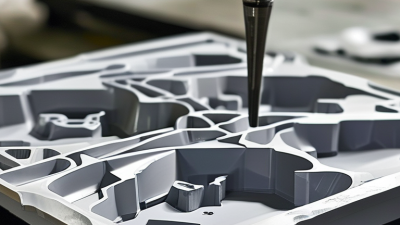
Mold type affects cost, lead time, and repeatability. Aluminum tooling can be quicker to machine and useful for short runs, but it may wear sooner than hardened steel. Steel tooling can make sense for higher volumes or demanding materials, though its upfront cost is usually higher. Replaceable inserts can simplify design changes around features such as a screw boss. That trade-off is real.
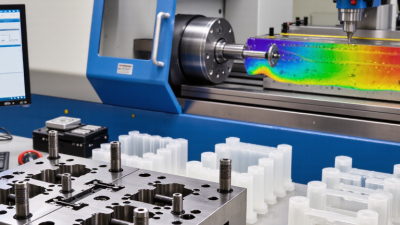
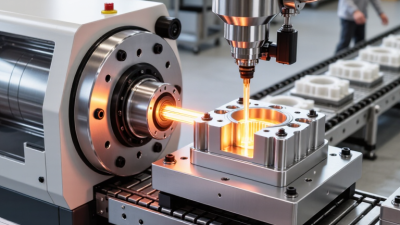
The manufacturing process matters too. CNC-machined molds are common for accurate prototypes; simpler tooling may work for basic geometry and limited quantities. Compare quotes by checking what each includes: mold design, trial shots, dimensional inspection, and permitted revisions. During sampling, inspect the part for flash, sink marks, and fit around mating components. A sample can look fine on the bench yet fail during assembly. I would not treat one approved shot as proof of stable production; process settings and resin batches can vary, so confirm critical dimensions across multiple parts.
Evaluate a supplier’s experience with your part geometry and resin, not just its years in business. Ask how the team handles thin walls, draft angles, shrinkage, and gate placement. A capable engineer should explain trade-offs in plain terms and flag changes that could improve filling or reduce warping. Ask for a relevant, non-confidential example. Vague promises are a warning sign. Ask for specifics.
Equipment should match the part and production plan. Check whether the available press has suitable clamping force, injection capacity, and shot size. Confirm that resin dryers, temperature controllers, and mold-monitoring tools are maintained and available. Also ask how machine scheduling works; a capable shop can still miss a target if its presses are booked. That matters.
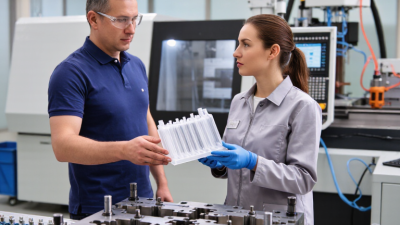
Quality controls need to be clear before the first shot. Request a first-article inspection with measurements for critical dimensions, plus a plan for checks during the run. Ask how resin lots, machine settings, and approved design changes are recorded. For tight-fitting features, find out whether the supplier uses calibrated gauges or coordinate measurement equipment. I would not treat a polished report as certainty: one good sample can hide process drift. Agree on what happens when a measurement falls outside tolerance.
How to Choose Rapid Prototyping Injection Molding in 2026?
Assess Lead Times, Total Costs, and Production Risks
A fast mold can shorten the path from CAD file to usable parts, but quoted lead time is only one piece of the schedule. Ask when design review, tool fabrication, sampling, and revisions are included. A first sample may arrive quickly and still need changes to gates, cooling, or part fit. That matters. Confirm how many sample rounds the estimate covers and what happens if dimensions drift. A realistic schedule should include approval time on your side, not just shop-floor work.
Compare total costs, not only the mold price. Include engineering, material, shipping, inspection, and any charges for tool changes. Then compare those costs with expected part volume and the cost of waiting for production. A simple aluminum tool may suit a short run, while a more durable tool may make sense for repeated orders. But forecasts are imperfect. If demand changes, the cheapest starting option may become expensive later.
Tips: Send a stable 3D model, target quantities, resin requirements, and critical dimensions with your inquiry. Ask for a written timeline with sample dates and revision terms. Request inspection data for key features, such as wall thickness or hole spacing. Also ask how the supplier will flag risks like warping or sink marks before cutting steel. Small details can prevent costly surprises.
Validate Prototype Parts Before Scaling Up Production
Rapid prototyping injection molding can reveal problems that a screen model cannot. Use it to check fit, handling, and performance with parts made from production-relevant materials. Before ordering, confirm the supplier understands your part geometry, expected quantity, and validation goals. Ask how tooling changes are handled, too. A low initial quote may not include revisions or dimensional inspection. Small details matter.
Tips: Test parts in the assembly they will actually enter. Measure critical features, such as snap-fit gaps and hole positions, with suitable tools. Record the material, process settings, and inspection results for each sample. Keep a few parts untouched for later comparison.
Treat prototype results as evidence, not a guarantee of full-scale performance. Check for warping, sink marks, flash, and inconsistent fit across multiple samples. If a part fails, adjust one variable at a time where practical, then mold and test again. That takes patience. It can also prevent costly surprises when production volume rises. Be clear about what “validated” means for your product: a successful fit test does not prove durability, and one good sample may not represent a whole batch. Review the data with your engineering and manufacturing teams before committing to larger runs.