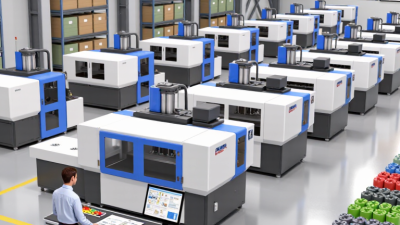
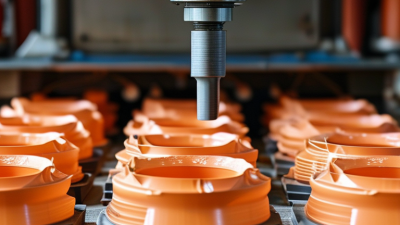
| Injection Molding Process Range |
Does the manufacturer operate machines suitable for the required part size, material, and annual volume? |
Machine capacity should cover the required clamping force with a reasonable margin; confirm the available range in tons, shot size, platen dimensions, and injection speed. |
Current machine list, equipment specifications, production photos, and sample parts made on comparable equipment. |
15% |
| Material Experience |
Can the supplier process the required resin and manage its drying, storage, and traceability requirements? |
Documented experience with the specified resin family, including engineering plastics, flame-retardant grades, glass-filled materials, or recycled-content grades where applicable. |
Material approval records, resin certificates, drying procedures, lot-traceability samples, and comparable project references without confidential customer information. |
10% |
| Quality Management System |
Is there a repeatable system for inspection, nonconformance control, corrective action, and document management? |
An active ISO 9001-based quality system is a strong baseline for general industrial production; regulated sectors may require additional standards. |
Valid certificate, scope of certification, recent audit summary, inspection procedures, and sample corrective-action report. |
12% |
| Dimensional Inspection Capability |
Can the supplier measure critical dimensions using calibrated equipment and an agreed sampling plan? |
Capability should match the drawing requirements; common equipment includes calipers, micrometers, height gauges, optical systems, and coordinate-measuring machines. |
Equipment calibration records, measurement-system studies where required, inspection reports, and capability data for critical characteristics. |
12% |
| Tooling and Mold Management |
Can the manufacturer support mold design, mold trials, maintenance, repairs, and spare-part control? |
The supplier should define mold ownership, preventive-maintenance intervals, expected tool life, repair responsibility, and storage conditions before production approval. |
Tooling quotation, mold-flow or design-review process, maintenance log template, trial report, and written ownership terms. |
12% |
| Production Capacity and Scalability |
Can the supplier meet forecast demand without excessive dependence on one machine, shift, or subcontractor? |
Request available capacity by machine group, operating shifts, planned maintenance time, current utilization, and a documented capacity plan for peak demand. |
Capacity model, production schedule, utilization summary, staffing plan, and business-continuity procedure. |
10% |
| Lead-Time Control |
Are tooling, sampling, production, inspection, and shipping lead times clearly separated and supported by planning data? |
A qualified candidate should provide a milestone schedule rather than one combined estimate and should identify assumptions affecting delivery time. |
Sample project timeline, on-time-delivery data, escalation process, and written assumptions for material, tooling, and approvals. |
8% |
| Secondary Operations |
Can the supplier coordinate assembly, ultrasonic welding, pad printing, laser marking, insert installation, or packaging? |
Required secondary processes should be controlled internally or through approved subcontractors with defined inspection and change-control procedures. |
Process flow, subcontractor-control procedure, first-article samples, work instructions, and final inspection records. |
7% |
| Regulatory and Market Requirements |
Can the supplier meet the regulatory, material, labeling, and traceability requirements of the destination market? |
Requirements vary by application; medical, automotive, food-contact, electrical, and safety-related products need sector-specific documentation and controls. |
Material declarations, compliance test reports, restricted-substance records, traceability plan, and applicable industry certificates. |
6% |
| Cost Transparency |
Does the quotation identify tooling, piece price, material, secondary operations, packaging, inspection, freight, and payment assumptions? |
The quotation should show a clear cost breakdown and identify minimum order quantities, price-adjustment conditions, tooling revisions, and expected scrap assumptions. |
Itemized quotation, cost-validity period, volume-price tiers, tooling terms, and written change-order policy. |
5% |
| Communication and Engineering Support |
Can the supplier provide timely technical feedback and manage design-for-manufacturing decisions? |
Look for documented design reviews covering wall thickness, draft, ribs, bosses, gates, weld lines, shrinkage, ejection, and parting-line risks. |
Design-review checklist, sample manufacturability report, response-time commitment, and assigned project-contact structure. |
3% |