#4 – 20133 102nd Avenue, Langley, B.C. V1M 4B4 Canada

#4 – 20133 102nd Avenue, Langley, B.C. V1M 4B4 Canada
Injection molding is behind many everyday products, from medical-device housings to appliance panels and automotive connectors. Its scale is substantial. Grand View Research estimated the global injection-molded plastics market at USD 330.98 billion in 2023, forecasting a 4.7% compound annual growth rate from 2024 to 2030. This market estimate signals demand, not a ranking of manufacturers. It also covers a broad market, so it cannot show which supplier best fits a particular project.
The companies considered among the world’s top injection molding providers differ in more than size. Some serve multiple regions; others focus on precision components, packaging, or specialized materials. A practical comparison looks at production capacity, mold design support, quality systems, material expertise, and delivery reliability. Small details matter. A stable resin supply, controlled cycle times, and consistent part dimensions can determine whether a production run succeeds. Company claims deserve scrutiny, too: global reach does not automatically mean better service, and a long client list says little about performance on a specific tool. This overview weighs public company information and industry context while recognizing that rankings depend on the criteria used. There is no perfect list. Readers should verify capabilities directly before choosing a manufacturing partner.
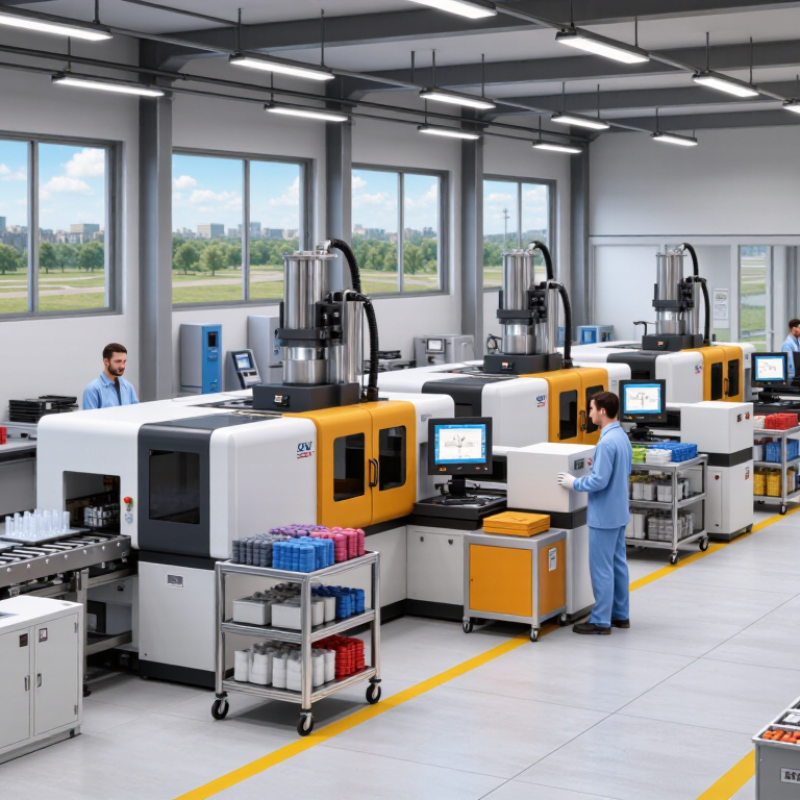
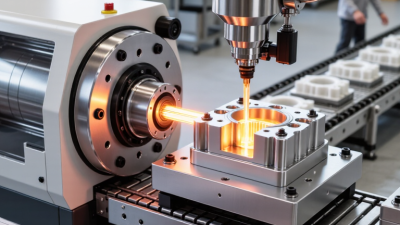
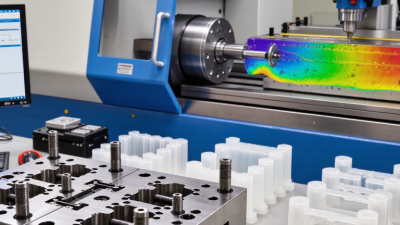
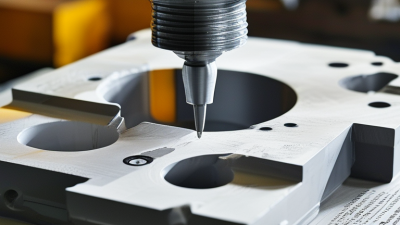
Injection molding companies turn raw plastic into precise, repeatable parts. They begin by reviewing a component’s shape, dimensions, material, and expected use. Engineers then design or refine a mold, often made from machined steel or aluminum. Small details matter. A narrow channel can affect how plastic fills the cavity, while uneven cooling may cause warping.
During production, plastic pellets are heated until they flow, then injected into the closed mold under controlled pressure. The material cools and hardens before the mold opens and ejects the part. Operators monitor temperature, pressure, cycle time, and part appearance. A sample may be checked with measuring tools for dimensions, weight, or surface defects. Some projects also need trimming, assembly, or packaging.
The work is not just running machines. Teams plan production volumes, maintain molds, and adjust settings when parts show sink marks or flash. They also help customers choose materials and simplify designs, since a change to wall thickness can reduce waste or improve strength. Still, no process is perfect. A carefully tuned setting may drift between production runs, so regular inspection remains important. That practical detail is easy to underestimate.
Top Injection Molding Companies Worldwide?
How Global Injection Molding Leaders Are Evaluated
Global injection molding leaders are not judged by size alone. Professional evaluation begins with repeatable part quality, stable cycle times, and clear process records. Reviewers often inspect molded samples, tooling maintenance logs, inspection data, and material traceability. A strong supplier can explain why a defect occurred, not merely repair the visible mark. Factory experience matters, especially when engineers manage tight tolerances, complex geometries, or frequent design changes.
Reliability also depends on communication and delivery control. Evaluators examine production capacity, preventive maintenance, operator training, and response time during disruptions. They should compare total cost, not only the quoted unit price. Energy use, scrap rates, packaging, and tooling repairs can change the final result. A polished facility tour is useful, but it does not prove long-term consistency. No scorecard is perfect. Some assessments still overlook small communication delays that later affect launch schedules.
Tips: Request recent inspection reports and production samples. Ask how the supplier handles an unexpected short shot or warpage issue. Verify whether corrective actions receive documented follow-up. Check references from projects with similar materials and tolerances. When possible, begin with a controlled pilot run. It reveals more than impressive presentations, though even pilot results need careful review.
A practical, evidence-based framework for comparing injection molding suppliers. The proposed weights below are evaluation guidelines, not published company rankings.
| Evaluation Dimension | Proposed Weight | Evidence to Review | What Strong Performance Looks Like |
|---|---|---|---|
| Quality Management | 20% | Current quality-management certificates where applicable; process-control records; inspection plans; nonconformance and corrective-action records. | Documented controls across production, traceable inspection results, and a consistent method for investigating and preventing recurring defects. |
| Manufacturing Capability | 18% | Machine tonnage and shot-capacity ranges; mold dimensions supported; resin-processing experience; production-cell and automation capabilities. | Equipment and process capability that match the part’s material, size, tolerances, expected volume, and tooling requirements. |
| Engineering and Tooling | 15% | Design-for-manufacturing reviews; mold-flow analysis where appropriate; tooling maintenance plans; sample and validation records. | Early identification of molding risks, clear tooling ownership and maintenance arrangements, and a controlled path from design approval to production. |
| Delivery and Capacity | 14% | On-time delivery history; capacity plans; lead-time data; contingency plans for equipment, labor, and material disruptions. | Reliable delivery performance supported by realistic capacity planning and documented recovery arrangements. |
| Cost and Commercial Transparency | 10% | Itemized quotations covering tooling, piece price, packaging, inspection, and other agreed costs; documented assumptions and change-control terms. | Comparable, clearly scoped pricing with transparent treatment of tooling, material changes, order volumes, and engineering revisions. |
| Regulatory and Sector Readiness | 9% | Applicable customer and regulatory requirements; sector-specific quality-system evidence; material declarations and traceability records when required. | Controls and documentation matched to the intended market and product risk. For example, medical-device work may require evaluation of ISO 13485-based systems and applicable regulatory obligations. |
| Supply-Chain Resilience | 8% | Material sourcing and change controls; supplier qualification records; inventory policies; business-continuity and risk-management plans. | Visibility into critical inputs and a documented approach to managing shortages, approved material substitutions, and supplier disruptions. |
| Environmental and Resource Management | 6% | Energy and material-use records; scrap and recycling procedures; environmental-management documentation; relevant customer reporting. | Measured improvement efforts and controlled handling of production scrap, energy use, and environmental requirements relevant to the project. |
How to use this framework: Score each supplier against the same evidence requirements, adjust the weights to fit the project, and verify certificates and performance records directly. A high overall score should not replace checks for technical fit, regulatory compliance, or site-specific capability.
Leading Injection Molding Companies Around the World
Leading injection molding companies compete through precision, speed, and dependable production rather than size alone. Grand View Research estimates the global injection molding machine market exceeded US$12 billion in 2023. Its forecast points to steady growth through 2030, supported by automotive, medical, electronics, and packaging demand. These sectors expect repeatable parts, tight tolerances, and shorter production cycles. A strong supplier can hold consistency across several factories.
That capability matters.
PlasticsEurope’s Plastics—The Fast Facts 2024 reports global plastics production reached 413.8 million tonnes in 2023. Asia represented roughly 55% of that output, reinforcing its manufacturing importance. However, geographic scale does not guarantee technical leadership. The best-performing companies usually show verified process controls, trained engineers, traceable materials, and responsive maintenance.
Energy monitoring is also becoming practical, not optional. Injection molding consumes significant power during heating, cooling, and hydraulic movement. Some facilities still measure only total electricity, which leaves efficiency gaps.
That is a weakness worth admitting.
Buyers should examine cycle-time records, scrap rates, mold-service procedures, and independent certifications before choosing a worldwide partner. No ranking is flawless. Performance changes by material, mold complexity, and local support.
Performance changes by material, mold complexity, and local support.
Top injection molding manufacturers serve far more than high-volume consumer goods. Their production lines support automotive interiors, medical housings, electronics, food packaging, and industrial controls. Each sector demands a different balance of strength, cleanliness, speed, and appearance. Medical parts often require controlled environments, cavity monitoring, and detailed validation records. Automotive programs emphasize dimensional stability across heat, vibration, and repeated assembly. Small errors become expensive quickly.
Manufacturers use precision molding for tight-tolerance components, including connectors, fluid valves, and miniature gears. Multi-material molding combines rigid frames with soft seals in one controlled cycle. Insert molding surrounds metal contacts, reducing assembly steps and possible alignment faults. For thin packaging, high-speed tooling and automated inspection protect output consistency. Complex parts may require gas assist, foaming, or conformal cooling channels. These methods reduce weight or cycle time, but they need careful process studies. Simulation helps engineers predict filling, cooling, warpage, and weld-line risks before cutting steel.
Experienced suppliers also connect machines, sensors, and robots through traceable production systems. Operators can review pressure curves beside actual samples, not rely on assumptions. Cleanroom micro-molding serves diagnostic devices and laboratory consumables. Aerospace and energy components may demand flame resistance, aging data, and stable resin performance. However, advanced equipment cannot repair weak tooling design or unclear specifications. That remains a common blind spot. Even leading plants face material variation, maintenance delays, and difficult design changes. Strong technical teams document these failures and adjust the process, although improvement is rarely perfectly linear.
Comparing Global Injection Molding Suppliers
A global injection molding supplier should be evaluated beyond its quoted unit price. Review machine capacity, mold expertise, material control, and production location. A factory producing medical parts needs tighter process records than one making simple household components. Ask for recent samples with matching wall thickness, surface finish, and tolerances. Small differences can reveal unstable molding conditions.
Build a comparison sheet with tooling cost, cycle time, minimum order quantity, inspection methods, and expected yield. Check whether the quote includes mold maintenance, packaging, freight, and future design changes. A low price may hide expensive rework. Request process flow charts, quality certificates, and dimensional reports from comparable projects. Independent audits or a documented plant visit provide stronger evidence than polished presentations. Communication also matters. Measure response speed, technical clarity, and how problems are recorded.
Risk planning deserves equal attention. Compare backup equipment, raw material traceability, production capacity, and business continuity procedures. Ask how the supplier handles a failed first article or a sudden material shortage. No scorecard is perfect. It can still expose weak assumptions. A practical trial order often reveals more than months of negotiation. Check molded parts under real assembly conditions, not only under bright inspection lights. Some suppliers promise tight tolerances, yet their inspection tools lack suitable calibration records. That gap should slow approval.